

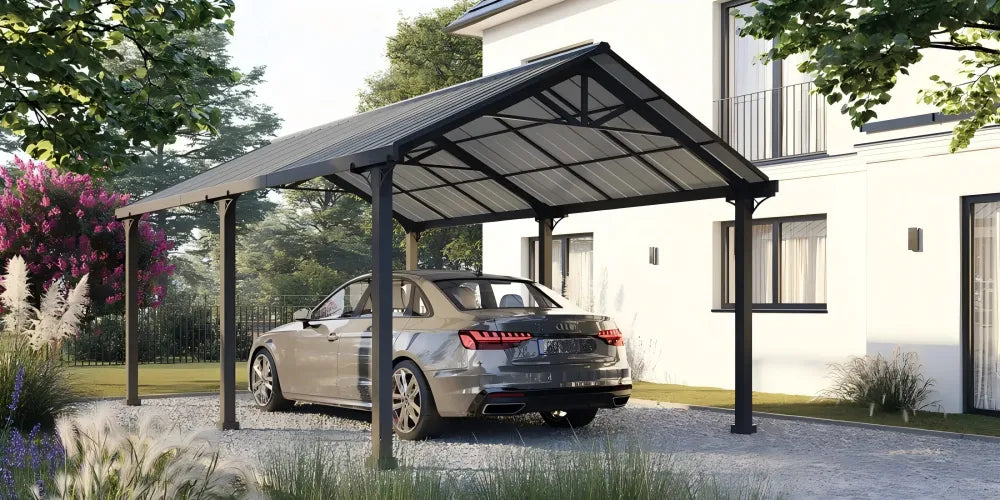
Buying a carport is not only about choosing a cover for your vehicle.
A good carport can protect cars, trucks, boats, tools, and outdoor equipment while also improving how you use your driveway or backyard space. For many homeowners, it becomes a practical extension of the home — offering shade, weather protection, and flexible covered space for everyday use.
Before choosing a carport, it is important to think about size, material, roof style, installation, weather resistance, and how the structure will fit your property.
Here are the key things to consider before buying a carport.
1. What You Need to Protect
The first question is simple:
What will the carport be used for?
Most homeowners use a carport for vehicle protection, but it can also serve other purposes.
| Use Case | What to Consider |
|---|---|
| Car or SUV parking | Width, height, and door-opening clearance |
| Truck protection | Taller entry height and wider spacing |
| Boat or trailer storage | Longer footprint and easy access |
| Outdoor equipment | Covered storage and weather protection |
| Flexible outdoor space | Shade, open sides, and usable layout |
A carport for one compact car will not require the same space as one for a truck, trailer, or multi-use storage area. Before comparing models, measure the vehicle or items you plan to cover and leave enough room for walking, loading, and opening doors.

2. Carport Size
Size is one of the most important factors in a carport buying decision.
A carport should not only cover the vehicle itself. It should also provide enough clearance around the sides and front for daily use.
When choosing size, consider:
- Vehicle width and length
- Door-opening space
- Walking clearance
- Roof overhang
- Driveway or backyard layout
- Future needs, such as a second vehicle or larger equipment
For many homeowners, going slightly larger can make the carport more useful over time. A wider carport can also support additional uses, such as covered storage, outdoor work, or shaded activity space.
3. Materials for Durability
Carports come in different materials, and each one affects the look, strength, and maintenance needs of the structure.
| Material | Best For | Key Benefit |
|---|---|---|
| Steel | Heavy-duty protection | Strength and durability |
| Aluminum | Lighter structures | Rust resistance and lower maintenance |
| Wood | Natural outdoor style | Warm appearance and backyard appeal |
| Polycarbonate panels | Light-filtering roof coverage | Bright covered space with UV protection |
| Fabric canopy | Temporary or flexible use | Easy setup and portability |
For long-term outdoor protection, many homeowners prefer steel, aluminum, or wood-framed carports because they provide stronger structure and a more finished look.
If the carport will stay outside year-round, pay close attention to frame coating, roof material, anchoring, and weather resistance.
4. Roof Style
The roof shape affects both appearance and performance.
A carport roof should help manage rain, sun, debris, and seasonal weather while matching the style of your home.
Common roof considerations include:
| Roof Feature | Why It Matters |
|---|---|
| Sloped roof | Helps rain and debris run off more easily |
| Gable roof | Offers a more house-like appearance |
| Flat-style roof | Creates a simple modern look |
| Hardtop roof | Provides stronger long-term coverage |
| Polycarbonate roof | Allows natural light while offering protection |
For areas with frequent rain or snow, roof slope and load capacity are especially important. A carport with a stronger roof design can offer better peace of mind for year-round use.
5. Weather Resistance
Weather protection is one of the biggest reasons homeowners buy a carport.
Before making a decision, look for details such as:
- Wind rating
- Snow load capacity
- Rust-resistant coating
- UV-resistant roof panels
- Drainage design
- Anchoring requirements
A carport used in a sunny, dry climate may need strong UV protection and shade performance. A carport used in rainy or snowy regions should prioritize roof strength, drainage, and stable anchoring.
The best choice depends on your local weather and how much protection you expect from the structure.
6. Installation Requirements
A carport is a large outdoor structure, so installation planning matters.
Before buying, check:
- Required installation surface
- Number of people needed for assembly
- Estimated installation time
- Anchoring method
- Tools required
- Local permit requirements
Many carports are designed for residential assembly, but they still need careful setup. A level surface and secure anchoring are important for long-term stability.
If you plan to install the carport on concrete, make sure the anchoring method matches the surface. If installing on another surface, check whether additional preparation is needed.
7. Placement and Property Layout
Where you place the carport will affect how easy it is to use.
Think about:
- Driveway access
- Distance from the home
- Walking paths
- Garage or side-yard clearance
- Neighboring structures
- Sun direction
- Drainage and water runoff
A carport should feel convenient, not awkward. The best placement allows easy vehicle access while keeping the covered space useful for daily life.
If the carport is near the house, consider how it visually connects with the home exterior. Materials, color, and roof shape can make a big difference in the overall look.
8. Beyond Vehicle Protection
A carport can do more than protect a vehicle.
Many homeowners use carports as flexible covered spaces for:
- Outdoor projects
- Bike or motorcycle storage
- Gardening supplies
- Firewood storage
- Temporary party shade
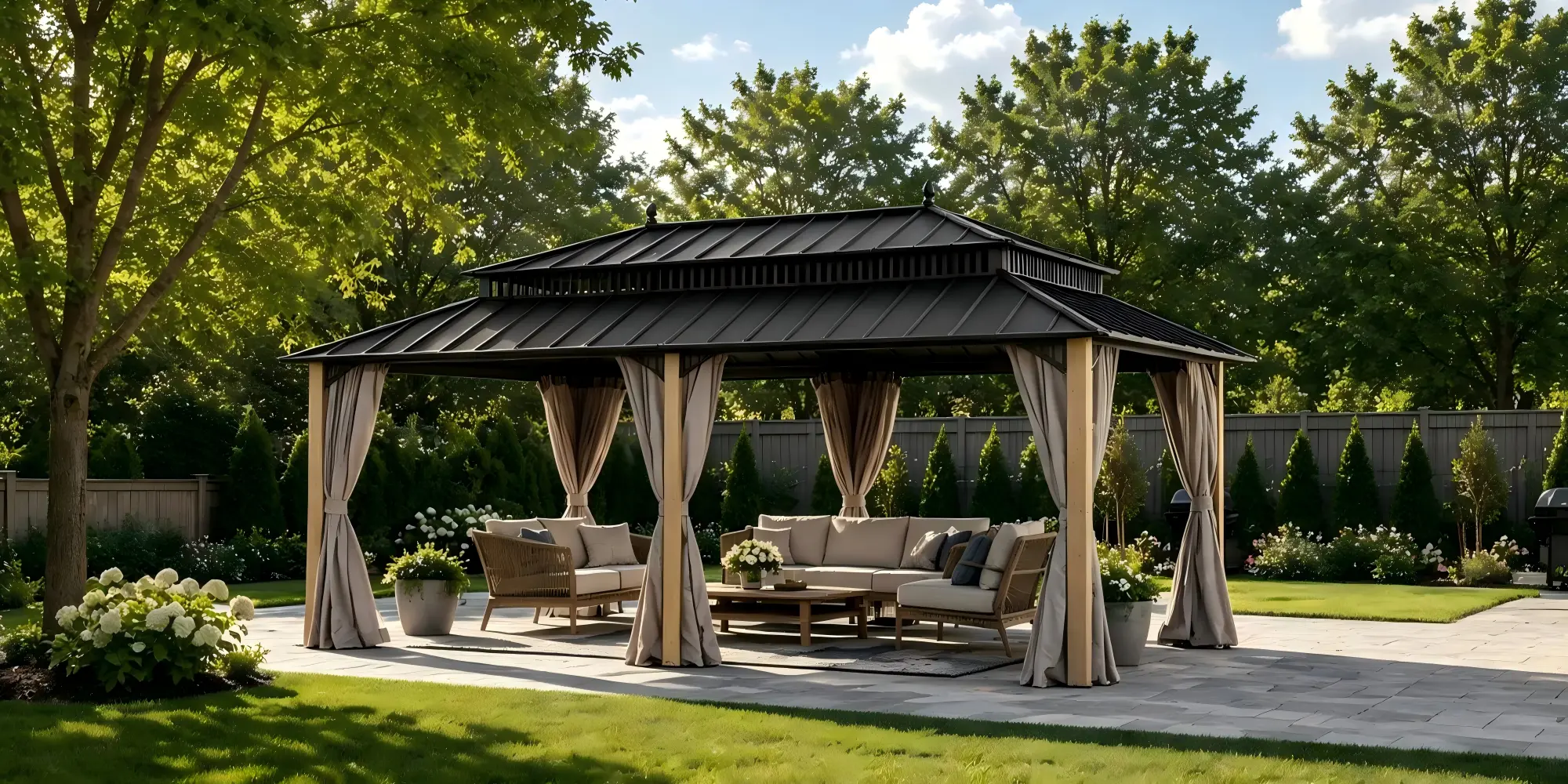
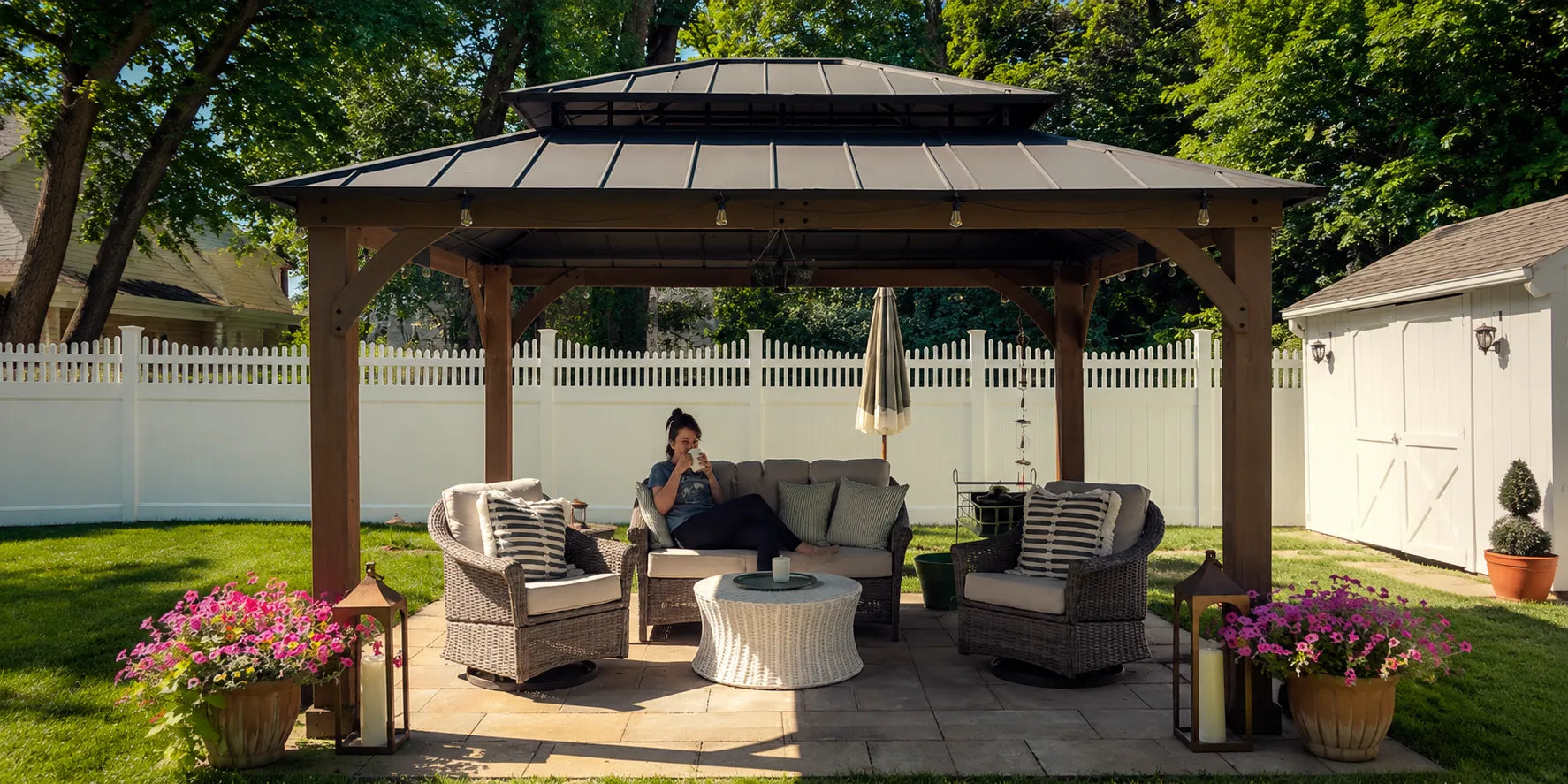
- Covered seating
- Equipment protection
If you want a structure that supports more than parking, choose a design with enough width, height, and open access.
A well-chosen carport can become one of the most useful outdoor structures on the property.
Final Thoughts
A carport is a practical investment for homeowners who want better outdoor protection and more usable covered space.
Before buying, consider what you need to protect, how much space you need, which materials fit your climate, what roof style works best, and where the structure will be installed.
The right carport should be durable, easy to use, visually suitable for your home, and flexible enough to support your everyday needs.
With thoughtful planning, a carport can become much more than a parking cover. It can be a useful outdoor structure that adds comfort, protection, and function to your home.
Leave a comment
All comments are moderated before being published.
This site is protected by hCaptcha and the hCaptcha Privacy Policy and Terms of Service apply.