

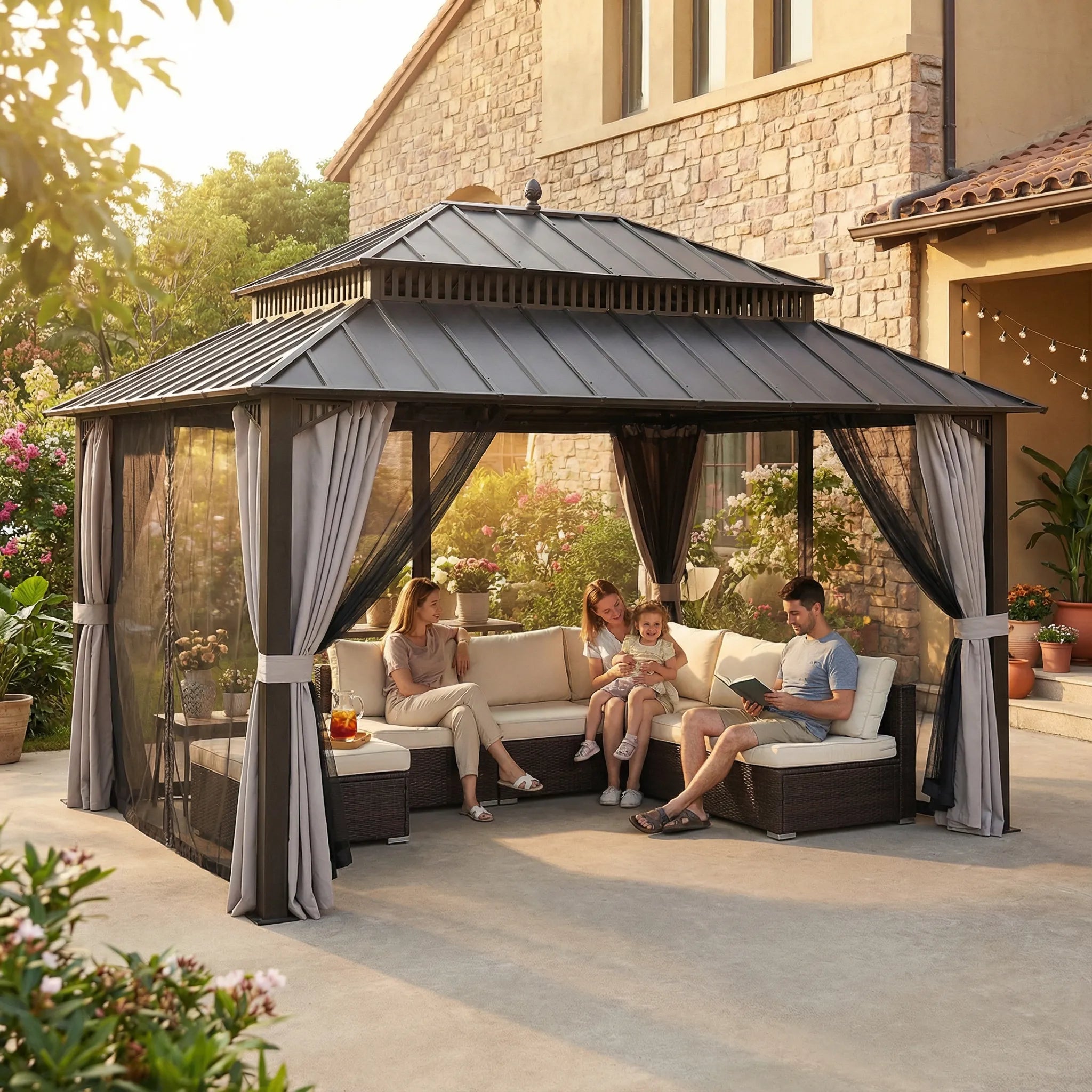
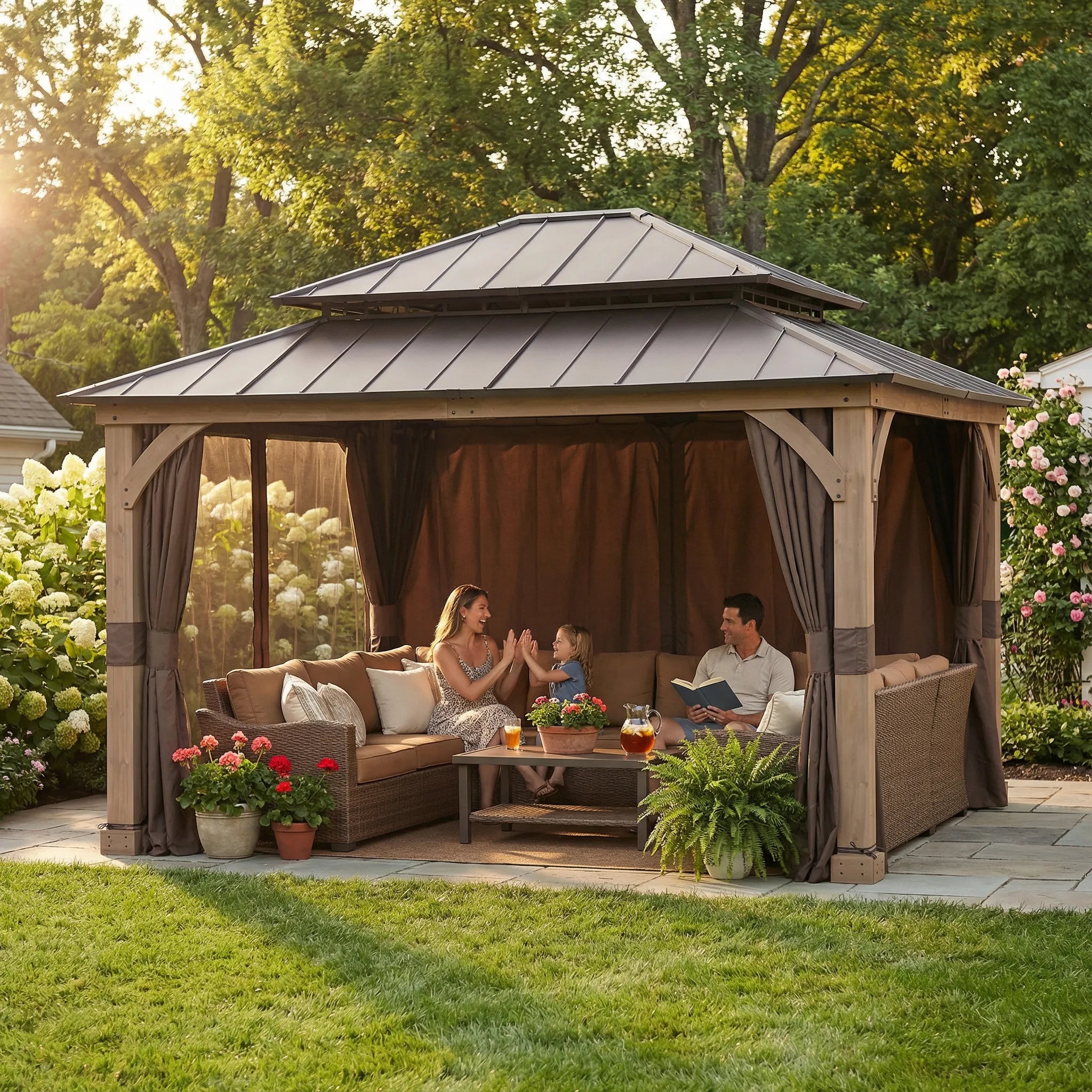
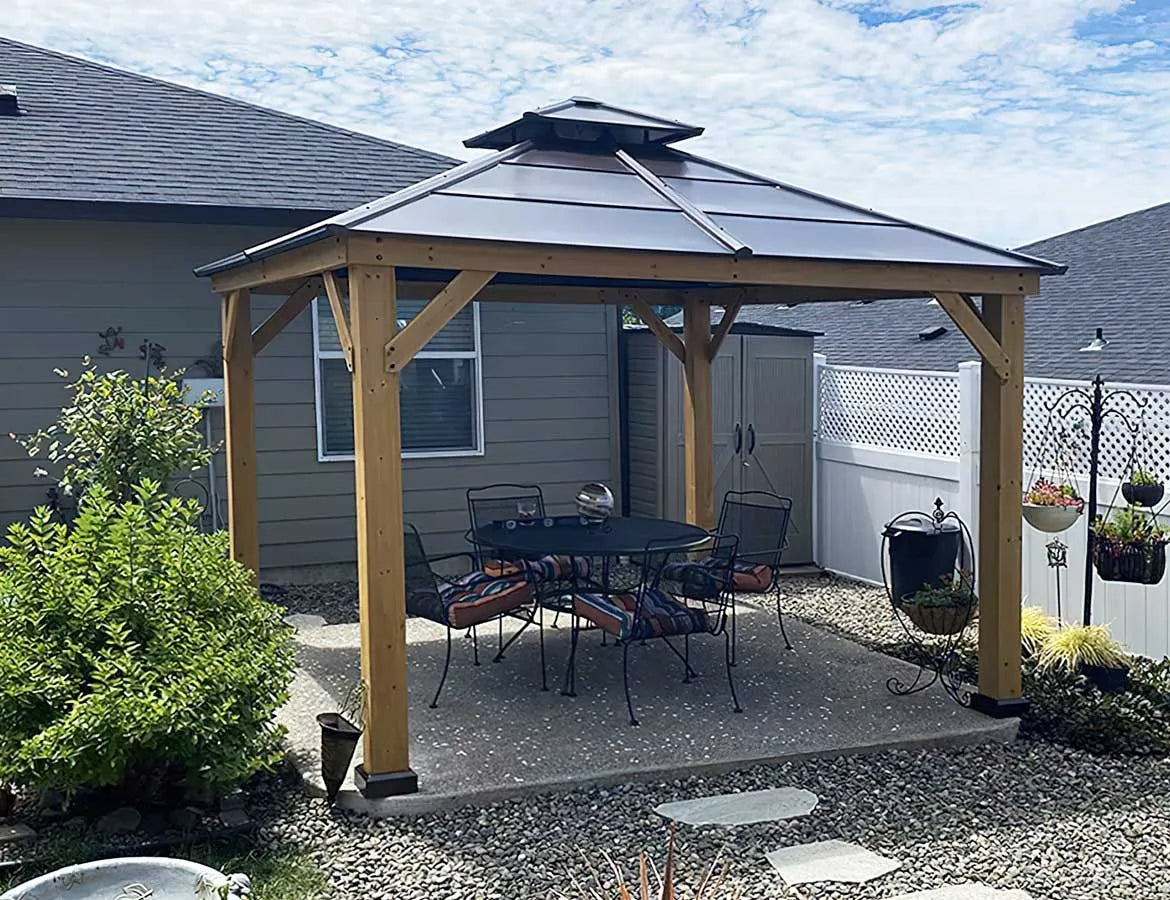
Installing a gazebo on a paver patio creates an elegant and functional outdoor living area, but proper anchoring is essential for long-term safety and durability. Many homeowners assume that the weight of the structure alone is enough to keep it stable. In reality, wind uplift, shifting ground, and repeated seasonal movement can cause instability over time if the gazebo is not properly secured.
Unlike installations on concrete slabs or wooden decks, paver surfaces introduce unique challenges. Pavers are designed to flex slightly and allow drainage, which means they cannot always support direct anchoring without additional reinforcement beneath the surface.
The good news is that a gazebo can absolutely be anchored safely on pavers — when the correct installation method is used.
This guide explains the most effective ways to secure a gazebo on pavers while protecting the patio surface and improving long-term structural performance.
Why Anchoring Matters More Than Many Homeowners Think
A gazebo acts like a sail during windy conditions. Even moderate gusts create upward and lateral force on the roof structure.
Without anchoring:
- Frames can shift gradually
- Posts may loosen over time
- Roof alignment can become uneven
- Pavers may crack or settle
- Entire structures can become unstable during storms
According to weather-related property data, improperly secured outdoor structures are one of the most common causes of backyard wind damage during seasonal storms.
Anchoring is not simply about preventing movement today — it is about preserving structural integrity for years.
Understanding the Challenge of Paver Installations
Pavers differ from poured concrete because they are individual units placed over:
- Sand
- Gravel
- Compacted aggregate base
This layered system allows drainage and flexibility, but it also means:
- Pavers alone are not load-bearing anchors
- Drilling directly into unsupported pavers can cause cracking
- Surface movement may loosen bolts over time
Because of this, professional installations focus on anchoring through the pavers into a stronger foundation below.
The 4 Most Common Gazebo Anchoring Methods for Pavers
1. Concrete Footings Beneath the Pavers (Best Long-Term Solution)
This is the most secure and professional approach.
How It Works
- Specific pavers are temporarily removed
- Concrete footings are poured beneath the patio
- Anchor bolts are embedded into the concrete
- Pavers are cut or reinstalled around the post bases
Advantages
- Maximum wind resistance
- Long-term structural stability
- Minimal visible hardware
- Suitable for large hardtop gazebos
Best For
- Permanent installations
- Heavy steel or wood gazebos
- Areas with strong seasonal weather

2. Surface-Mounted Anchors with Reinforcement Plates
This method uses steel anchor plates installed directly over reinforced pavers.
Advantages
- Faster installation
- Minimal excavation
- Good for medium-weight gazebos
Limitations
- Depends heavily on paver condition
- Less secure during severe wind events
- May require periodic tightening
This works best when the patio base is extremely well compacted.
3. Hidden Underground Anchor Systems
Some installations use buried anchors beneath the patio connected to steel cables or brackets.
Benefits
- Cleaner visual appearance
- No exposed anchor bolts
- Reduces trip hazards
Challenges
- More complicated installation
- Requires careful layout planning
This method is often chosen for premium outdoor living designs where aesthetics are especially important.
4. Weighted Anchoring Systems
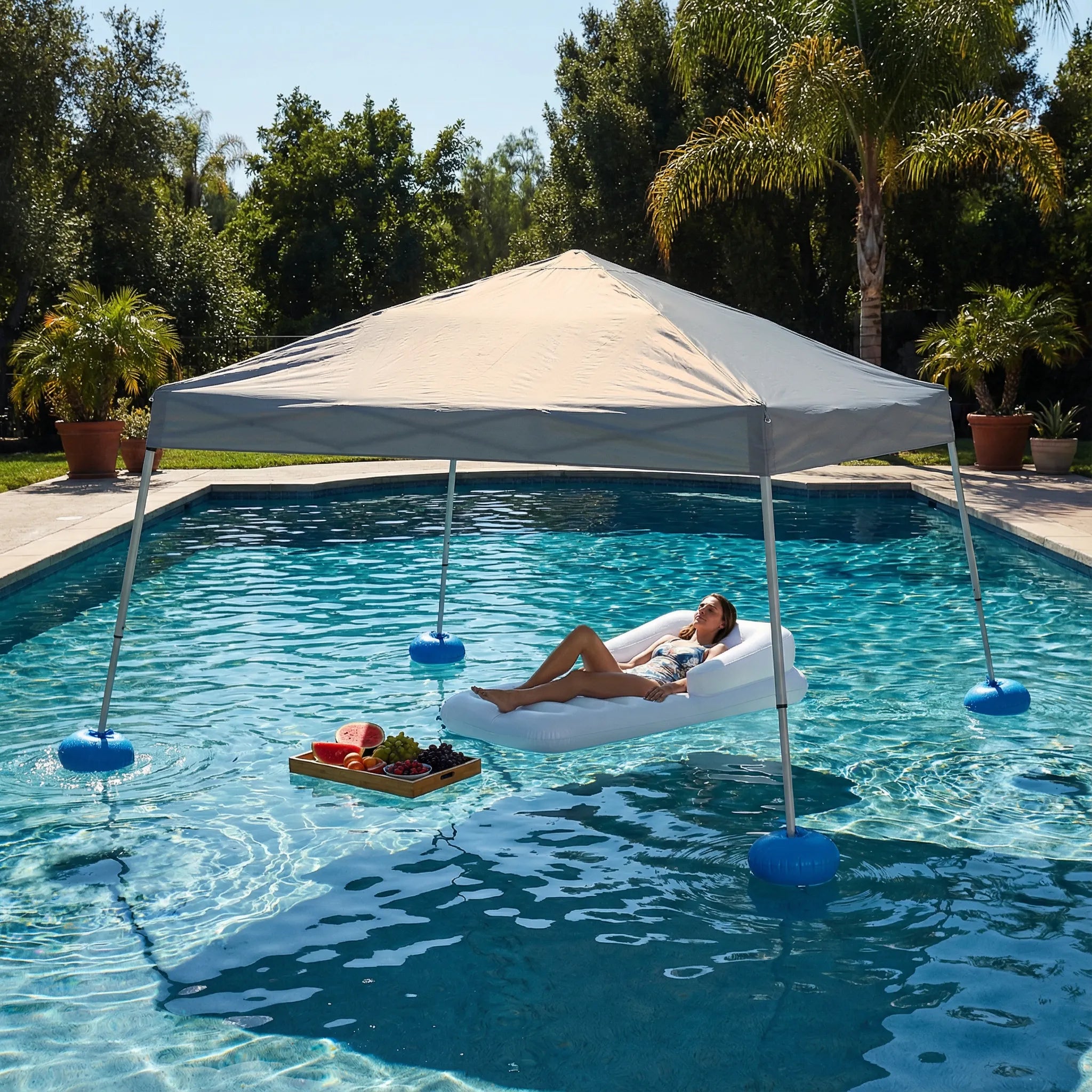
For temporary or portable gazebos, weighted systems can sometimes be sufficient.
Examples
- Concrete planters
- Sandbags
- Decorative weighted boxes
- Steel base weights
Best For
- Pop-up gazebos
- Lightweight canopy structures
- Seasonal use
However, weighted systems are not recommended for permanent hardtop gazebos in windy regions.
Comparison Table: Which Anchoring Method Is Best?
| Anchoring Method | Wind Resistance | Installation Difficulty | Best For | Long-Term Stability |
|---|---|---|---|---|
| Concrete Footings | Excellent | High | Permanent hardtop gazebos | Excellent |
| Surface Anchors | Moderate | Medium | Medium-sized structures | Good |
| Hidden Anchor Systems | High | High | Premium installations | Excellent |
| Weighted Systems | Low to Moderate | Easy | Temporary gazebos | Limited |
Step-by-Step Installation Process
Step 1: Evaluate the Paver Base
Before anchoring:
- Check for shifting or uneven pavers
- Confirm the patio base is compacted properly
- Inspect drainage around the area
A weak patio foundation will compromise any anchoring system.
Step 2: Mark the Gazebo Footprint
Assemble the gazebo frame loosely first to confirm:
- Post spacing
- Roof alignment
- Doorway clearance
- Furniture placement
Mark all anchor locations carefully before drilling or excavation.
Step 3: Determine Wind Exposure
Wind exposure changes the type of anchoring required.
High Wind Exposure Areas
Require:
- Concrete footings
- Heavier-duty anchors
- Reinforced post brackets
Protected Backyard Areas
May allow:
- Surface anchors
- Hidden systems
- Additional weighted support
Step 4: Install the Foundation System
For concrete footing installations:
- Remove selected pavers
- Dig footing holes below frost line if needed
- Pour concrete
- Set anchor bolts
- Allow curing time
- Reinstall pavers neatly around posts
Patience during this step significantly improves long-term durability.
Common Mistakes Homeowners Make
Drilling Directly Into Unsupported Pavers
This is one of the biggest installation mistakes.
Without solid support underneath:
- Pavers crack
- Bolts loosen
- Structural movement increases
Ignoring Drainage
Water pooling near anchor points weakens foundations over time.
Always ensure:
- Proper slope
- Gravel drainage beneath pavers
- No standing water near posts
Underestimating Wind Loads
Even large gazebos can move during storms if improperly secured.
Roof size dramatically increases uplift force.
How Wind Affects Gazebos on Pavers
Wind creates:
- Uplift force
- Side pressure
- Frame vibration
Hardtop Gazebos
Require stronger anchoring because:
- Roofs catch more wind
- Heavier weight increases stress at connection points
Soft Top Gazebos
Allow some airflow but still require secure bases.
The larger the roof, the greater the importance of proper anchoring.
Maintenance After Installation
Anchoring is not a one-time task.
Inspect annually for:
- Loose bolts
- Cracked pavers
- Rust on hardware
- Drainage issues
- Post movement
Regular maintenance prevents larger structural problems later.
FAQ: Anchoring Gazebos on Pavers
Can I anchor a gazebo directly to pavers?
Technically yes, but it is rarely the best long-term solution without reinforcement underneath.
Do I need concrete under pavers for a gazebo?
For permanent heavy gazebos, concrete footings are strongly recommended.
Can pavers crack from gazebo weight?
Yes, especially if:
- The base is weak
- Posts concentrate pressure
- Anchors are overtightened
What is the safest anchoring method for windy areas?
Concrete footings beneath the pavers provide the highest stability.
Can portable gazebos use weights instead of anchors?
Yes, but only for temporary lightweight structures.
Conclusion
Anchoring a gazebo on pavers requires more planning than many homeowners expect, but the results are worth it. A properly secured gazebo not only improves safety during windy weather but also protects the patio surface, reduces structural stress, and extends the lifespan of the entire outdoor setup.
Whether using concrete footings, reinforced anchor plates, hidden systems, or weighted supports, the key is matching the installation method to the size of the gazebo, the condition of the patio, and the environmental exposure.
When the foundation is secure, a gazebo becomes more than a decorative structure — it becomes a reliable outdoor living space designed for years of relaxation, entertaining, and everyday use.
Leave a comment
All comments are moderated before being published.
This site is protected by hCaptcha and the hCaptcha Privacy Policy and Terms of Service apply.