

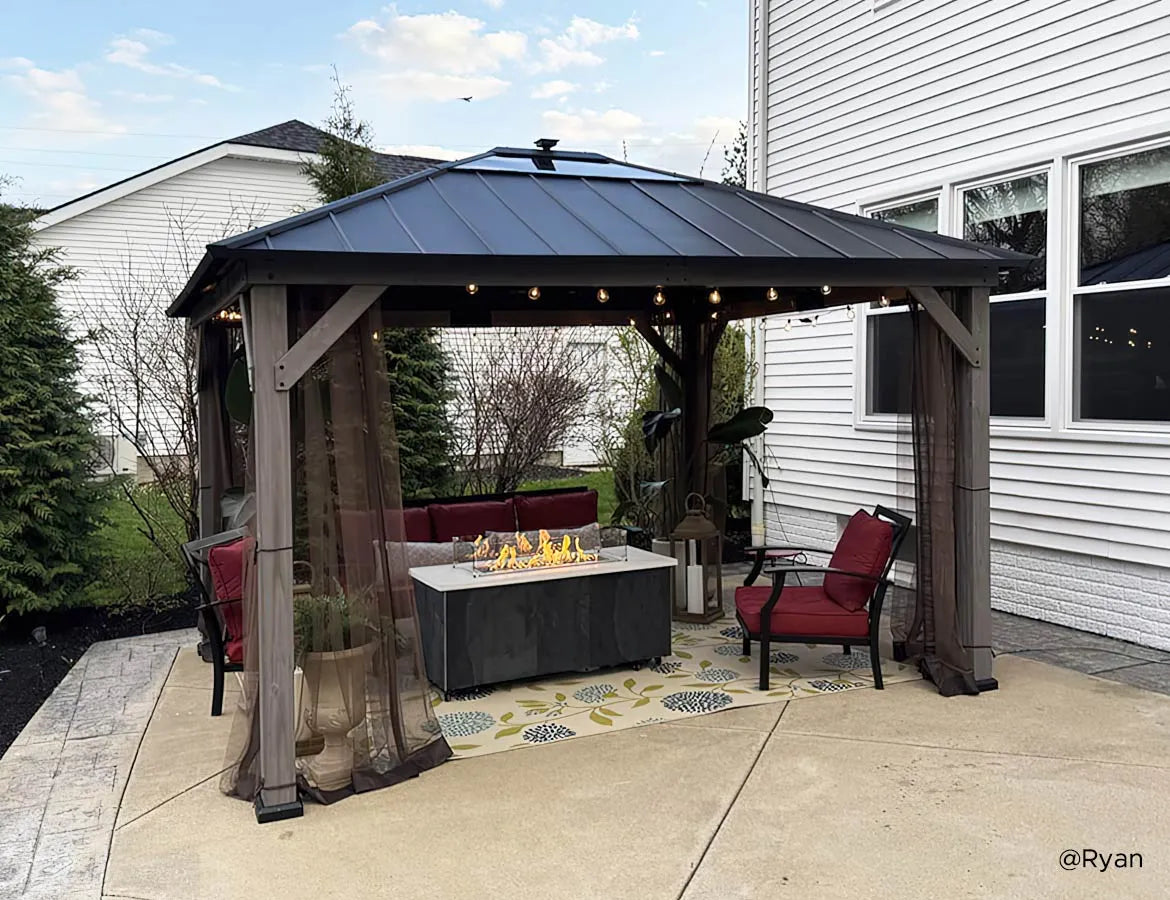
Backyards are increasingly becoming extensions of the home. Outdoor kitchens, patio furniture, and shaded gathering areas are now common features in modern outdoor design.
One of the most common questions homeowners ask when planning these spaces is:
“Should I buy a hardtop gazebo or a soft top gazebo?”
At first glance, the difference seems simple—one has a metal roof and the other has a fabric canopy. But the decision actually affects durability, maintenance, weather protection, and the long-term value of your backyard investment.
Understanding how these two gazebo types perform in real conditions can help you make the right choice.
What Is the Main Difference Between a Hardtop Gazebo and a Soft Top Gazebo?
The main difference is the roof construction and structural strength.
Hardtop Gazebo
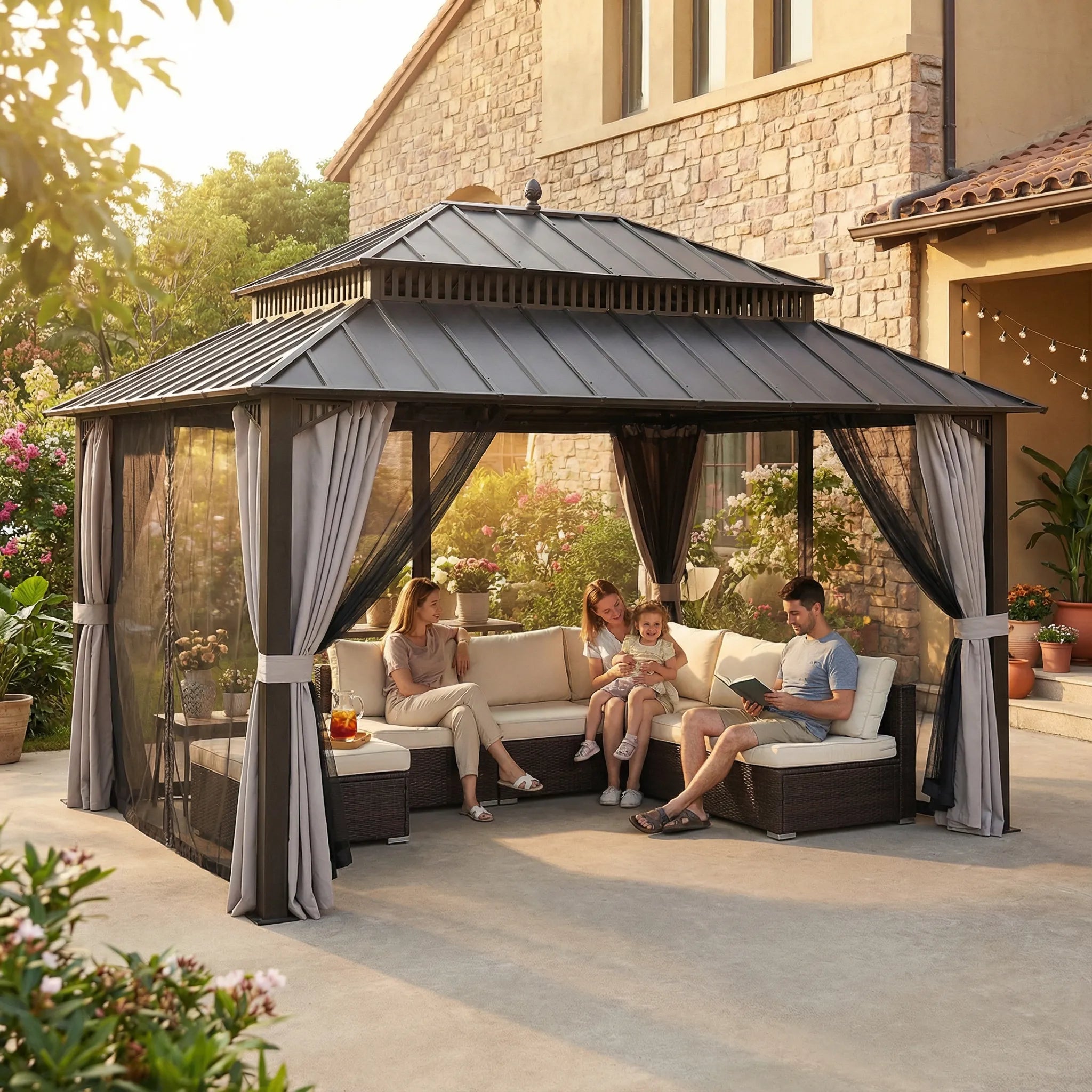
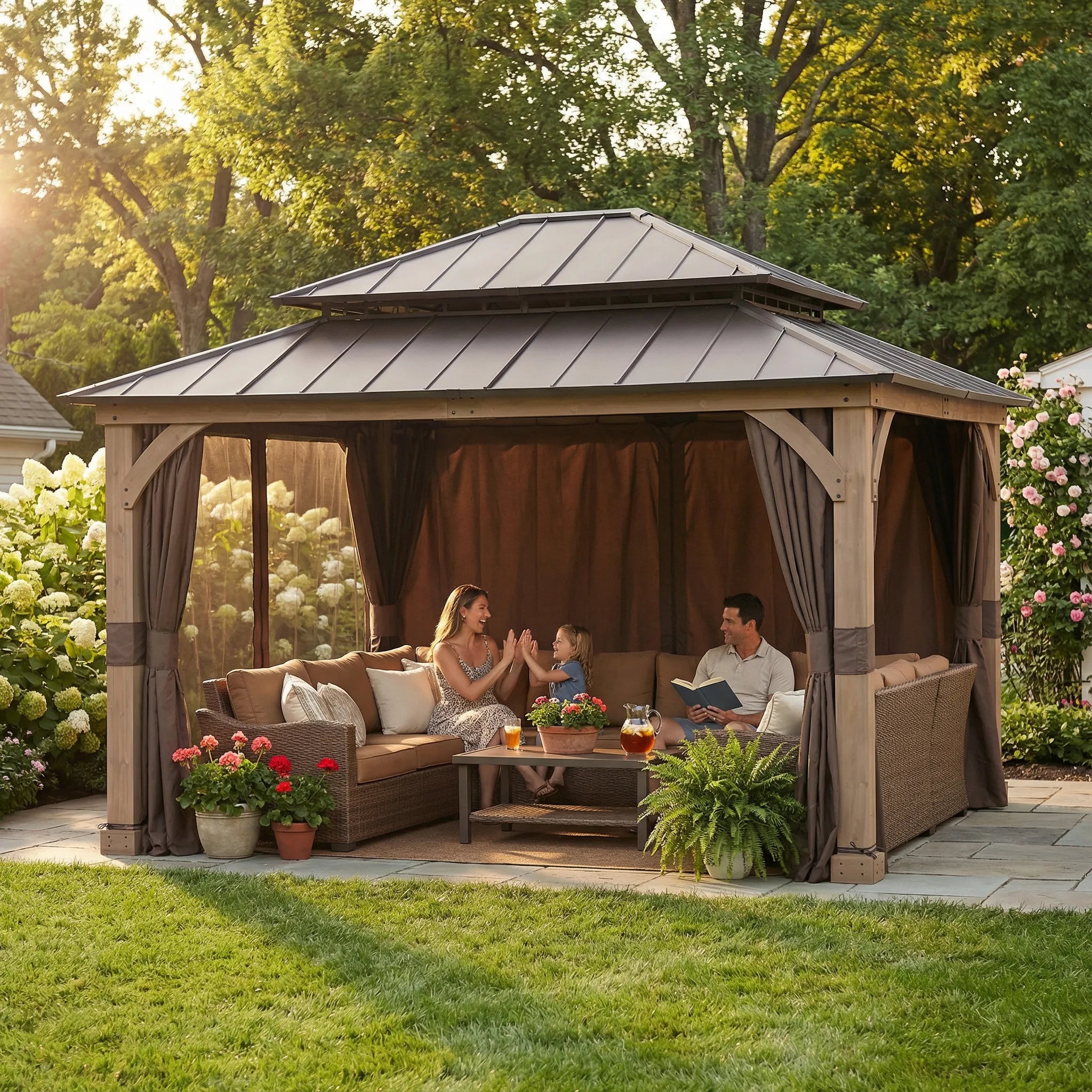
Hardtop gazebos use solid roofing materials such as steel, aluminum, or polycarbonate panels.
Key characteristics:
- permanent outdoor structure
- strong wind resistance
- better rain and sun protection
- longer lifespan
These structures are designed to function as a permanent backyard gazebo.
Soft Top Gazebo
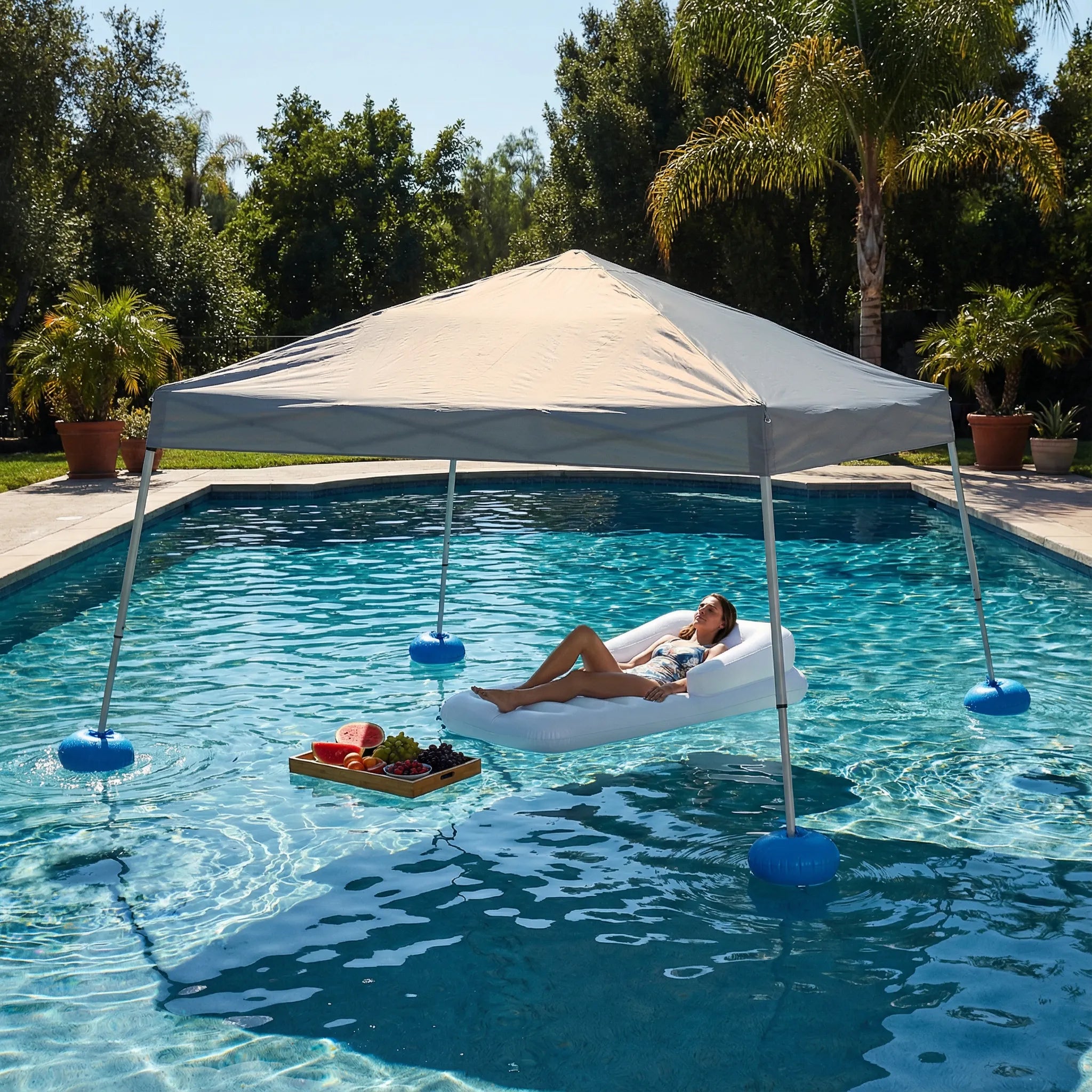
Soft top gazebos use fabric canopy roofs, usually made from polyester or weather-resistant fabric.
Key characteristics:
- lightweight structure
- easy seasonal installation
- lower upfront cost
- portable design
They are often used as temporary shade structures for summer gatherings.
How Long Does a Hardtop Gazebo Last Compared to a Soft Top Gazebo?
Durability is one of the biggest deciding factors for buyers.
Typical Gazebo Lifespan
| Gazebo Type | Average Lifespan |
|---|---|
| Hardtop gazebo | 10–15+ years |
| Soft top gazebo | 2–5 years |
Fabric roofs degrade faster because they are exposed to:
- UV radiation
- rain accumulation
- strong wind
- mold or mildew growth
Hardtop roofs, especially steel or aluminum panels, are designed to resist these environmental factors.
For homeowners planning a permanent outdoor living area, this durability difference becomes very important.
Which Gazebo Handles Weather Better?
Weather resistance is where hardtop gazebos clearly outperform soft canopy models.
Wind Resistance
Typical performance comparison:
| Gazebo Type | Typical Wind Resistance |
|---|---|
| Soft canopy gazebo | 20–30 mph |
| Hardtop gazebo | 40–50 mph or higher |
Metal roof structures distribute wind pressure across the frame, making them more stable.
Snow Load Performance
Fabric canopy gazebos are usually not designed for snow accumulation.
Hardtop gazebos with reinforced frames can support significant snow loads, depending on the roof design.
This makes them much safer for year-round outdoor installation.
Which Gazebo Requires Less Maintenance?
Maintenance is another major difference between the two types.
Soft Top Gazebo Maintenance
Soft canopy roofs typically require:
- seasonal removal
- frequent cleaning
- periodic replacement
Many homeowners replace fabric roofs every 2–3 years.
Hardtop Gazebo Maintenance
Hardtop gazebos require minimal upkeep:
- occasional cleaning
- checking bolts or connections
- replacing curtains or netting if needed
Because the roof is permanent, there is no need to remove or store it seasonally.
Real User Scenario: Why Many Homeowners Upgrade
Outdoor living forums often share a similar story.
A homeowner buys a soft top gazebo for summer shade. After a few seasons, the canopy begins to fade and weaken from sun exposure. A strong storm damages the fabric roof.
Instead of repeatedly replacing the canopy, they upgrade to a metal roof gazebo with netting and curtains, turning the structure into a permanent outdoor gathering space.
This transition from temporary shade to long-term outdoor living area explains the growing popularity of hardtop gazebos.
Hardtop vs Soft Top Gazebo Comparison
| Feature | Hardtop Gazebo | Soft Top Gazebo |
|---|---|---|
| Durability | High | Moderate |
| Lifespan | 10–15+ years | 2–5 years |
| Weather resistance | Excellent | Limited |
| Maintenance | Low | Moderate |
| Portability | Low | High |
| Cost | Higher | Lower |
SUNJOY Gazebo Style Comparison
Different gazebo designs are built for different outdoor needs.
| SUNJOY Gazebo Type | Roof Material | Key Advantage | Best For |
|---|---|---|---|
| Hardtop Gazebo | Galvanized steel | Maximum durability | Permanent backyard spaces |
| Polycarbonate Gazebo | PC panels | Natural light with protection | Modern patios |
| Soft Top Gazebo | Fabric canopy | Lightweight shade | Seasonal gatherings |
Many SUNJOY models also include:
- mosquito netting
- privacy curtains
- ceiling hooks for lighting
- reinforced aluminum frames
These features help turn a gazebo into a comfortable outdoor living area for entertaining and relaxation.
Frequently Asked Questions
Is a hardtop gazebo worth the money?
Yes. Hardtop gazebos cost more initially but typically last much longer and require less maintenance, making them a better long-term investment.
Are soft top gazebos waterproof?
Most soft canopy gazebos are water-resistant rather than fully waterproof. Heavy rain may eventually cause leakage.
Do hardtop gazebos get hot in summer?
Many designs include ventilated double roofs, which improve airflow and reduce heat buildup inside the structure.
Can you leave a gazebo outside all year?
Hardtop gazebos are designed for year-round installation. Soft canopy gazebos are typically recommended for seasonal use.
Final Verdict: Hardtop vs Soft Top Gazebo
If you want a temporary shade structure for occasional outdoor events, a soft top gazebo can be a practical and affordable option.
However, if you want a durable backyard structure that provides long-term protection from sun, rain, and wind, a hardtop gazebo is usually the better choice.
For homeowners looking to transform their backyard into a true outdoor living space, investing in a high-quality hardtop gazebo offers greater stability, longevity, and overall value.

2 comments
Raymond Wilhelm
who sells replacement canopies for gazebos
Celeste Graziano
I need to replace some of my steel roof sections can I order replacements or is the whole gazebo trash?
Leave a comment
All comments are moderated before being published.
This site is protected by hCaptcha and the hCaptcha Privacy Policy and Terms of Service apply.