

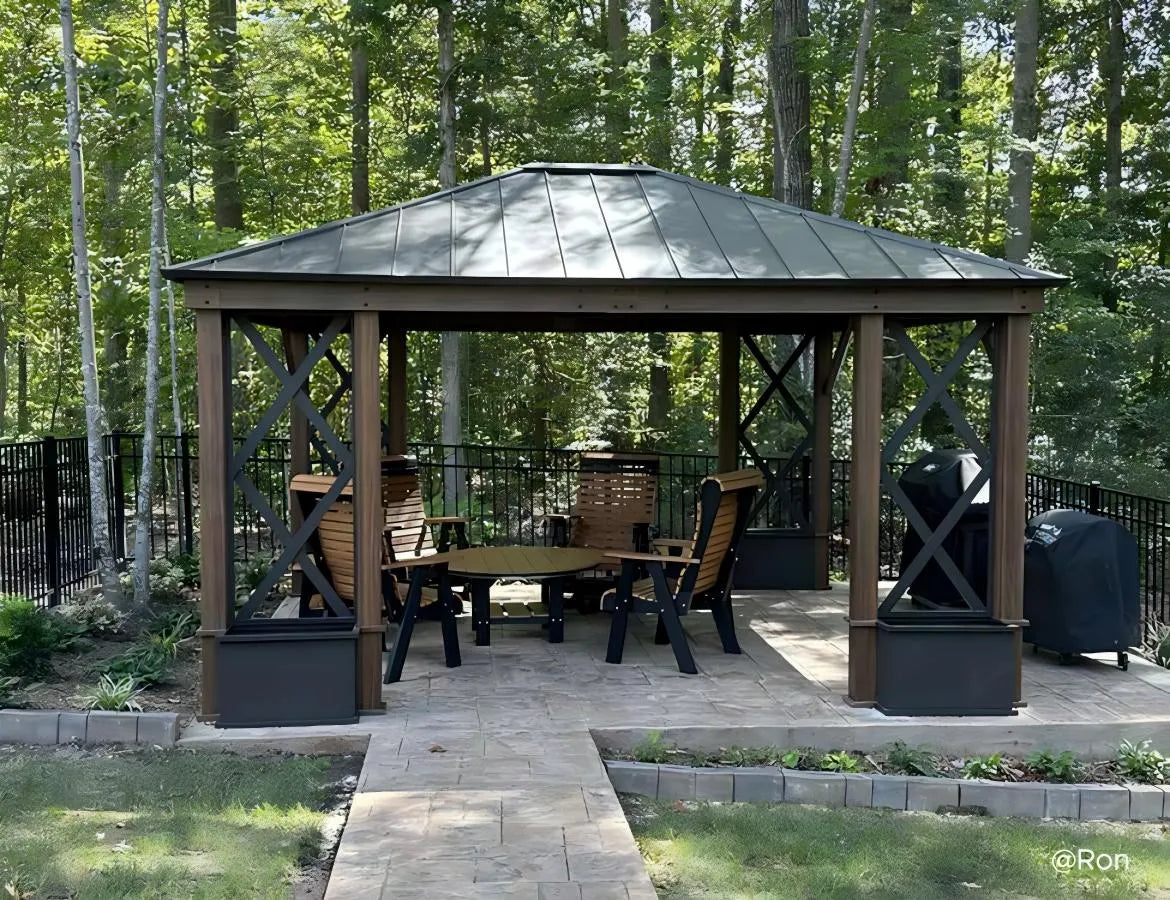
July is when backyard living reaches its highest point.
Morning coffee outside, afternoon pool time, weekend BBQs, and evening gatherings are all part of summer life. But as temperatures rise, many homeowners face the same problem:
The backyard looks beautiful, but nobody wants to stay there during the hottest part of the day.
The solution is not simply adding more furniture or decoration.
A comfortable summer backyard starts with understanding how heat moves through your outdoor space.
Why Some Backyards Feel Hotter Than Others
Two patios can have completely different comfort levels, even on the same summer day.
The difference often comes from three factors:
| Heat Factor | How It Affects Your Backyard |
|---|---|
| Surface materials | Concrete, stone, and dark decking absorb and release heat |
| Sun exposure | Open areas receive direct sunlight for longer periods |
| Air movement | Limited airflow makes warm areas feel even hotter |
A successful cooling strategy focuses on reducing heat buildup before trying to escape it.
1. Reduce Heat Before It Reaches Your Living Area
The first step is controlling where heat enters your backyard.
Simple changes can make a noticeable difference:
Choose lighter outdoor materials
Light-colored furniture, cushions, rugs, and decorative elements reflect more sunlight and help create a visually cooler environment.
Create protected activity areas
Instead of spreading furniture across the entire patio, place your main seating and dining areas where they receive less direct heat.
Use structures as temperature buffers
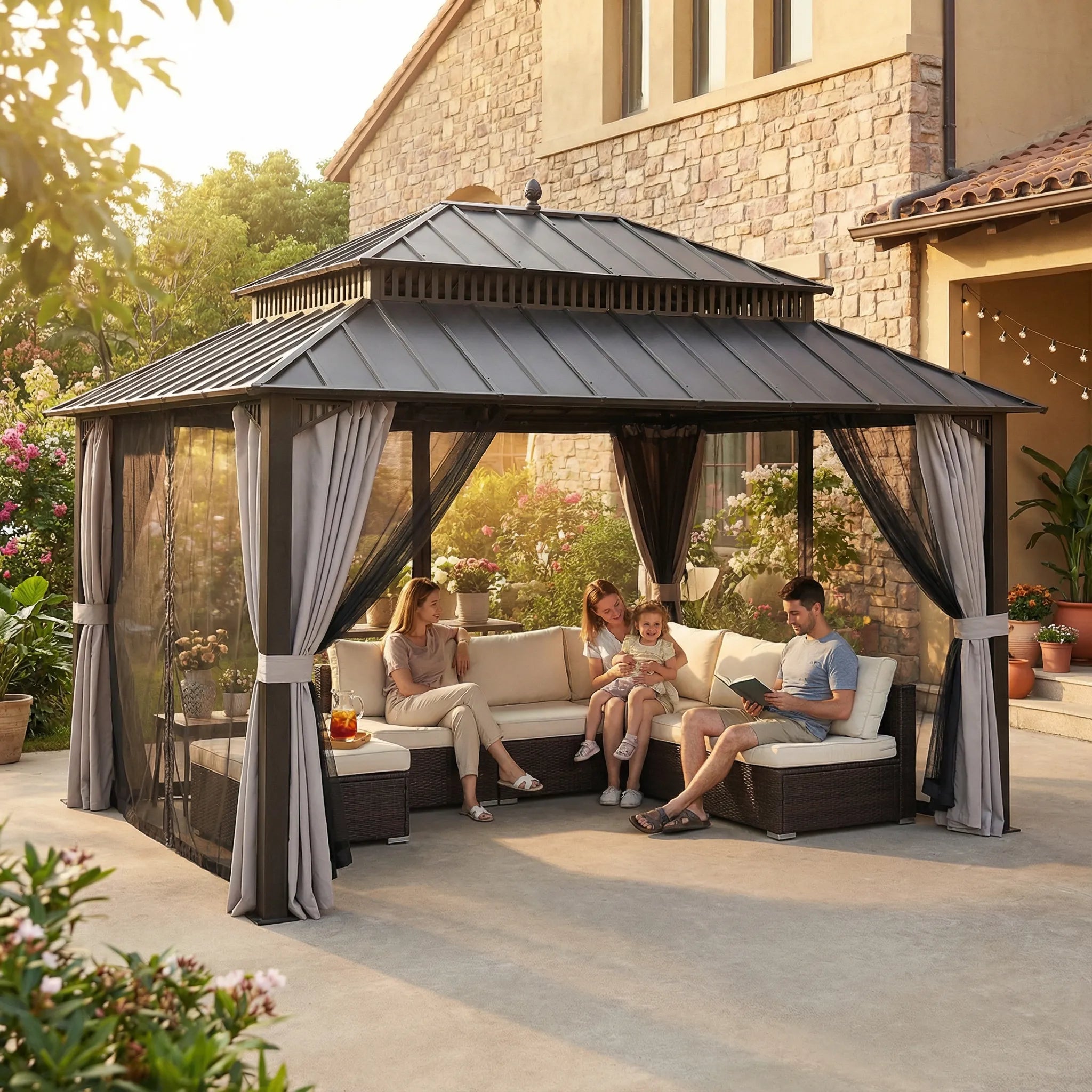
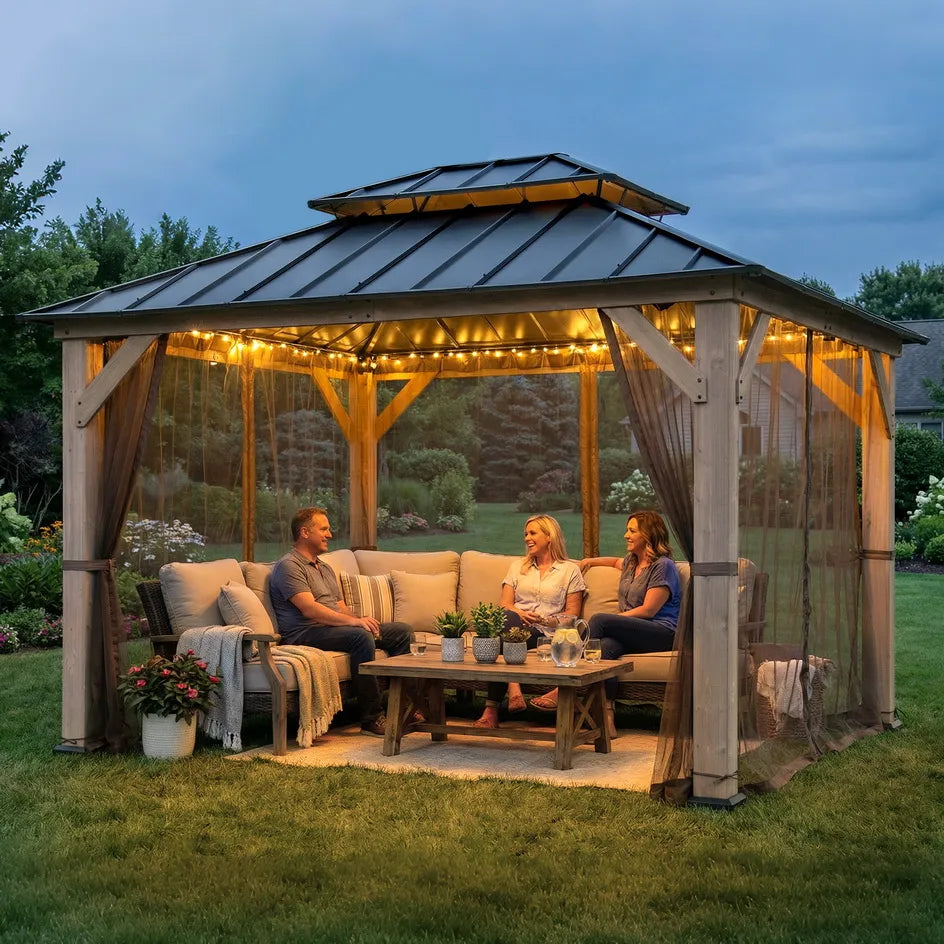
A gazebo or pergola can create a transition zone between the hot open yard and your comfortable outdoor living area.
2. Create Different Comfort Zones Throughout the Day
A backyard does not need to feel the same everywhere.
The best summer spaces have different zones for different moments.
| Time of Day | Ideal Backyard Use |
|---|---|
| Morning | Open seating area for coffee and breakfast |
| Midday | Covered dining or shaded relaxation zone |
| Late Afternoon | Poolside lounge or pergola area |
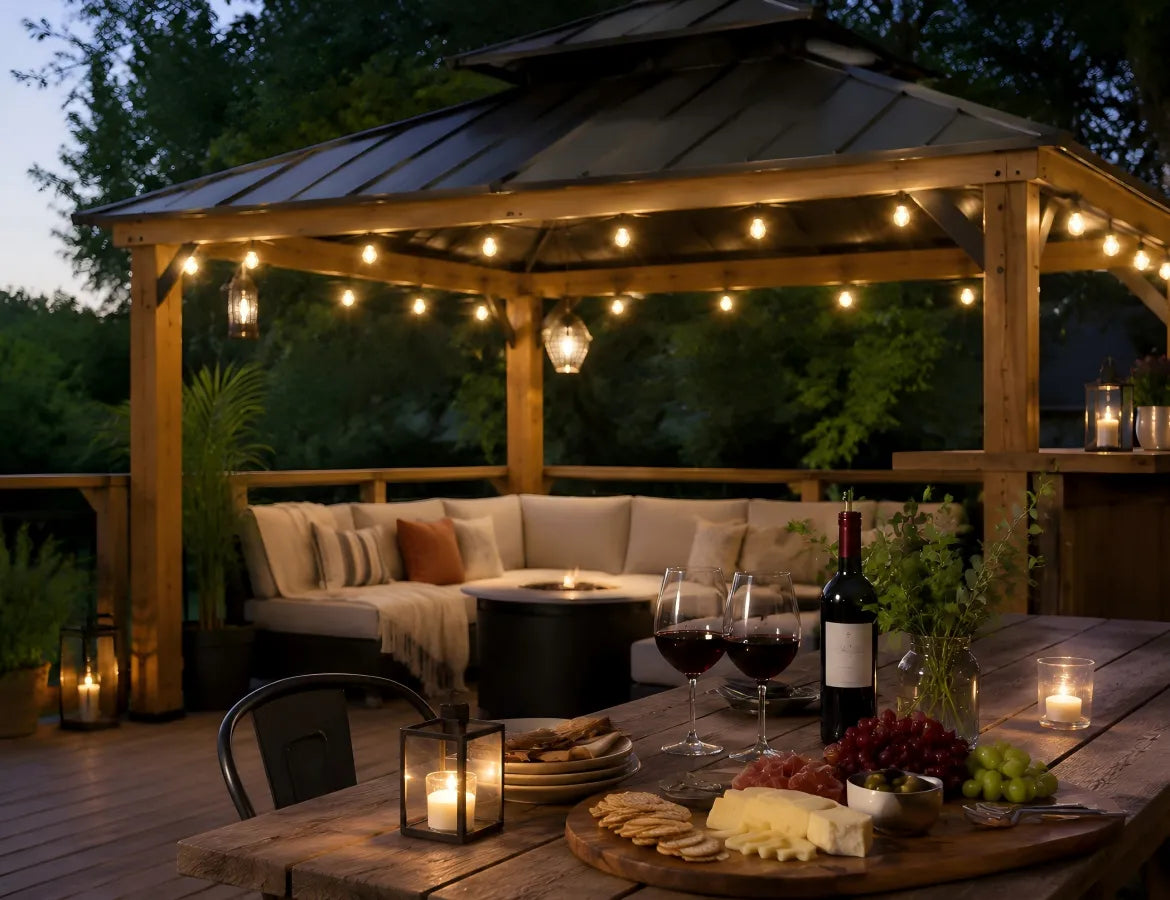
| Evening | Outdoor dining, fire pit, and entertaining space |
Instead of fighting the heat, design your backyard around how the sun changes.
3. Improve Air Movement Naturally
Heat feels stronger when air becomes trapped.
Open-air structures are useful because they provide protection while maintaining ventilation.
A pergola creates filtered shade without enclosing the space.
A gazebo creates a more defined outdoor room while allowing airflow through open sides.
For even better comfort:
- Keep furniture away from walls that store heat
- Avoid blocking natural wind paths
- Leave space between seating areas
- Use fans in frequently used areas
The goal is not only cooler shade, but better air circulation.
4. Add Greenery for a More Comfortable Space
Plants do more than decorate.
Greenery helps soften hard surfaces and creates a more relaxing outdoor atmosphere.
Simple ideas include:
- Large planters around seating areas
- Climbing plants on pergola structures
- Trees or tall plants near patios
- Green borders around outdoor rooms
Combining natural elements with structures creates a backyard that feels cooler and more connected to nature.
5. Refresh Your Backyard With Cooling Details
Small details can change how a backyard feels.
Consider adding:
| Cooling Detail | Benefit |
|---|---|
| Outdoor rugs | Creates a more comfortable walking surface |
| Light fabrics | Makes seating feel cooler and brighter |
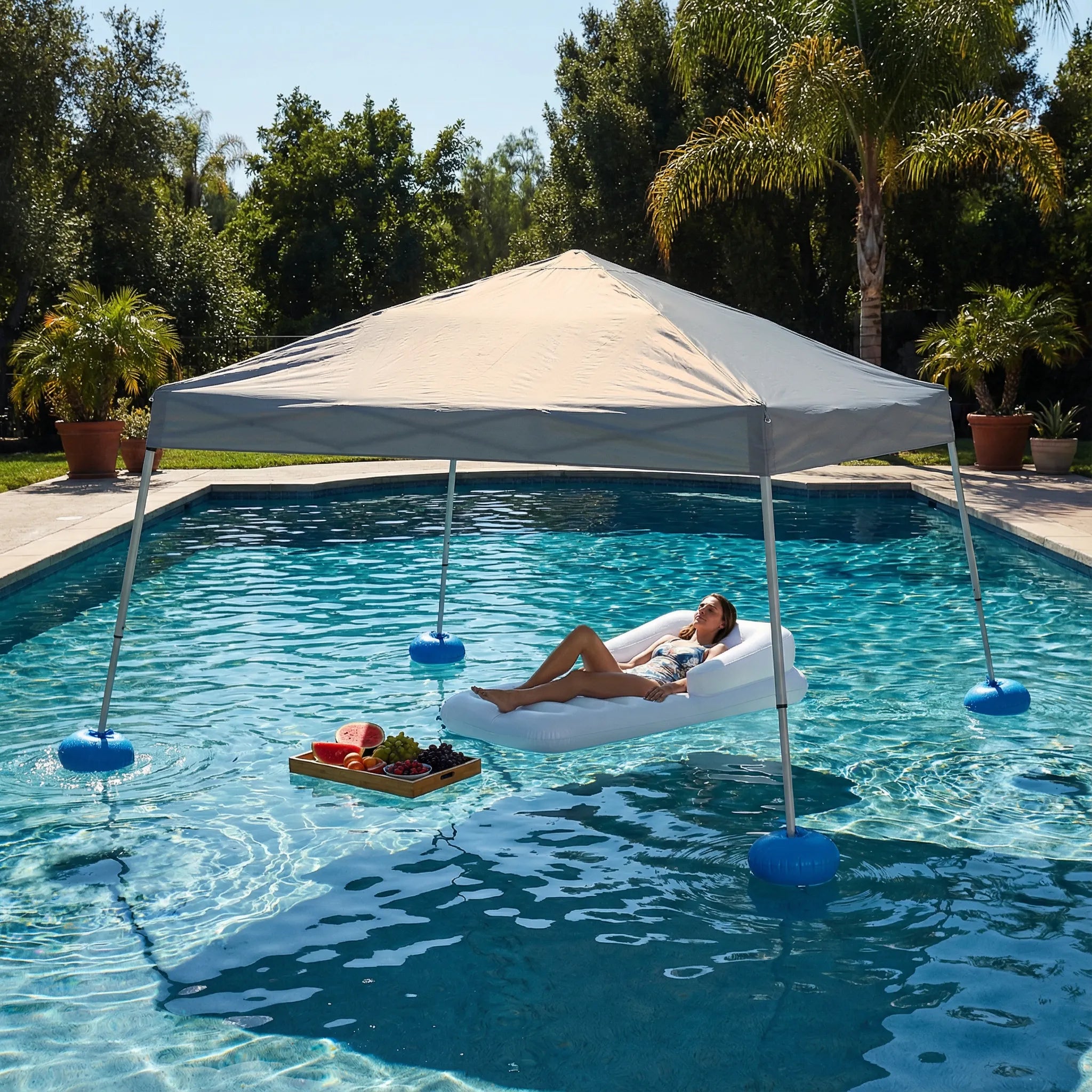
| Water elements | Adds a refreshing visual effect |
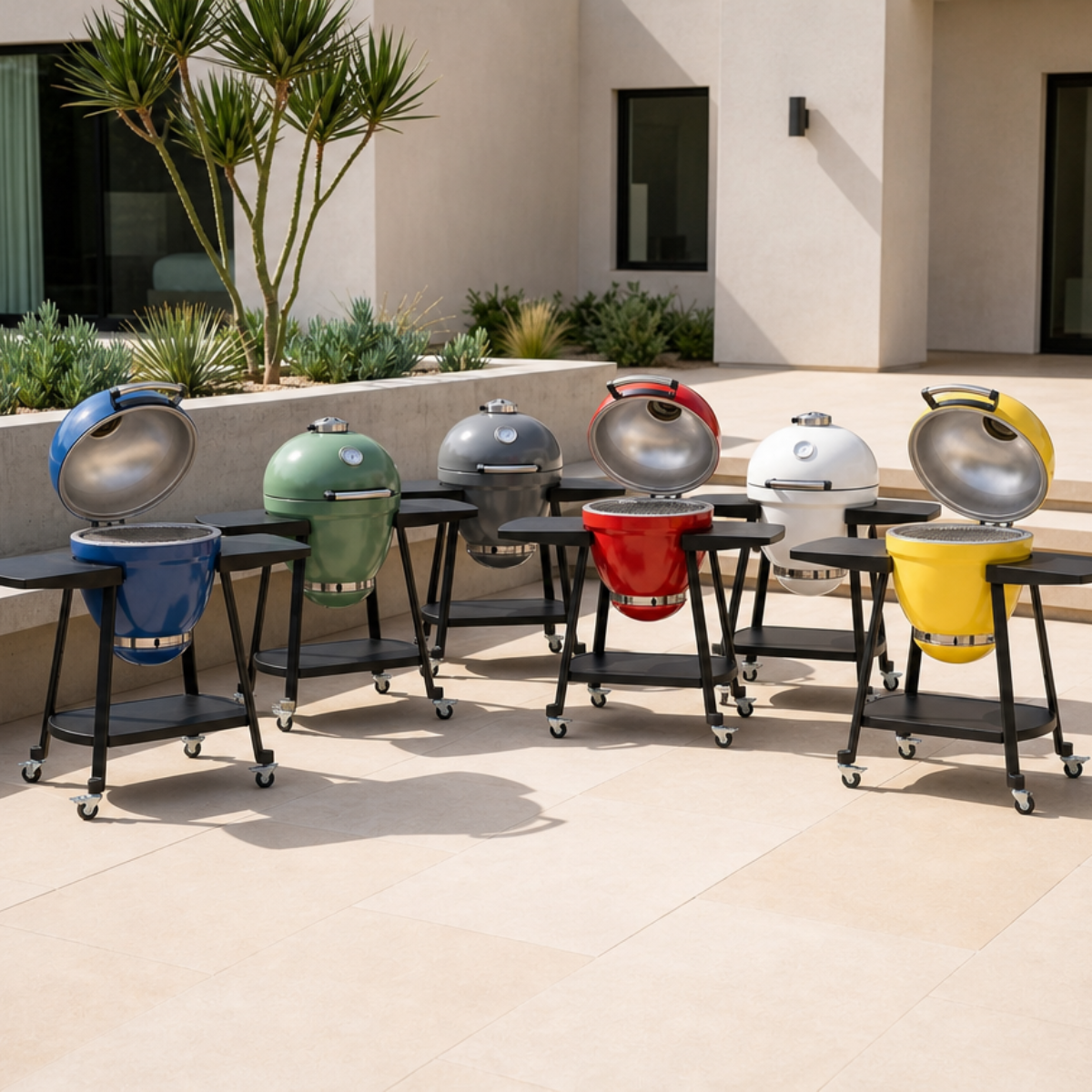
| Cooler station | Keeps drinks accessible outdoors |
A comfortable backyard is created through layers, not one single upgrade.
6. Add Portable Cooling for the Hot Days
Even with shade and smart backyard design, some summer days are simply too hot to stay comfortable outdoors.
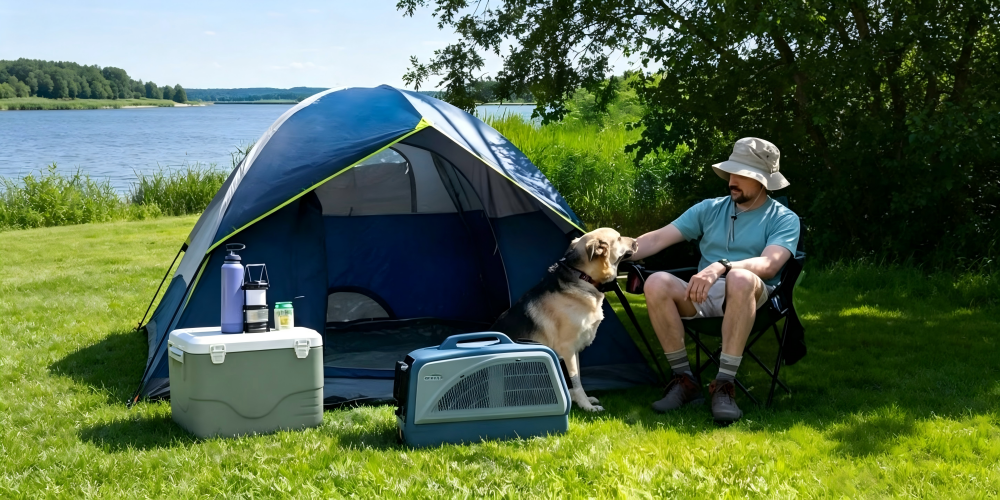
For extreme heat, portable cooling can provide an extra layer of comfort, especially in covered outdoor areas, patios, garages, or semi-enclosed spaces.
A portable air conditioner offers a flexible cooling solution that can be moved wherever extra comfort is needed.
It is ideal for:
- Covered patios during afternoon heat
- Outdoor workspaces
- Garage or workshop areas
- Backyard gatherings on hot summer days
Unlike fixed cooling systems, a portable air conditioner allows homeowners to adjust their setup based on how they use their space.
Combined with shade structures, proper airflow, and thoughtful outdoor layouts, portable cooling helps create a backyard that stays comfortable even during the hottest days of July.
SUNJOY Perspective: Designing for Real Summer Living
At SUNJOY, outdoor structures are designed around how people actually use their backyard.
A pergola can create an open-air retreat for daytime relaxation.
A gazebo can define a comfortable gathering area.
A cooler can enjoy instant ice drinks during summer gatherings.
A portable air conditioner can provide you with rapid cooling anywhere.
Final Thoughts
A cooler backyard is not created by avoiding summer heat.
It is created by designing smarter.
By reducing heat buildup, improving airflow, creating flexible zones, and choosing the right outdoor structures, homeowners can make their backyard comfortable even during the hottest days of July.
Summer should be the season when you use your backyard the most — not the season when you avoid it.
1 comment
Schiebold Bob
Inquiring about a 12’ ’ x 16’ free standing gazebo
Leave a comment
All comments are moderated before being published.
This site is protected by hCaptcha and the hCaptcha Privacy Policy and Terms of Service apply.