

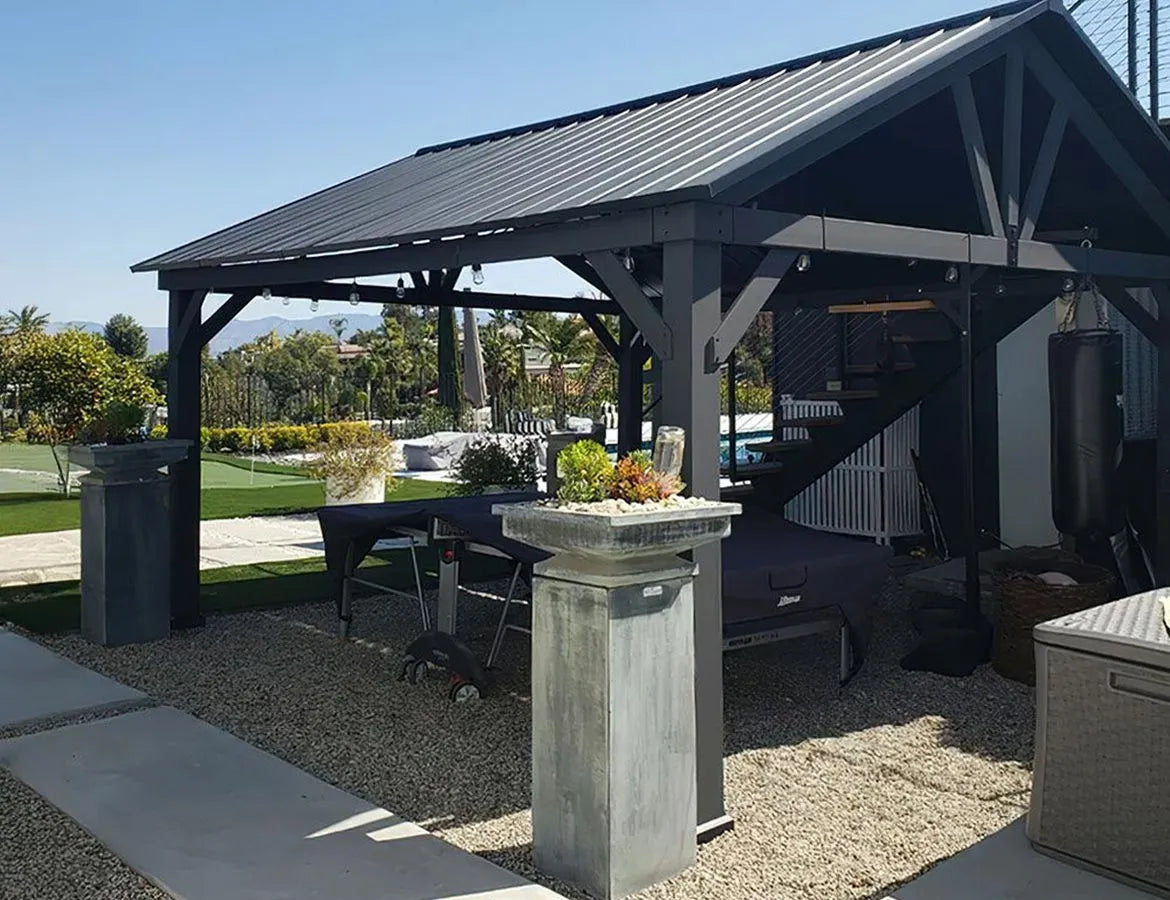
Outdoor coverage has become an essential part of modern home design. Homeowners want to protect their vehicles, reduce sun exposure, extend the lifespan of outdoor equipment, and create comfortable outdoor environments that endure seasonal changes. Two popular solutions—carports and shade sails—often stand out as viable options. Both offer benefits, but they differ drastically in structural strength, weather durability, and long-term performance.
This guide dives deeply into the functional differences between carports and shade sails, examining how each performs under sun, rain, wind, and snow. It also reviews installation, maintenance, longevity, cost efficiency, and overall suitability for US homeowners seeking reliable weather protection.
⭐ 1. What Homeowners Want From Outdoor Coverage
Before comparing structures, it’s important to understand the goals behind choosing outdoor coverage. Most homeowners seek:
Protection from sun, heat, UV rays
Shelter from rain, storms, and wind
Winter defense against snow and ice
Coverage that reduces vehicle wear and tear
A structure that complements home aesthetics
A solution that lasts years—not just seasons
At first glance, both carports and shade sails seem capable of providing shade, but true weather protection involves far more than blocking sunlight. This is where the functional difference between the two structures becomes clear.
⭐ 2. Structural Design: The Core Separation Between Carports and Shade Sails
The biggest performance difference begins with engineering.
Carports: Built as Permanent Outdoor Structures
A carport uses a rigid frame—typically steel, aluminum, or wood—combined with a durable roof made from metal or polycarbonate panels. The structure behaves similarly to an open-walled garage, offering dependable, engineered load-bearing performance.
Why this matters
A carport is designed to withstand force, not simply provide shade. Its posts resist wind uplift, its roof distributes weight (like snow accumulation), and its materials are chosen for all-season exposure. This makes it fundamentally more robust and weather-resilient than fabric-based systems.
Carports also integrate additional functionality such as gutters, ceiling hooks, lighting options, and even privacy walls—features impossible to achieve with a shade sail.
Shade Sails: Designed for Flexibility and Cooling, Not Weather Defense
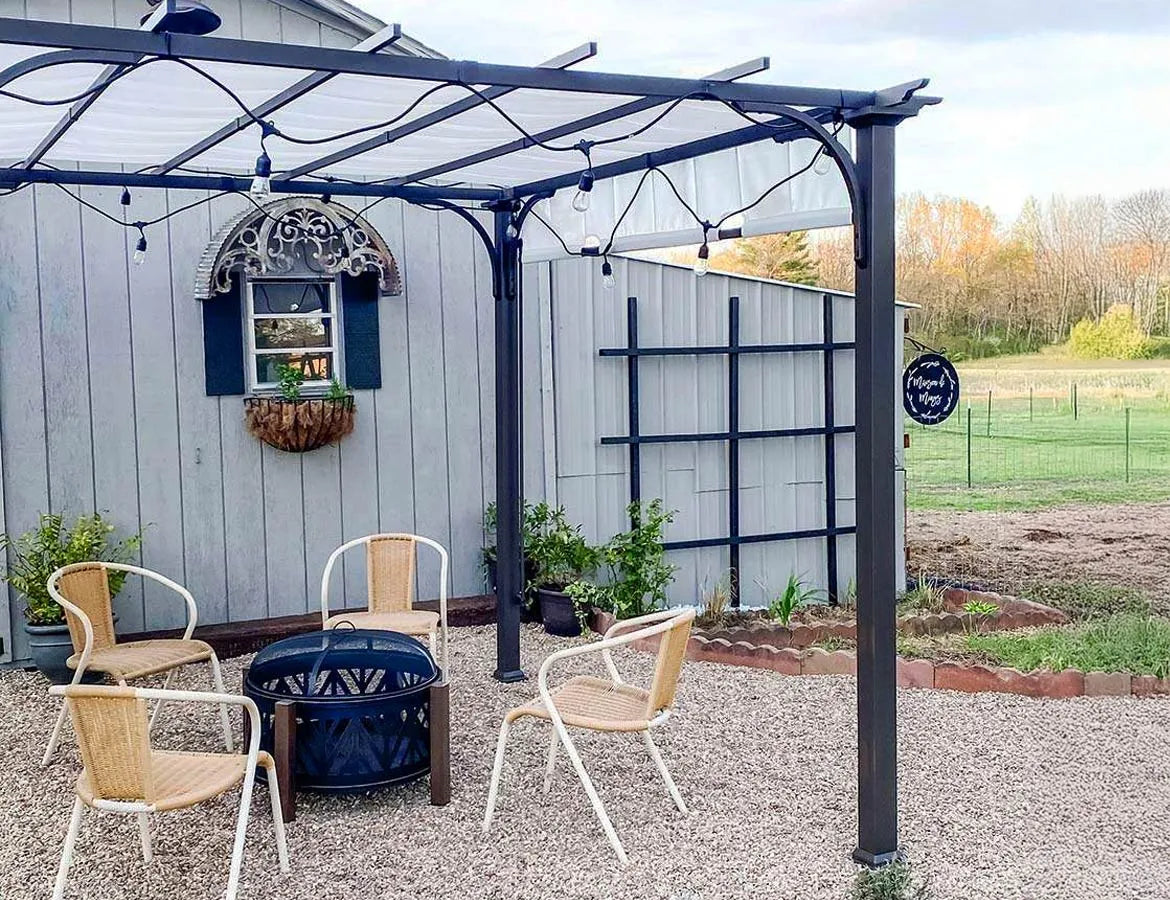
Shade sails consist of tensioned fabric stretched between anchor points. They are excellent at creating shade and reducing heat but do not function as a shelter.
Key limitations
While they look sleek and modern, shade sails do not provide structural strength. Their fabric can sag, tear, or detach under pressure. Anchors rely heavily on consistent tension, which must be adjusted as the fabric stretches.
They are stylish outdoor accessories, not structural cover.
⭐ 3. Weather Protection Comparison (With Full Performance Table)
This is the section homeowners care about most—how each solution handles real weather. Below is a detailed, multi-factor comparison.
📊 Carport vs Shade Sail — Weather Protection & Performance Table
| Category | Carport | Shade Sail |
|---|---|---|
| Sun / UV Protection | Full UV blockage; vehicle fully shaded regardless of sun angle | Excellent shade but partial sun penetration depending on fabric |
| Heat Reduction | Strong heat reduction due to solid roof | Good for cooling but heat can radiate through fabric |
| Rain Protection | Full rain shelter; water drains via roof pitch | Limited; fabric is water-resistant but not waterproof |
| Storm Performance | Engineered to withstand strong winds depending on rating | High-risk in storms; fabric can flap, stretch, or tear |
| Wind Resistance | Strong resistance with anchored posts | Generally low; tension failure common |
| Snow Load Capacity | Solid roof supports snow accumulation; rated load capacity | Unsafe for snow; must be removed in winter |
| Hail Protection | Roof blocks hail impact | Fabric offers no hail protection |
| Falling Debris | Protects against branches, acorns, sap, bird droppings | Provides no structural protection |
| Year-Round Durability | Yes—built for all-season use | No—most shade sails must be taken down seasonally |
| Maintenance Frequency | Low | Medium to high |
| Average Lifespan | 15–25+ years | 3–7 years |
| Overall Weather Protection Score | ⭐⭐⭐⭐⭐ (Excellent) | ⭐⭐☆☆☆ (Limited) |
⭐ 4. Sun Protection: Both Work, But One Works Better
Shade sails are known for sun protection. They filter strong sunlight and offer softer, diffused shade ideal for patios and lounging areas. Their UV-resistant fabrics can block 90–98% of UV rays depending on the material.
However, shade sails cannot provide consistent full-shade coverage because sun angles change throughout the day. Certain areas may remain exposed during mornings or afternoons.
Carports, by contrast, offer complete overhead coverage regardless of time or season. A solid roof blocks UV radiation entirely, protecting a vehicle’s exterior, dashboard, upholstery, and mechanical components from sun wear.
Verdict:
Shade sails provide excellent shade for people.
Carports provide superior, consistent coverage for vehicles and equipment.
⭐ 5. Rain & Storm Performance: A Critical Difference
This is where shade sails begin to fall short.
Shade Sails and Rain
Shade sails are often advertised as “water-resistant,” but not “waterproof.” In moderate rain, water beads and drains off the fabric—if the angle is steep enough. In heavy rain, water pooling causes:
Fabric stretching
Anchor point stress
Potential tearing
Loss of tension
Carports and Rain
Carports behave like a permanent shelter. Their roofs:
Protect vehicles from all angles
Prevent water entry
Safely route runoff away from the structure
Prevent moisture-related damage
Rain is one of the most common concerns for US homeowners, making carports the dependable choice.
⭐ 6. Snow Load and Winter Weather: Only One Survives
Shade Sails in Winter
Shade sails cannot support snow. Period.
Even light accumulation can cause structural failure. In snow-prone regions, they must be dismantled entirely.
Carports in Winter
Carports are engineered for snow load performance.
Metal roof carports distribute weight evenly, and pitched roofs allow snow to slide off naturally.
Many US homeowners specifically buy carports to protect vehicles from:
Overnight frost
Road salt corrosion
Heavy snow
Sheet ice
Freezing rain
Verdict:
Carports are the only safe choice for winter climates.
⭐ 7. Wind & Storm Resistance: Strength vs Instability
Wind resistance is determined by structure.
Here, the difference is dramatic.
Shade Sails and Wind
Wind is the most common cause of shade sail failure. Strong gusts can cause:
Flapping
Tension loss
Anchor point pull-out
Torn fabric
Complete detachment
Shade sails must be removed before storms.
Carports and Wind
Carports are built with:
Anchored posts
Reinforced beams
Rigid frames
Engineering-based wind ratings
A properly anchored carport can withstand strong winds, remaining stable even in challenging weather.
⭐ 8. Installation Difficulty: Speed vs Strength
Shade Sails
Require precise tension
Rely heavily on proper angles
Often DIY-friendly
Posts must be deeply anchored
Mistakes reduce performance significantly
Carports
Require structured assembly
Include roof panel installation
Require square, level installation
More initial effort but drastically better long-term reliability
Carports take longer to install but reward the effort with decades of structural strength.
⭐ 9. Maintenance & Long-Term Use
Shade Sail Maintenance
Re-tension regularly
Remove in winter
Clean fabric often
Replace fabric every few years
Carport Maintenance
Occasional wash
Annual hardware check
Roof may need clearing depending on region
A carport requires minimal upkeep compared to fabric structures.
⭐ 10. Cost Comparison: Short-Term vs Long-Term Value
Shade sails are cheaper initially but more expensive long-term due to fabric replacement, maintenance, and limited weather use.
Carports cost more upfront but offer:
Multi-decade lifespan
Stronger protection
Better vehicle preservation
Added property value
The lifetime cost of a carport is significantly lower.
⭐ 11. Multi-Purpose Versatility
Shade Sails Work Best For:
Patio shading
Pool lounging
Playgrounds
Decorative outdoor spaces
Carports Work Best For:
Vehicle protection
Storage for ATVs, boats, bikes, trailers
Workshop space
Backyard shade structure
Outdoor gym shelter
Entertainment space
Because carports are structural, they support many more use cases.
⭐ 12. Recommended Carports From SUNJOY
These SUNJOY structures embody strong weather protection and long-term durability:
SUNJOY 14x20 Metal Gable Roof Carport
A reinforced metal roof and elevated design offer reliable rain, snow, and wind performance.
SUNJOY 13x20 Heavy Duty Steel Carport
Great for year-round vehicle protection, featuring strong beams and corrosion-resistant coating.
SUNJOY Newville 10x20 Wood Carport with Privacy Wall
A premium architectural option offering both shade and partial wind protection.
Leave a comment
All comments are moderated before being published.
This site is protected by hCaptcha and the hCaptcha Privacy Policy and Terms of Service apply.