
Selecting a gazebo is a significant investment in your outdoor living space. With dozens of brands available on platforms like Amazon, Wayfair, and Home Depot, it can be difficult to distinguish between a "cheap" structure and a "value" one.
This guide breaks down the leading brands based on material quality, weather resistance, and actual assembly experiences.
Quick Picks:What are the top recommendations for 2026?
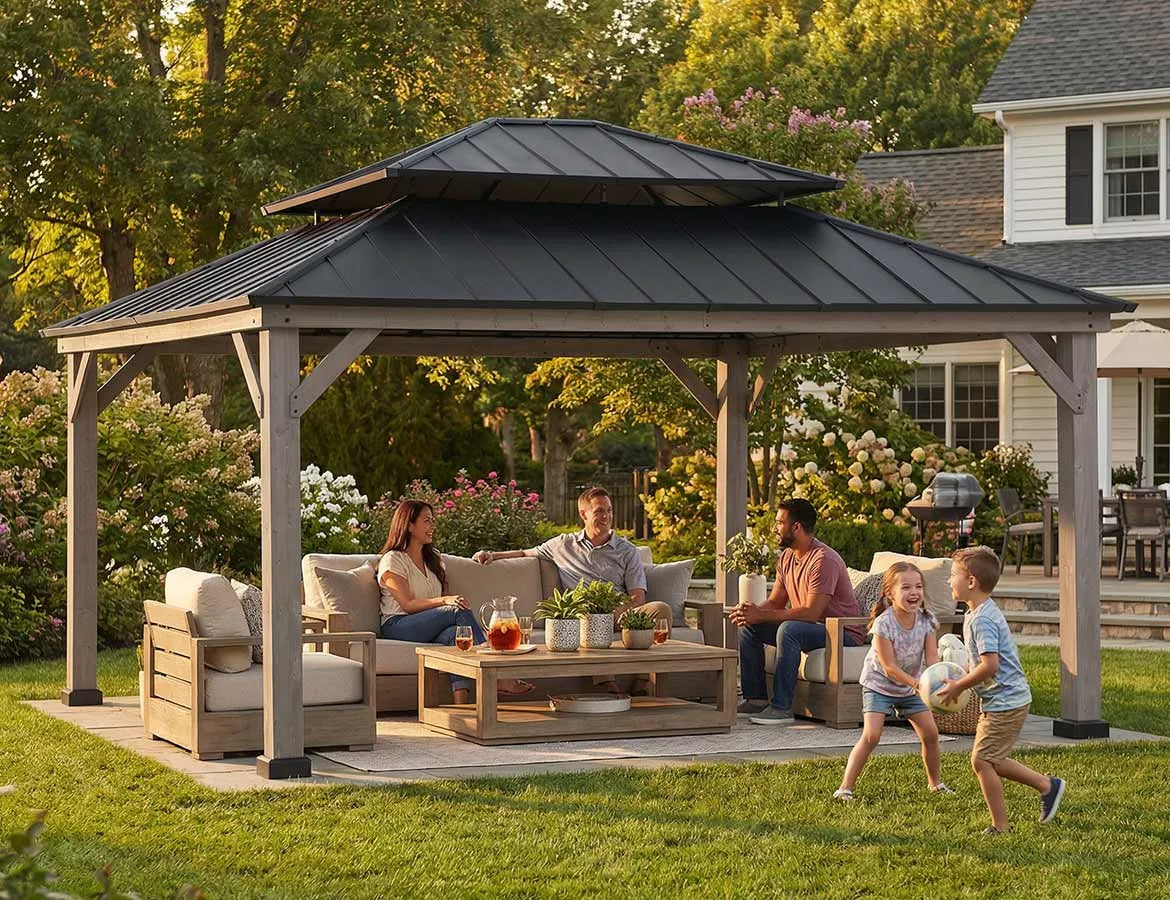
- Best Overall: Sunjoy. Known for versatile designs and wide availability, this brand offers the highest durability-to-price ratio for the average homeowner.
- Best Premium Hardtop: Purple Leaf. This is the preferred choice for high-end aluminum and galvanized steel construction that prioritizes long-term weather resistance.
- Best Wooden Gazebo: Yardistry. For those who prefer natural aesthetics, Yardistry provides premium cedar craftsmanship that outperforms synthetic alternatives in architectural beauty.
- Best Mid-Range Value: Kozyard. This brand offers a balanced approach, providing durable metal frames at a price point below luxury competitors.
- Best Budget Option: Outsunny. If you need a temporary or seasonal shade solution, Outsunny provides the most affordable and easy-to-assemble kits on the market.
Full List of Top Gazebo Brands for Backyard Use
When shopping for a permanent or semi-permanent structure, these seven brands represent the current market leaders in terms of consumer trust and material standards:
1. Sunjoy (Market Leader)
2. Purple Leaf (Luxury Metal)
3. Yardistry (Cedar Specialist)
4. Kozyard (Value-Driven Metal)
5. Outsunny (Entry-Level/Seasonal)
6. Sojag (Modern Design Specialist)
7. Domi Outdoor Living (High-Stability Steel)
Comparison Table: How do these brands stack up?
|
Brand |
Price Range |
Primary Material |
Durability |
Assembly |
Weather Resistance |
Best Use Case |
|
Sunjoy |
$500 - $2,500 |
Steel/Aluminum |
High |
Moderate |
High |
All-around backyard |
|
Purple Leaf |
$1,500 - $4,000 |
Galv. Steel |
Extreme |
Complex |
Extreme |
Permanent living |
|
Yardistry |
$1,800 - $3,500 |
Cedar Wood |
Very High |
Complex |
High |
Luxury landscape |
|
Kozyard |
$800 - $1,800 |
Aluminum |
High |
Moderate |
Moderate |
Everyday value |
|
Outsunny |
$200 - $800 |
Steel/Fabric |
Moderate |
Easy |
Low |
Seasonal shade |
|
Sojag |
$1,200 - $3,000 |
Aluminum |
High |
Moderate |
High |
Modern design |
|
Domi |
$1,000 - $2,500 |
Steel |
High |
Moderate |
High |
Windy areas |
Detailed Reviews: A Brand-by-Brand Breakdown
Sunjoy (Best Overall)
Sunjoy is one of the most widely available brands, offering diverse product lines from soft-top canopies to permanent hardtops.
Pros:
Wide range of styles to fit any backyard aesthetic.
Consistent build quality across various price tiers.
Easy to find and replace parts through a mature supply chain.
Suitable for almost any standard backyard scenario.
Key Features:
Powder-coated steel frames for rust prevention.
Optional hardtop or high-density canopy roofs.
Multi-size configurations (typically from 10x10 to 14x20 feet).
Best Use Case: All-around backyard use for patios, decks, or gardens.
Purple Leaf (Best Premium Hardtop)
Purple Leaf is recognized for its high-end hardtop gazebos featuring modern engineering and sleek finishes.
Pros:
Galvanized steel roofs provide extreme long-term durability.
Rust-resistant aluminum frames prevent salt-air corrosion.
Excellent protection against heavy snow and wind (rated up to 40 mph).
Cons:
Significantly higher price point than mass-market competitors.
The assembly process is complex and often requires 3+ people.
Key Features:
Double roof ventilation system for heat dissipation.
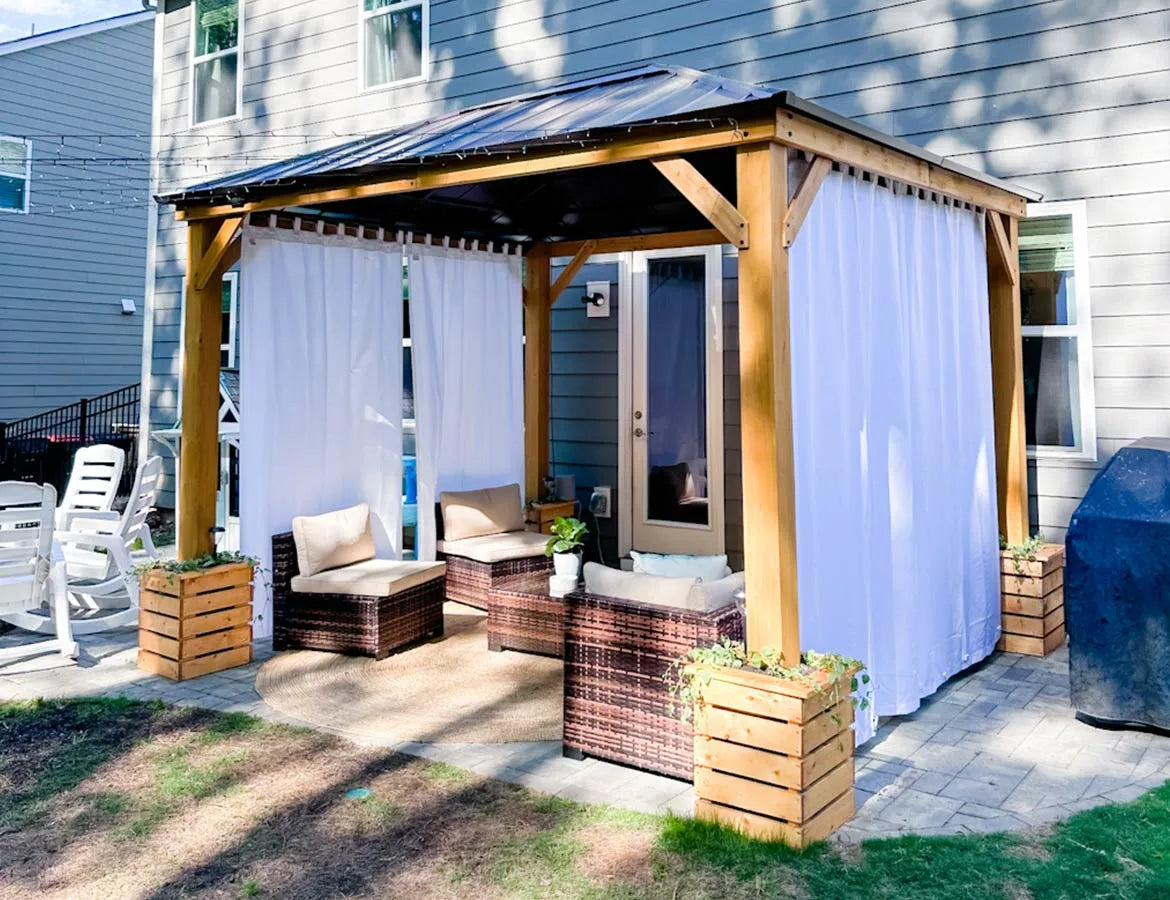
Premium curtain and netting dual-track system included.
Heavy-duty construction with thickened support posts .
Best Use Case: Permanent outdoor living spaces in harsh weather zones.
Yardistry (Best Wooden Gazebo)
Yardistry specializes in premium cedar wood gazebos that offer a high-end, architectural look.
Pros:
Natural cedar wood is naturally resistant to rot, decay, and insects.
Elegant, architectural design that adds property value.
Long lifespan when maintained (up to 15+ years).
Cons:
Highly time-consuming assembly; pre-drilled kits still require precision work.
Higher upfront cost compared to standard metal structures.
Key Features:
Pre-cut and pre-drilled 100% FSC-certified cedar wood kits.
Weather-treated cedar and aluminum roofing.
Extremely strong structural stability for permanent anchoring.
Best Use Case: Luxury backyard landscaping and garden pavilions.
Kozyard (Best Mid-Range Value)
Kozyard provides a well-balanced option that prioritizes stability and function over ornate aesthetics.
Pros:
Solid aluminum frame construction for weight savings and rust resistance.
Good structural stability, often rated for 60 mph wind speeds when anchored.
Competitive pricing for hardtop models.
Cons:
Design options are relatively utilitarian and limited.
Not as premium-looking as luxury brands like Sojag or Purple Leaf.
Key Features:
29-gauge galvanized steel roof panels.
Durable frame alignment and integrated gutter systems.
Functional design focused on year-round use.
Best Use Case: Everyday backyard use with strict budget control.
Outsunny (Best Budget Option)
Outsunny is an entry-level brand focused on affordability and lightweight structures.
Pros:
Very budget-friendly, making it accessible for first-time buyers.
Easy to assemble, typically requiring only basic tools.
Lightweight and flexible for seasonal placement.
Cons:
Limited durability in harsh weather or high winds.
Soft-top fabric offers less protection and requires frequent replacement.
Key Features:
Polyester fabric canopy with UV-resistant coatings.
Simple steel frame structure.
Portable-friendly designs.
Best Use Case: Temporary or seasonal backyard setups and rental properties.
Outsunny Canopy Lifespan Statistics
Sojag
Sojag offers stylish, mid-to-high-end metal gazebos known for their contemporary design.
Pros:
Modern aesthetic with sleek lines and dark finishes.
Durable metal construction (primarily powder-coated aluminum).
Cons:
Higher price point for features comparable to mid-tier brands.
Limited availability in certain geographic regions.
Best Use Case: Design-focused outdoor spaces where aesthetics are a priority.
Domi Outdoor Living
Domi is a specialist in contemporary steel gazebos designed for extreme stability.
Pros:
Strong weather resistance with roof hanging capacities of 22 lbs/sq ft.
Sleek, modern aesthetics with integrated gutter systems.
Cons:
Heavy steel structure requires significant effort to install.
Mid-to-high price range.
Best Use Case: Windy or harsh climate areas where structure weight is an advantage.
How to Choose a Gazebo Brand (Buying Guide)
- Material: Choose aluminum/steel for zero maintenance. Choose cedar for aesthetics and heat insulation. Choose fabric for low-cost, temporary use.
- Roof Type: Hardtops provide year-round protection from snow and heavy rain. Soft-tops are better for light summer shade.
- Weather Resistance: Check for wind ratings (40-60 mph) and snow load capacities (20-30 lbs/sq ft) if you live in extreme climates.
- Installation: Expect to pay for professional installation or set aside 8-12 hours for hardtop kits.
- Budget: A permanent structure typically requires an investment of $1,200 to $3,500.
Final Verdict: Which brand should you choose?
Sunjoy stands out as the most balanced and reliable choice for the vast majority of homeowners. It provides a level of durability and customer support that boutique brands cannot match at its price point.
FAQs
Q1: What is the best gazebo material for backyard use?
Aluminum is the best frame material for rust resistance, while galvanized steel or cedar wood is best for roof and structural stability.
Q2: Are hardtop gazebos worth it?
Yes. Hardtops are a "one-time" investment that can last 10-20 years, whereas soft-tops are recurring expenses that fail under UV exposure and wind.
Q3: How long do gazebos last?
A soft-top canopy usually lasts 3–5 years. A well-maintained hardtop or cedar gazebo can last 10–15 years or longer.
Q4: Do gazebos require maintenance?
Yes. Metal gazebos need annual checks for rust and loose anchors. Wooden gazebos require a fresh sealant every 2 years to prevent rot and cracking.

Leave a comment
All comments are moderated before being published.
This site is protected by hCaptcha and the hCaptcha Privacy Policy and Terms of Service apply.