

Outdoor dining is often treated as a warm-weather luxury. Once winter arrives, many homeowners assume outdoor meals are no longer practical. Furniture is covered, grills are ignored, and the backyard becomes unused space.
But winter doesn’t have to end outdoor dining. In fact, winter outdoor meals can feel more intimate and memorable than summer ones—if the space is designed correctly.
The key difference between enjoyable winter dining and an uncomfortable experience isn’t temperature alone. It’s how the space manages wind, heat, and shelter.
This guide explains how to enjoy outdoor dining in winter using a realistic, repeatable approach that works in everyday conditions.
Start With the Honest Answer: Is Winter Outdoor Dining Actually Practical?
Yes—but not on an open patio.
Winter outdoor dining works when three things happen at the same time:
Wind is controlled
Heat stays near the table
Food and seating are protected from moisture
Without these, even powerful heaters fail.
Why Most Winter Outdoor Dining Attempts Fail
The most common mistake is trying to heat open air.
In winter, wind removes heat faster than heaters can replace it. This is why guests feel cold even when standing near a heat source. Snow or light rain adds another layer of discomfort by cooling surfaces and food.
The solution isn’t more heat—it’s structure.
Think in Zones, Not Furniture
Successful winter dining spaces are planned around zones rather than tables and chairs.
Zone 1: The Dining Core
This is where people sit, eat, and stay the longest. It must be protected.
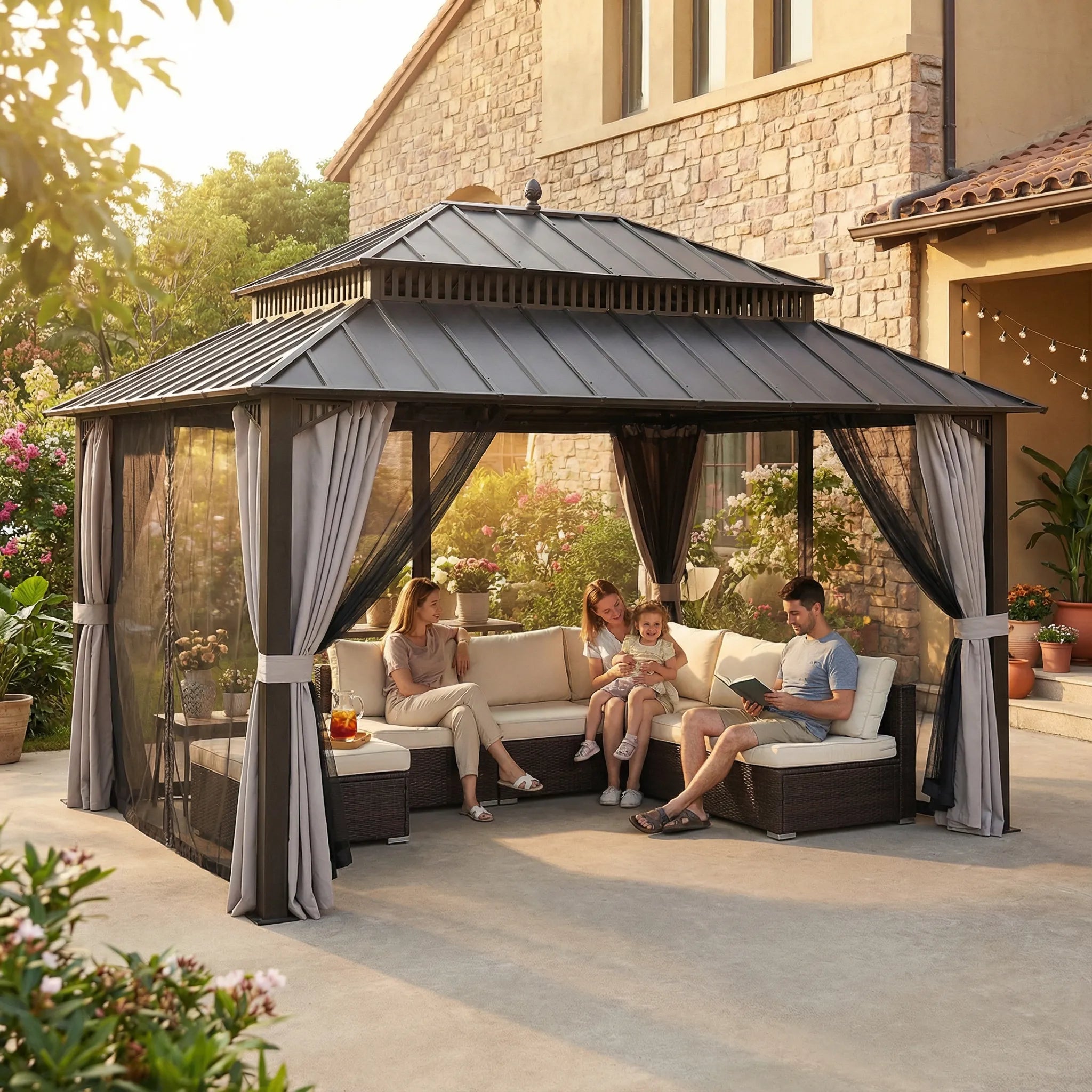
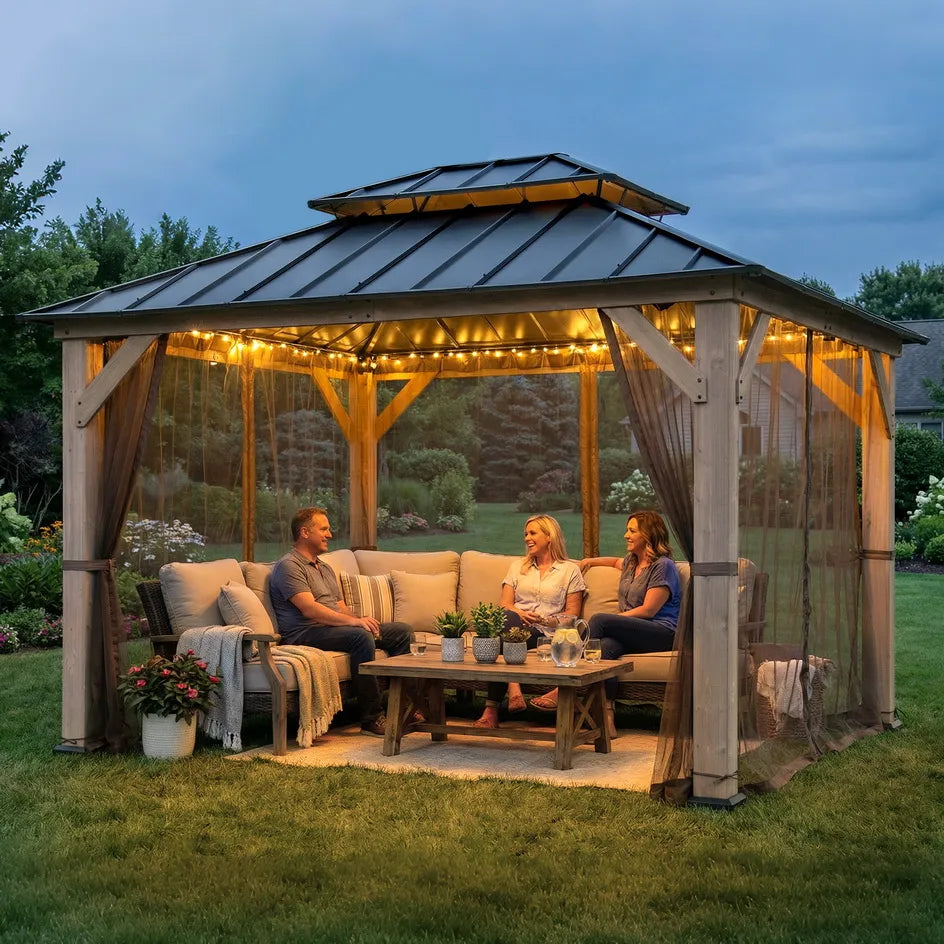
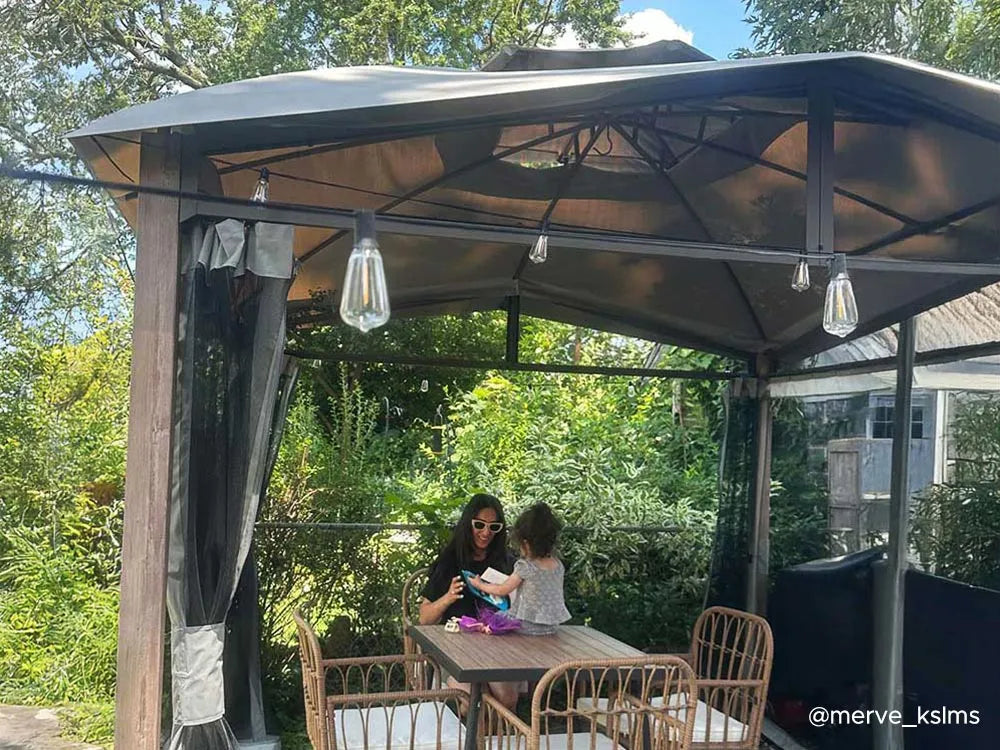
A hardtop gazebo is the most effective structure for this zone because it provides:
Overhead protection from snow and rain
Reduced wind exposure
A defined area where heat can be retained
Many homeowners use SUNJOY hardtop gazebos as the dining core because the rigid roof allows lighting and heaters to work efficiently without constant adjustments.
Zone 2: The Weather Buffer
This zone absorbs environmental changes before they reach diners.
It might include:
Curtains or panels on wind-facing sides
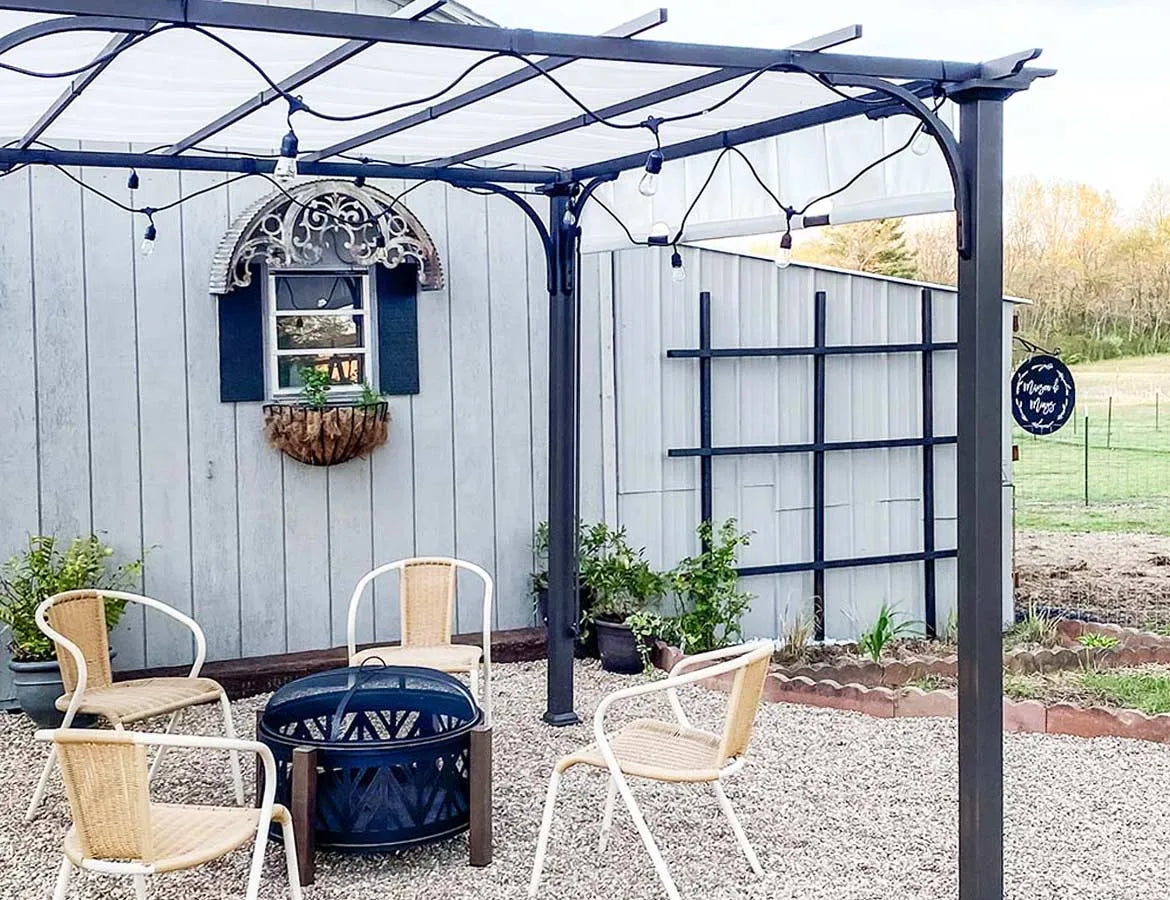
Pergola areas with adjustable shade
Open space that can be reconfigured
A SUNJOY pergola with an adjustable canopy works well here, especially during daytime winter meals when sun exposure fluctuates.
Zone 3: The Comfort Anchor
This is what keeps people seated longer.
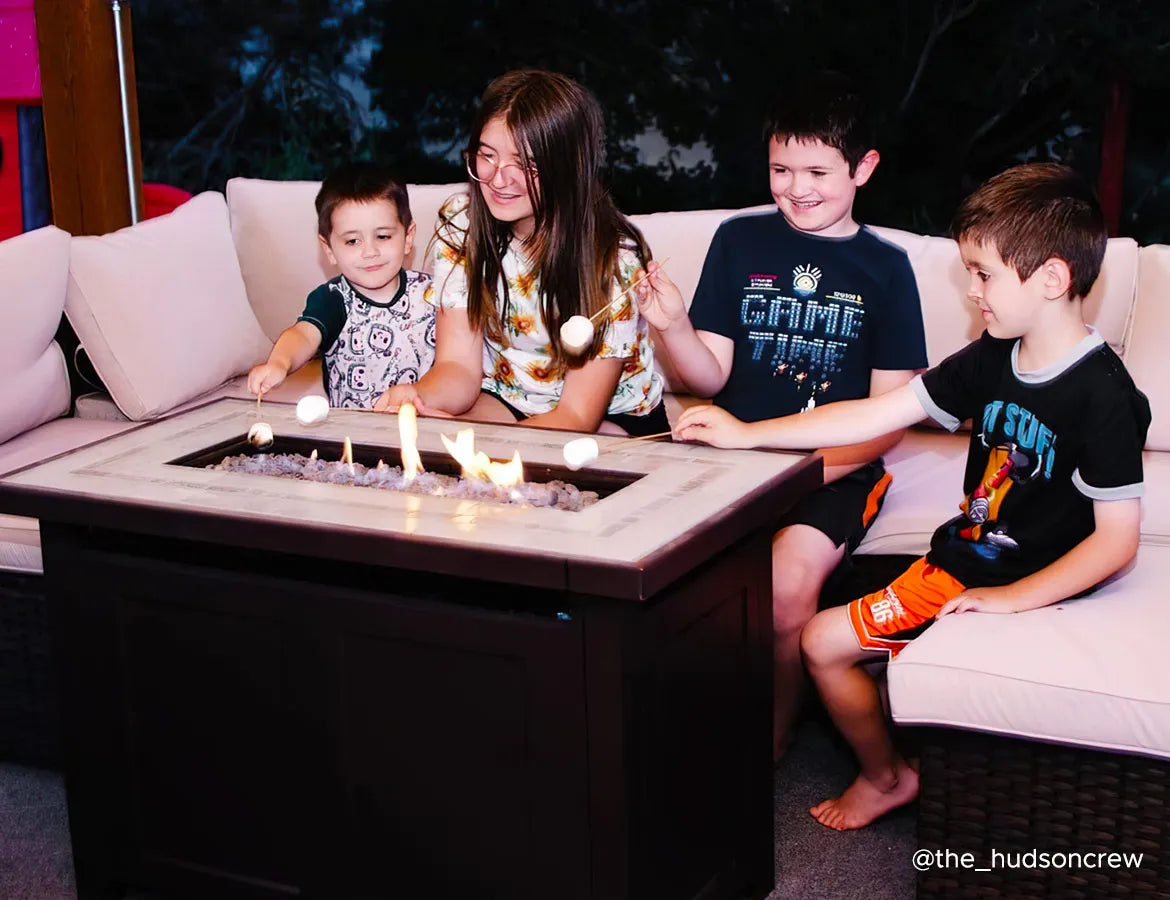
In winter, warmth is the anchor. Fire pits or outdoor fireplaces placed near—but not directly under—the dining table provide radiant heat that warms people rather than the air.
Compact SUNJOY wood burning fire pits are often paired with gazebos to create a comfortable dining atmosphere without overwhelming the space.
Why Gazebos Matter More Than Heaters
Heaters don’t create comfort—enclosed air does.
A gazebo:
Blocks wind from above
Traps radiant heat
Keeps snow and moisture off food and seating
This is why a modest heat source under a gazebo often feels warmer than a strong heater on an open patio.
Gazebos with curtain compatibility allow selective enclosure, blocking wind while maintaining airflow.
The Overlooked Factor: Table Placement
Even under shelter, table placement matters.
For winter dining:
Center the table fully under the roof
Keep chairs away from open edges
Avoid placing diners near gaps where cold air enters
These small adjustments dramatically improve comfort without additional equipment.
Lighting Changes How Warm a Space Feels
Lighting affects perception.
Warm, soft lighting:
Makes spaces feel cozier
Encourages guests to stay longer
Reduces the “cold” visual effect of winter surroundings
Gazebos that support overhead lighting—such as those with ceiling hook compatibility—make winter dining feel intentional rather than temporary.
What to Serve (Yes, It Matters)
Winter dining works better with foods that:
Retain heat
Can be served in insulated dishes
Encourage slower eating
Hot soups, grilled dishes, and warm beverages complement the environment and make the experience feel cohesive.
Hosting Different Groups Comfortably
Winter dining often includes:
Children who move frequently
Adults who linger over meals
Older guests sensitive to cold
A sheltered outdoor setup keeps everyone together instead of splitting the group indoors and outdoors.
This is where gazebos excel—they create a shared space that feels secure for all ages.
Real-Life Shift: Same Yard, Different Experience
Many homeowners describe the same change after redesigning their winter dining setup.
Before:
Guests stood, ate quickly, and left early.
After:
People sat comfortably, conversations lasted longer, and winter meals became a regular habit.
The difference wasn’t weather—it was preparation.
Common Mistakes That Ruin Winter Outdoor Dining
Using umbrellas instead of solid shelter
Placing heaters without blocking wind
Overcrowding under limited cover
Ignoring drainage and moisture
Treating winter dining as a one-time experiment
Avoiding these mistakes matters more than buying new furniture.
How SUNJOY Supports Winter Outdoor Dining
SUNJOY outdoor structures are designed for repeat seasonal use, not just summer styling.
Gazebos provide stable shelter
Pergolas offer adaptable sun control
Fire pits add focused warmth
Together, they help create outdoor dining spaces that remain usable even as temperatures drop.
A Simple Winter Dining Readiness Test
Ask yourself:
Can people stay seated comfortably for 30–60 minutes?
Does the space still work if wind shifts slightly?
Is food protected from moisture?
If yes, winter outdoor dining will feel natural—not forced.
Final Thought: Winter Doesn’t End Outdoor Dining—Design Does
Enjoying outdoor dining in winter isn’t about resisting the season. It’s about designing with it in mind.
With proper shelter, smart layout, and focused warmth, winter meals can become one of the most rewarding ways to use your outdoor space.
With thoughtful planning and adaptable structures like SUNJOY gazebos, pergolas, and fire pits, outdoor dining doesn’t have to stop when temperatures drop—it simply changes, and often, improves.
Leave a comment
All comments are moderated before being published.
This site is protected by hCaptcha and the hCaptcha Privacy Policy and Terms of Service apply.