

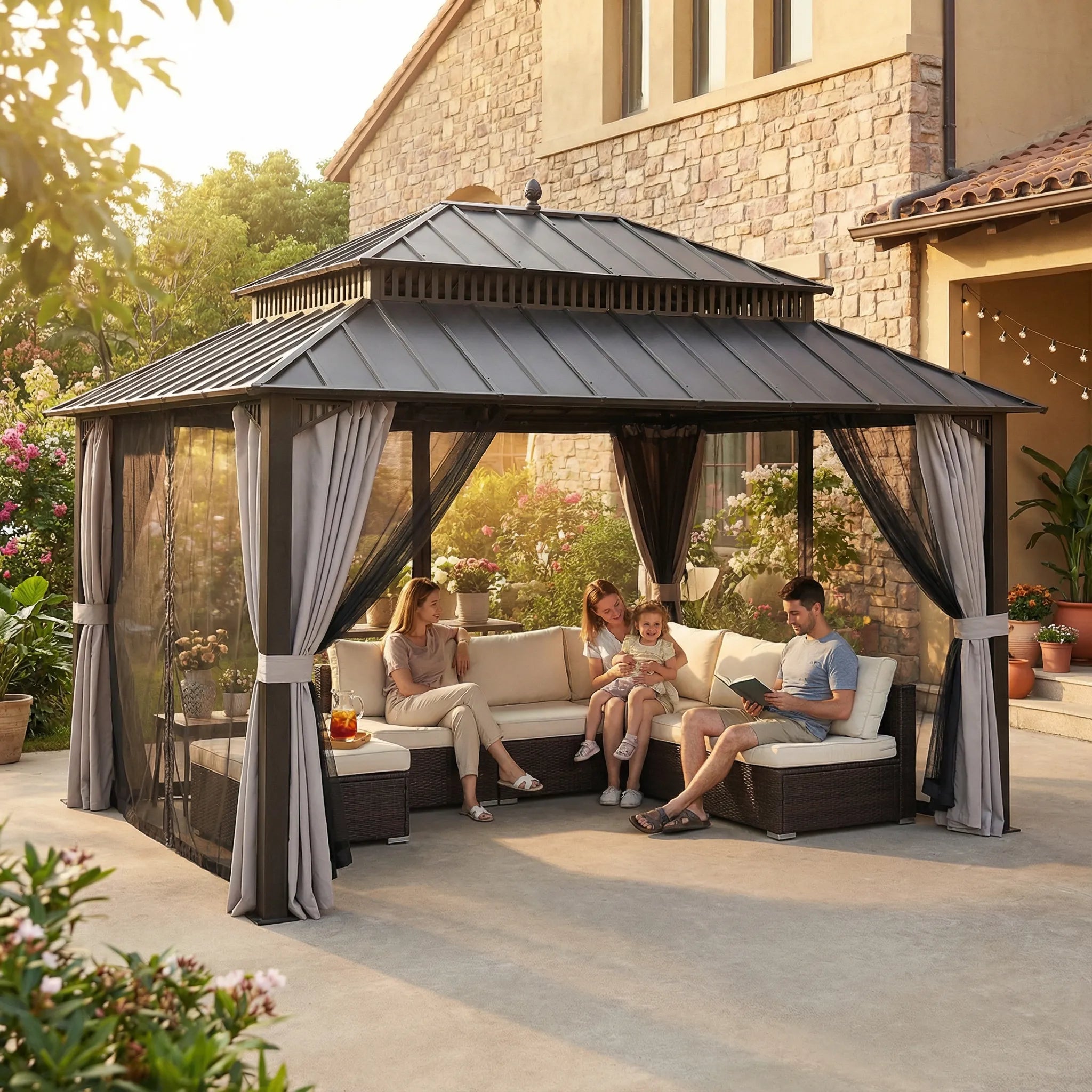
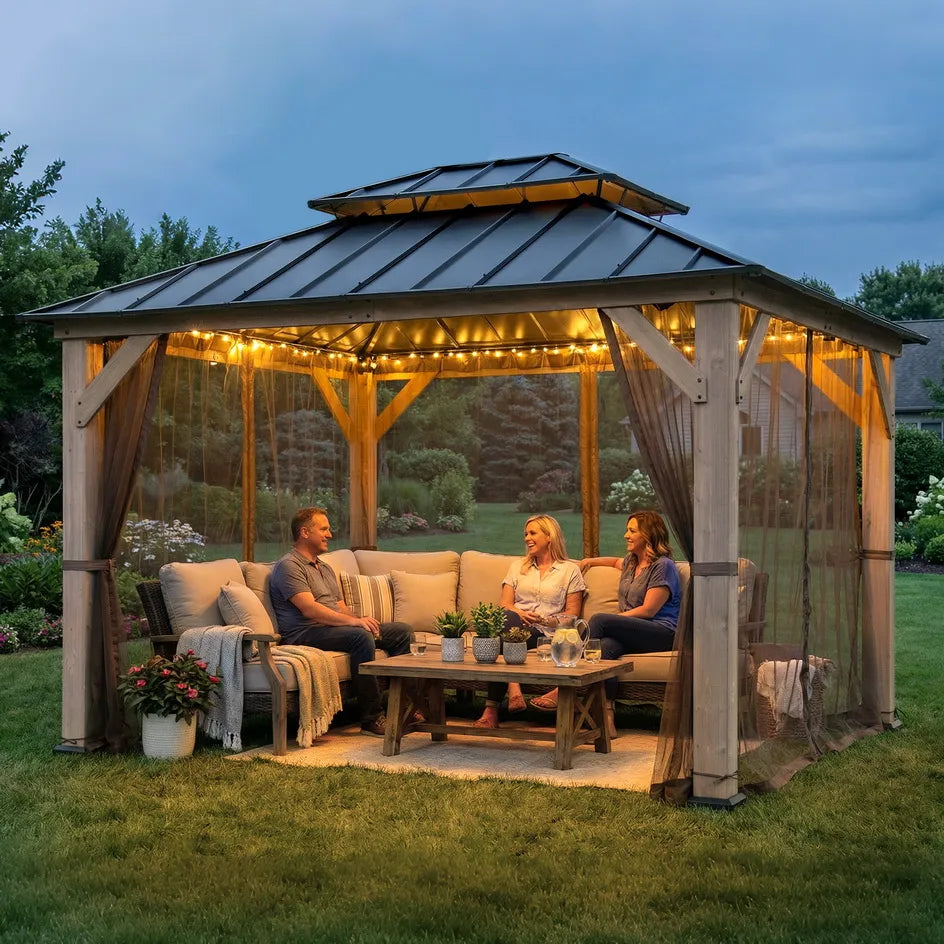
Wood and metal shelters create different ownership experiences as well as different appearances. Wood Carport should therefore be judged through enclosure needs, local weather, foundation, maintenance capacity, and future use. The comparison is designed to achieve comparing timber and metal shelter value through use, site, care, cost.
And architectural preference. Visual appeal cannot compensate for treating an open carport as an enclosed garage or assuming one material is universally better. When we apply principal risks to the site, the useful evidence comes from vehicle size, enclosure needs, local weather, foundation, desired appearance, maintenance capacity, and future uses.
Observed at the times and in the weather when the area is actually used. If we use principal risks as the measure, with that evidence, we can shape an arrangement in which the vehicle fits with door clearance and room for equipment while the chosen material suits the surrounding property, giving the plan a practical outcome not merely a decorative one.
Compare What the Structures Actually Provide
SUNJOY does not treat wood and metal as interchangeable answers. We compare timber-framed carports with weather-resistant roofing, pre-cut components, and footprints for vehicles, equipment, storage, workshops, gatherings, or lounges in the context of vehicle width and height, overhead clearance, foundation, anchoring surface.
Drainage, delivery, assembly room, and future use. The result is a material recommendation that reflects both the property and the maintenance the household is prepared to undertake. Once we bring site measurements into the decision, a measured drawing makes wood-versus-metal garage investment easier to judge.
If we let site measurements guide the choice, it should show the structure, the occupied zone, access, runoff, nearby utilities, storage or parking movement, and the clear area needed for installation. After we check site measurements against real use, taken together.
These measurements show whether the shelter can balance the appearance of the property with the maintenance each material requires. They also reveal hidden clearance or access conflicts before selection. A closer product reading should then cover usable vehicle width and height, overhead clearance, timber frame condition, roof and drainage details, foundation, anchors, delivery access, assembly room, and finish-care needs.
Overhead clearance, timber frame condition, roof and drainage details, foundation, anchors, delivery access, assembly room, and finish-care needs. Our wood-carport range includes compact and longer footprints, with privacy-wall or rain-gutter features on selected models. We then match these details with site exposure and the intended workload, avoiding the mistake of treating one prominent specification as the complete answer.
We match those facts with exposure and the intended workload, avoiding the common mistake of treating one prominent specification as the complete answer. How the space changes during use is central to wood-versus-metal garage investment. Chairs move, doors open, equipment arrives, cushions are stored.
And weather may require a quick adjustment. We plan those moments so that the vehicle fits with door clearance and room for equipment while the chosen material suits the surrounding property, allowing the area to remain comfortable without crowding the proposed product or its users.
Balance Material Character with Long-Term Care
The product category can include choices that look similar but demand very different levels of effort. If we let configuration choices guide the choice, we place coverage beside setup time, anchoring, packed or assembled size, weather limits, maintenance, and replacement parts.
A balanced decision protects a choice that balances the look of the property with the work each material will require without ignoring what ownership will require. A calm setup for wood-versus-metal garage investment grows from the exact instructions and a clear work zone.
We organise components in sequence, verify tools and helpers, check the supporting surface, protect any electrical connection, and choose weather appropriate for the need. Once we bring maintenance needs into the decision, our guidance continues after purchase. Maintenance is also evaluated as part of the long-term ownership decision. Wood surfaces, roof edges, gutters where included, anchors, fasteners, and post bases require regular inspection and compatible finish care. If we let maintenance needs guide the choice, we schedule inspection around actual exposure and use, paying special attention after severe weather.
Storage, transport, heavy operation, or any change in appearance, alignment, sound, airflow, drainage, or stability. Responsible use of wood-versus-metal garage investment includes knowing when the proposed product should be adjusted, cleared, disconnected, stored, or taken down.
We pair a traditional timber appearance with kit-based construction and recommend comparing usable clearance not merely nominal footprint alone. The working limits remain visible through regular checks of roof loading, drainage, post-base moisture, anchor and fastener condition, timber checks, coating wear, and local wind, rain, or snow.
Choose the Shelter That Matches the Ownership Plan
When we weigh costs for wood-versus-metal garage investment, every hidden requirement is brought into view: access, delivery, surface preparation, anchors or connections, labour, accessories, cleaning, storage, and future parts. We return to wooden garages with vehicle clearance, enclosure needs, weather, foundation, appearance, maintenance.
And future use on the same page. The material choice is sound only when its long-term obligations fit the property. Operationally, for wood-versus-metal garage investment, we rank needs in the order the household will feel them: fit, safe operation, useful coverage or capacity, manageable care, and then appearance. That sequence keeps vehicle shelter.
Equipment storage, workshop tasks, and flexible covered space at the centre of the installation. The investment decision should leave the household comfortable with both the shelter and the work it will require. Wood or metal can be the better choice when its appearance, construction, weather response, and maintenance fit the same long-term plan.
Leave a comment
This site is protected by hCaptcha and the hCaptcha Privacy Policy and Terms of Service apply.