

When planning outdoor structures such as a backyard gazebo, many homeowners assume small garden builds do not require approval. In reality, permit rules depend on size, structure type, and local building codes. For customers and DIY homeowners, understanding these rules helps avoid delays and compliance issues before installation.
Understanding Permit Rules for a Backyard Gazebo
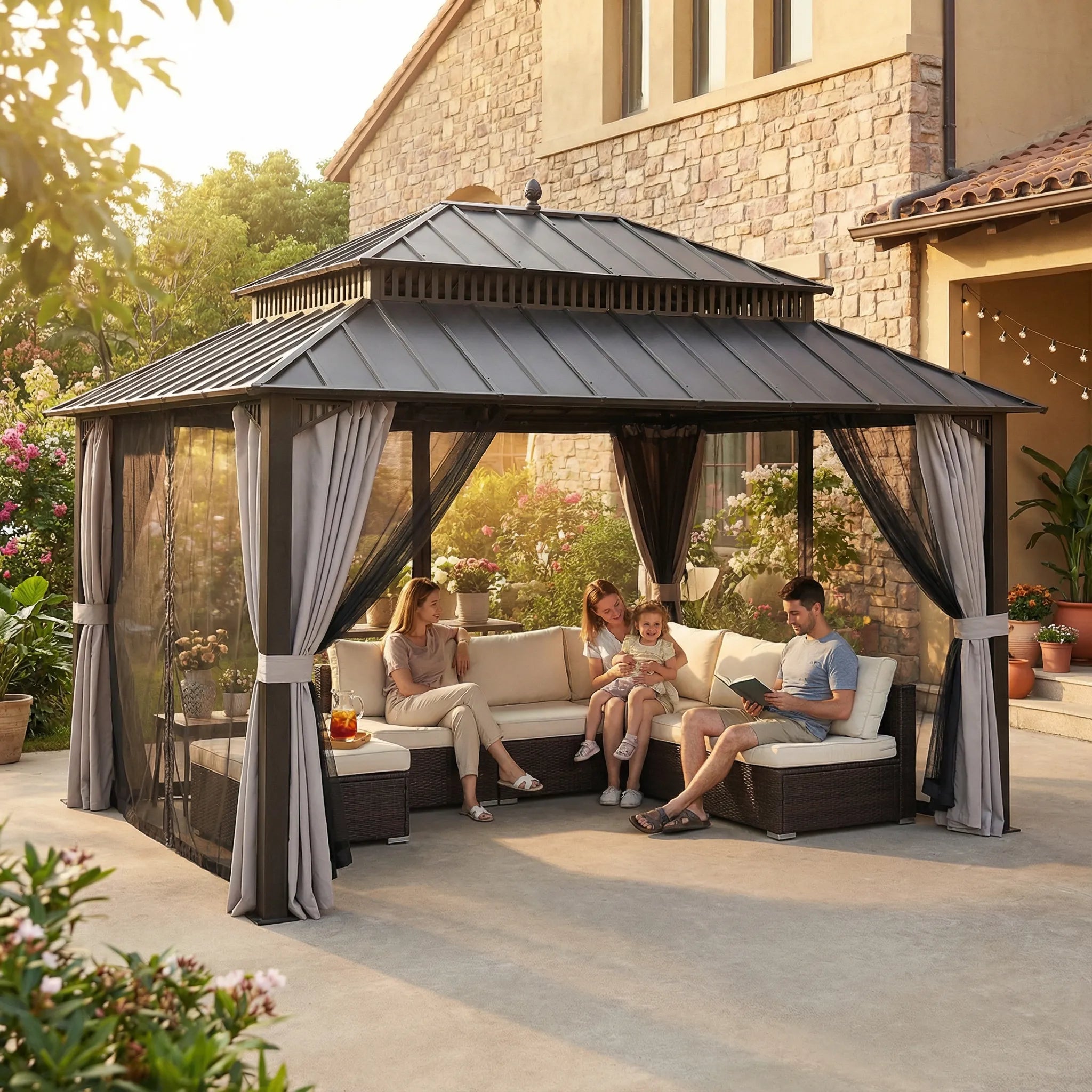
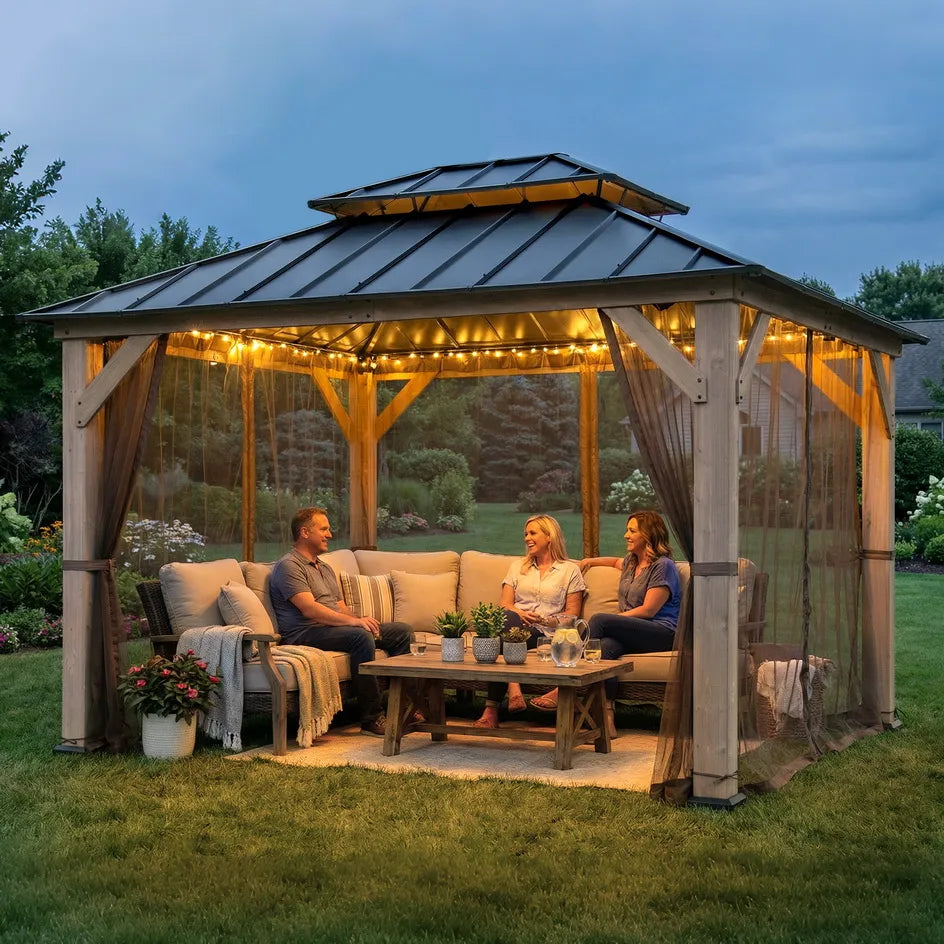
A backyard gazebo is typically classified as a detached accessory structure under residential building codes. In many areas of the United States, small structures may qualify for permit exemptions, but only under specific conditions.
Most jurisdictions follow a common threshold where a gazebo under about 100 to 200 square feet may not require a building permit as long as it remains one story and is used for non-habitable purposes. However, this is not a universal rule. Local municipalities can set lower limits or add extra conditions, such as height restrictions or setback requirements. This means two similar gazebos installed in different cities can fall under completely different requirements.
Key Factors That Determine If a Permit Is Needed
Several elements influence whether your outdoor structures project requires approval.
The first factor is size. Once a backyard gazebo exceeds local square footage limits, it typically requires a permit regardless of design simplicity.
The second factor is permanence. A gazebo anchored with concrete footings or a fixed foundation is more likely to require approval than a lightweight structure placed on a temporary base.
The third factor is utilities. Adding electricity, lighting, or plumbing almost always triggers additional permitting, even if the structure itself is small.
Zoning rules also matter. Setback requirements from property lines and building height limits can require approval even when the gazebo is under the size exemption.
When You Usually Do Not Need a Permit
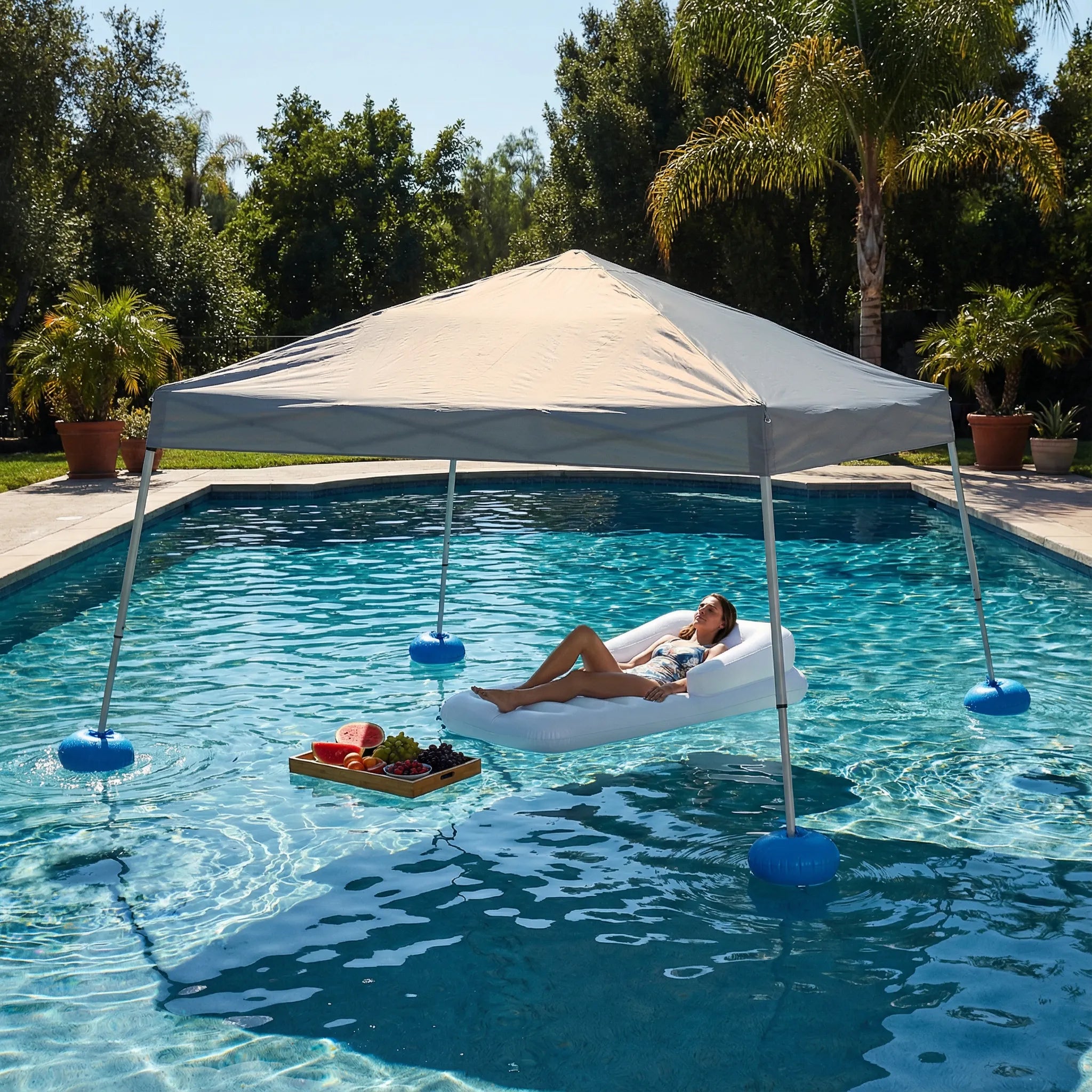
In many regions, a permit may not be required if the gazebo is small, freestanding, and does not include utilities. Temporary or lightweight outdoor structures are often treated more leniently, especially when they can be disassembled and do not alter the property permanently.
Some homeowners install prefabricated kits in this category, particularly compact backyard gazebo models designed for quick assembly. However, even when a permit is not required, zoning rules still apply, so placement on the property must follow local regulations.
When a Permit Is Typically Required
A permit is usually necessary when the gazebo becomes a permanent structure. This includes larger designs, anchored installations, or any project involving electrical wiring or roofing attached to a house.
Attached gazebos are also treated differently because they are considered home additions rather than detached outdoor structures, which places them under stricter building requirements.
Ignoring these rules can lead to stop-work orders, fines, or required removal of the structure in some cases.
SUNJOY Outdoor Structure Considerations
We at SUNJOY design a range of outdoor structures, including durable and stylish backyard gazebo options that fit different yard sizes and usage needs. While many compact models may fall within typical permit exemptions, homeowners should always confirm local requirements before installation.
Checking specifications such as footprint size, height, and foundation type helps determine whether your chosen gazebo may require approval before assembly.
Conclusion
In most cases, you can build a backyard gazebo without a permit only if it is small, freestanding, and does not include utilities. However, because regulations for outdoor structures vary widely by city and county, there is no single universal rule.
The safest approach is to review local building codes before installation, especially when working with permanent or larger SUNJOY gazebo models. This ensures your outdoor project is compliant, secure, and ready for long-term use without unexpected interruptions.
Leave a comment
This site is protected by hCaptcha and the hCaptcha Privacy Policy and Terms of Service apply.