

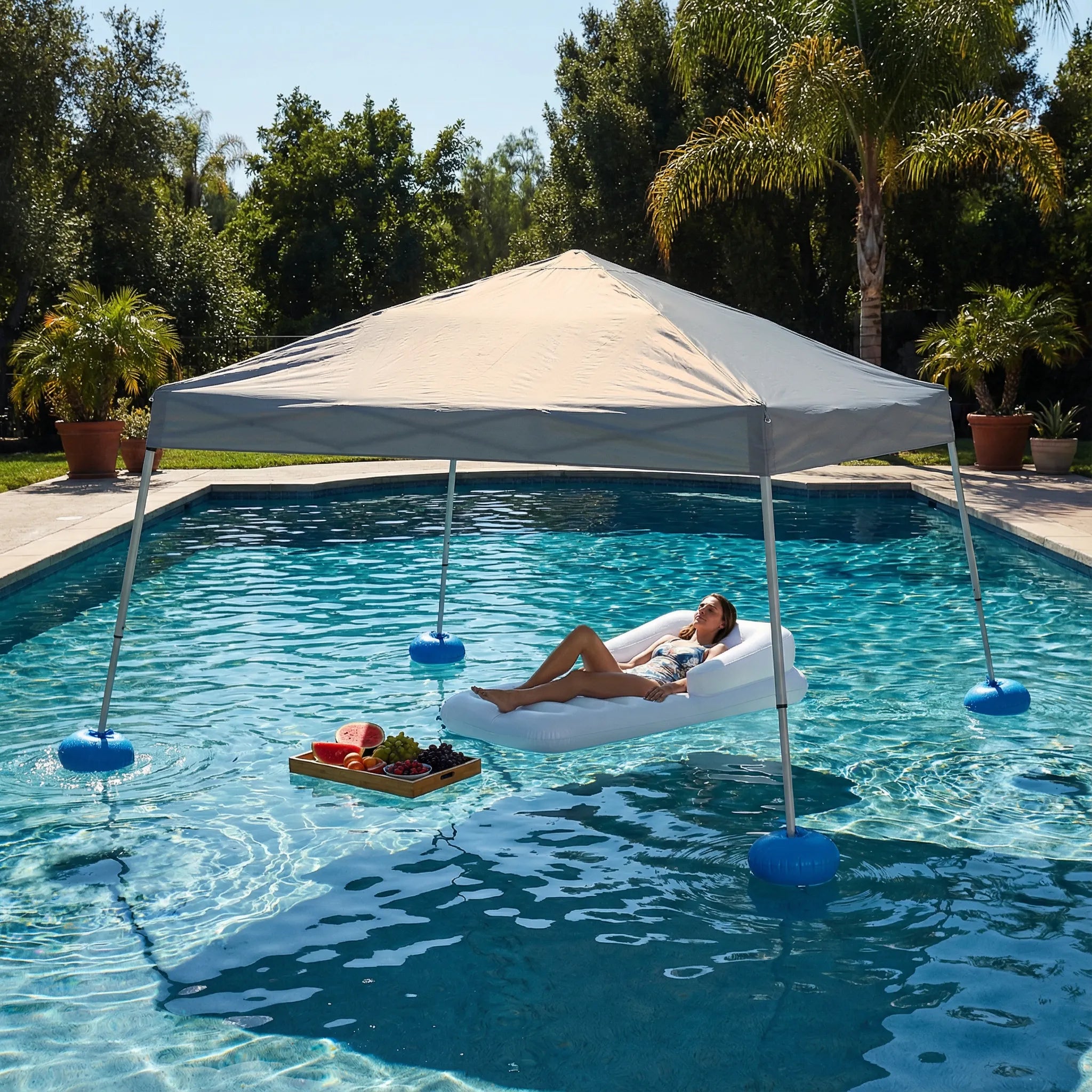
Outdoor shade can make gatherings more comfortable, but a pop-up gazebo needs proper anchoring to remain stable when conditions change. At SUNJOY, we design portable outdoor structures with practical stability in mind, combining lightweight construction with anchoring solutions. When we set up a gazebo, we should consider the surface, expected weather, anchor placement, and overall wind exposure rather than relying on the frame's weight alone.
Why Proper Anchoring Matters for a Pop-Up Gazebo
A pop-up gazebo has an important advantage: portability. However, its lightweight structure also means wind can exert considerable force on the canopy. A sudden gust can shift, lift, or overturn an inadequately secured structure, creating risks for people and surrounding property.
We should therefore treat anchoring as an essential part of setup rather than an optional accessory. Outdoor shade structures can become airborne in strong winds, so they should be secured according to the manufacturer's instructions.
Match the Anchoring Method to the Ground
The appropriate anchoring method depends heavily on the surface. Grass and soil allow us to use ground stakes or similar anchoring hardware, while wood decks and concrete require different fastening approaches. Before installing a portable gazebo, we should identify the surface and confirm which hardware is appropriate.
SUNJOY's Solis Envoy Portable Pop-Up Gazebo 11x11 - Slate Gray provides an anchoring kit for securing the structure to the ground. The product is designed with a powder-coated steel frame and includes the necessary anchoring solution for straightforward setup. This makes stability part of the overall product design rather than an afterthought.
Distribute Weight Across the Structure
Adding weight can improve stability, but placing all the weight at one point is not an effective approach. We should distribute ballast across the designated legs or anchor points so the structure remains balanced. Even distribution can help reduce unwanted movement and lessen the likelihood of one corner lifting.
For a portable gazebo, the goal is to keep the frame connected securely to the ground. We should ensure each leg is properly positioned and anchored, with no loose connections or uneven loading. A stable base works together with the frame rather than compensating for an improperly assembled structure.
Use the Manufacturer's Anchoring System
Improvised weights or generic fastening methods may not provide the performance we expect. The anchor should be compatible with the gazebo and installed according to its instructions. We should also inspect the anchor points before every use, particularly after transporting or repeatedly assembling the structure.
Our Solis Envoy model includes an anchoring kit specifically as part of its design. SUNJOY describes the kit as providing easy and secure fixing to the ground for enhanced stability. This integrated approach helps simplify setup while giving users a clear starting point for securing the structure.
Consider Wind Before Setting Up a Portable Gazebo
Anchoring cannot make a temporary structure suitable for every weather condition. We should check the forecast and pay attention to sudden changes in wind before and during use. If conditions become unsuitable, the safest choice is to take down the gazebo rather than attempting to reinforce it beyond its intended use.
The SUNJOY Solis Envoy has a published wind rating of 35 MPH. This specification gives us an objective reference for understanding the product's stated wind-performance limit. It should not be interpreted as a guarantee that the gazebo can safely remain assembled in every situation at that wind speed, particularly where gusts, terrain, or installation conditions vary.
Keep the Canopy and Frame Properly Tensioned
The canopy should be installed correctly so that fabric, frame, and attachment points work together. Loose or incorrectly positioned components can create unnecessary movement and may affect overall stability. After opening a pop-up gazebo, we should check that the frame is fully extended and that the canopy is attached as instructed.
SUNJOY's Solis Envoy uses a durable powder-coated steel frame and a weather-resistant fabric top. Its two-tier canopy is designed to promote airflow while providing shade. The design allows wind to pass through the upper ventilation area, although proper anchoring remains essential for safe outdoor use.
Inspect Anchors Throughout Use
Setting the anchors once is not enough. We should periodically check whether stakes have loosened, fastening points have shifted, or the ground has become softer because of rain. High-traffic areas also deserve attention because people moving around the gazebo can accidentally disturb anchor points.
For portable structures, routine inspection is especially practical because we frequently assemble, move, and store them. SUNJOY's Solis Envoy includes a carry bag, making transportation and storage easier. Its 35.27 lb. weight makes it easy to move, while the pop-up design and carry bag simplify setup and storage.
Balance Portability With Stability
Portability should never mean sacrificing responsible setup. A lightweight structure is valuable because we can move it between patios, lawns, gatherings, and outdoor trips, but every new location requires us to reassess the anchoring conditions. The Solis Envoy's steel construction, pop-up frame, carry bag, and anchoring kit combine portability with practical outdoor functionality.
Make Safe Setup Part of Outdoor Enjoyment
Effective weighting and anchoring begin before we start using a pop-up gazebo. We need to choose a suitable surface, use compatible anchoring equipment, distribute stabilizing force properly, inspect connections, and monitor changing weather conditions. Most importantly, we should follow the manufacturer's instructions and take the structure down when conditions exceed its intended use.
At SUNJOY, we build portability and stability into the outdoor experience. Our Solis Envoy Portable Pop-Up Gazebo combines a powder-coated steel frame, ventilated two-tier top, weather-resistant fabric, and included anchoring kit in an 11x11-foot design. By pairing these features with responsible setup and weather awareness, we can enjoy the flexibility of a portable gazebo with greater confidence.
Leave a comment
This site is protected by hCaptcha and the hCaptcha Privacy Policy and Terms of Service apply.