

Folding a gazebo tent properly is an important part of maintaining any outdoor gazebo, especially for homeowners who value long-term durability and consistent performance. We often hear from customers who enjoy outdoor living but want to make sure their structures remain in good condition over time. With the right approach, folding and storing a gazebo tent can be simple, safe, and efficient without putting stress on the frame or fabric.
Understand the Structure Before Folding
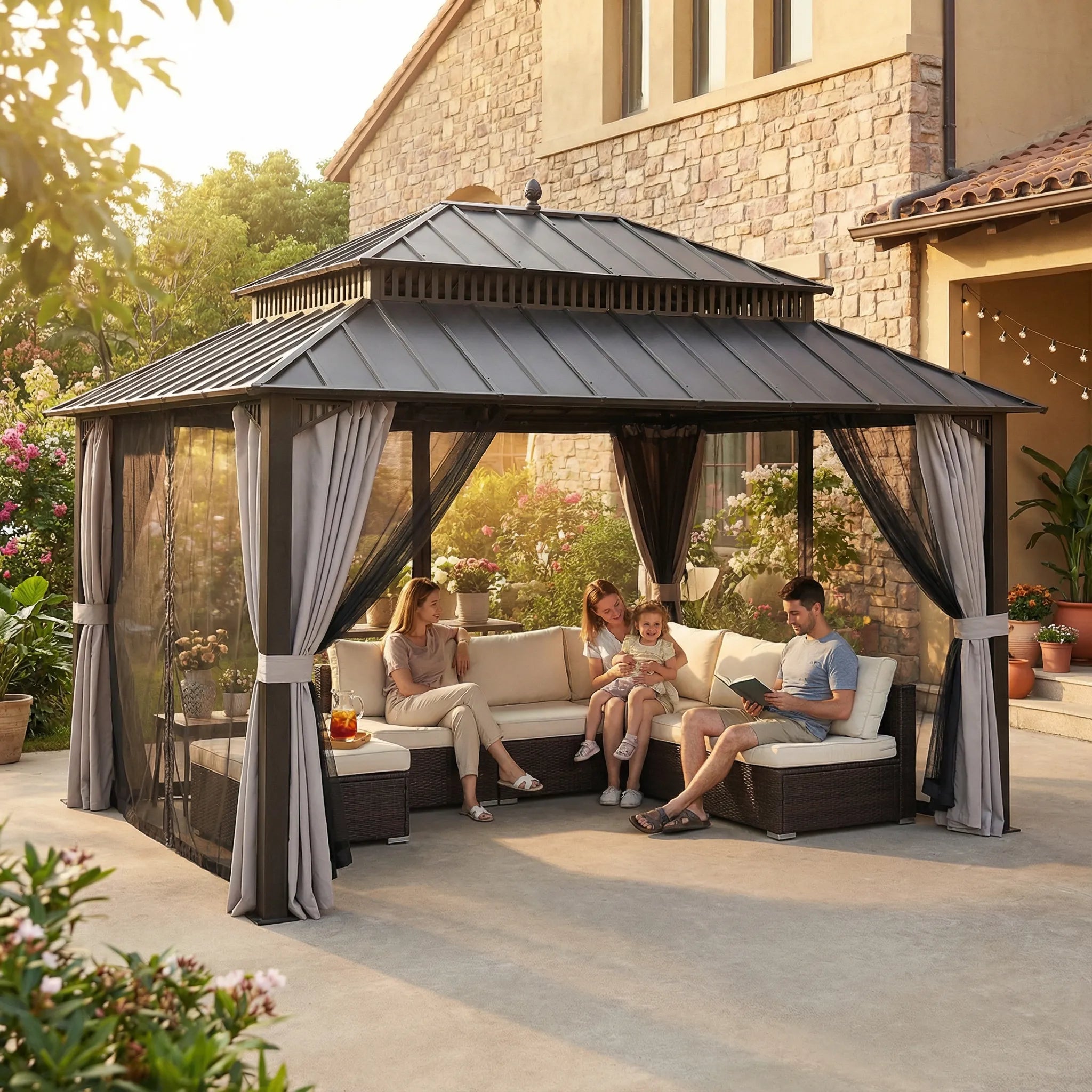
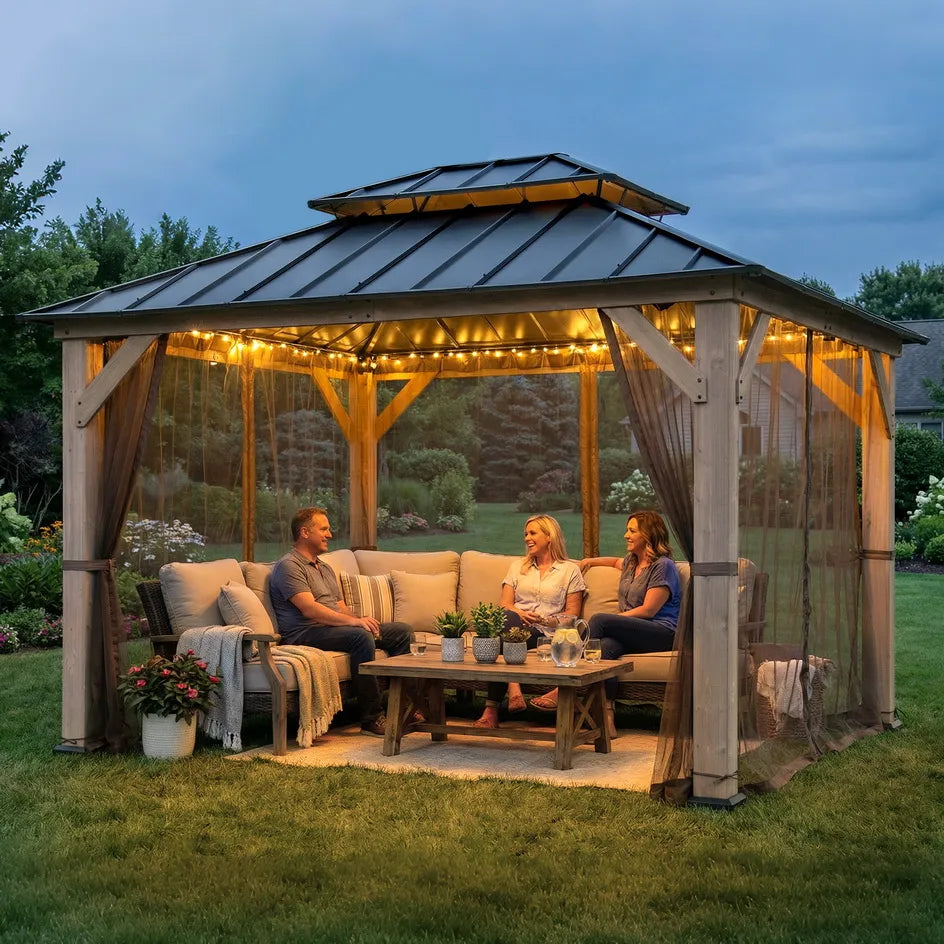
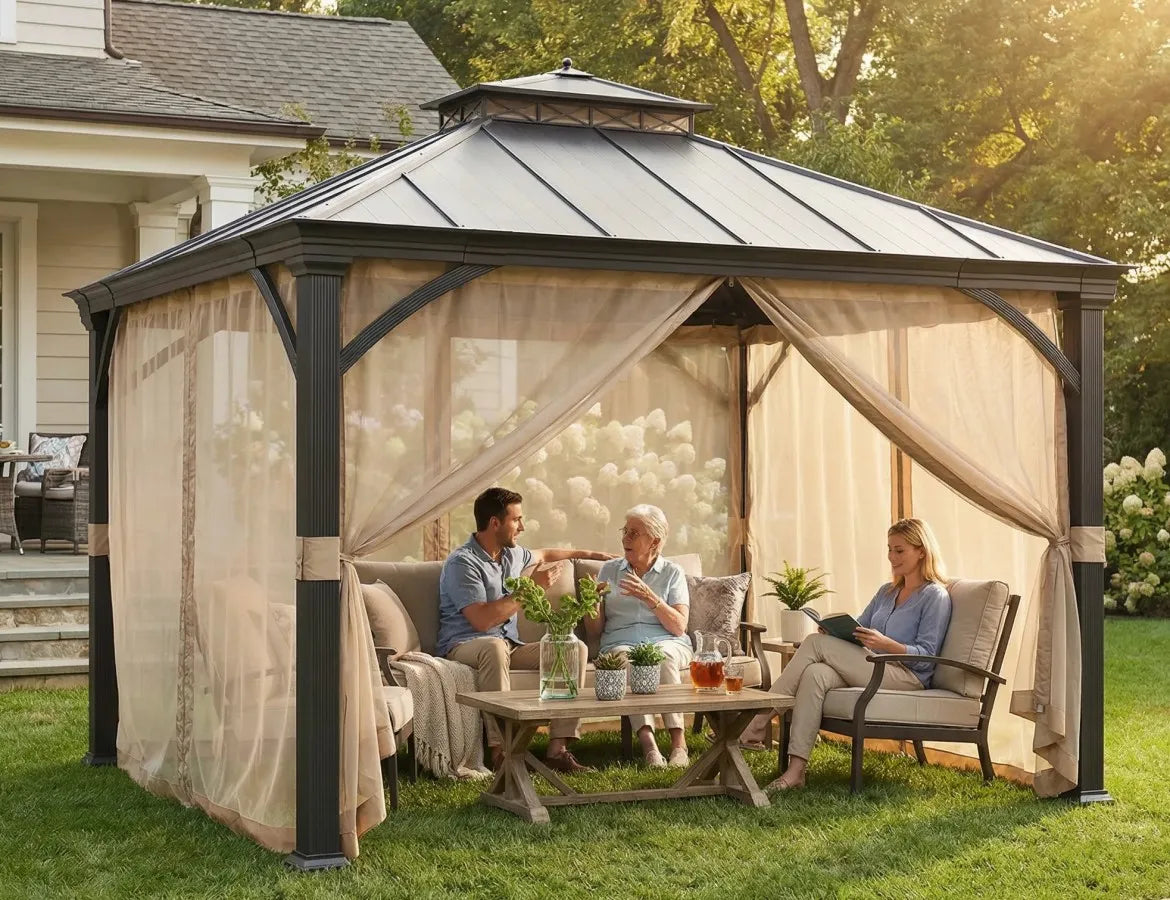
Before we begin folding any gazebo tent, we always take a moment to understand its structure and materials. Different outdoor gazebo designs may include soft fabric tops or more permanent metal roofing systems. For example, in our product range, models like the metal hardtop gazebo with netting are designed for long-term installation rather than frequent folding. This type of outdoor gazebo uses an aluminum frame and a rigid top, which means disassembly—not folding—is the appropriate way to handle it when relocation is needed.
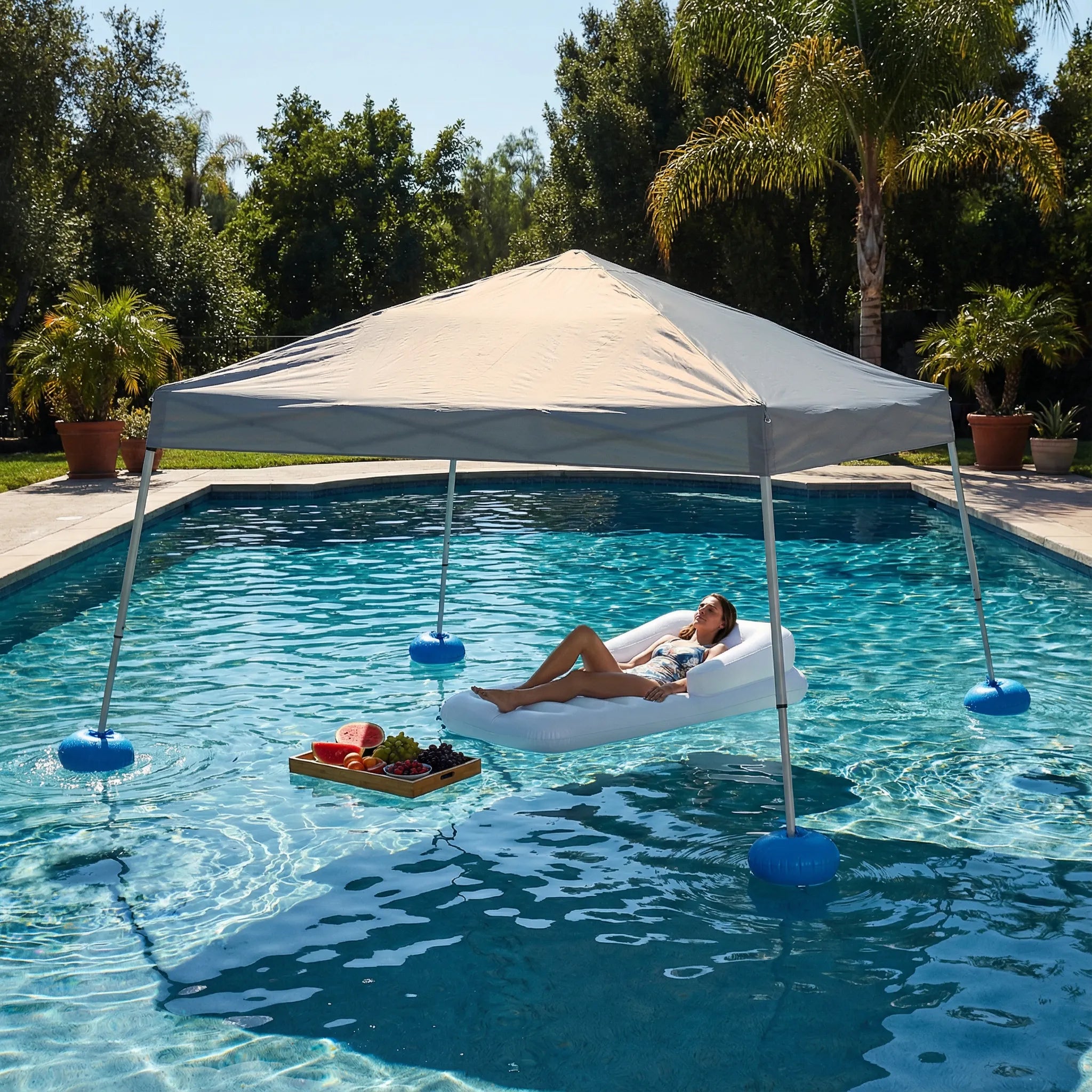
For more flexible gazebo tent designs, the frame is typically collapsible, but it still requires careful handling. We recommend checking all connection points and ensuring that no parts are forced during the process, as this helps preserve both structural stability and material integrity.
Step-by-Step Folding Process Without Damage
When folding a gazebo tent, we follow a consistent step-by-step process to avoid unnecessary wear. First, we remove any accessories such as sidewalls or netting to reduce tension on the frame. Then, we ensure the fabric is clean and dry, since folding a damp gazebo tent may affect the material over time.
Next, we gently collapse the frame by applying even pressure on all sides. For any outdoor gazebo with a pop-up mechanism, it is important to avoid pulling one side more than the other. Balanced movement helps prevent frame distortion. Once collapsed, we fold the fabric neatly along its natural seams instead of forcing sharp creases, which supports long-term durability.
Storage Tips to Maintain Quality
Proper storage plays a key role after folding a gazebo tent. We suggest placing the folded unit in a dry, well-ventilated area to protect both fabric and frame components. For any outdoor gazebo, avoiding prolonged exposure to moisture during storage helps maintain material quality.
For customers who use more permanent structures, such as our 11x13 metal hardtop aluminum gazebo with netting, we recommend seasonal inspection rather than folding. This style of outdoor gazebo is built for stability, offering strong load-bearing capacity, durable aluminum construction, and a design that balances functionality with outdoor aesthetics. In these cases, maintenance replaces the need for frequent handling.
Conclusion
Folding a gazebo tent correctly comes down to understanding the structure, following a careful process, and storing it properly. Whether using a portable outdoor gazebo or a more permanent installation, we always encourage a thoughtful approach to handling and maintenance. By doing so, we can extend the usability of each gazebo tent while preserving its material quality, ensuring that outdoor spaces remain comfortable and enjoyable over time with SUNJOY.
Leave a comment
This site is protected by hCaptcha and the hCaptcha Privacy Policy and Terms of Service apply.