

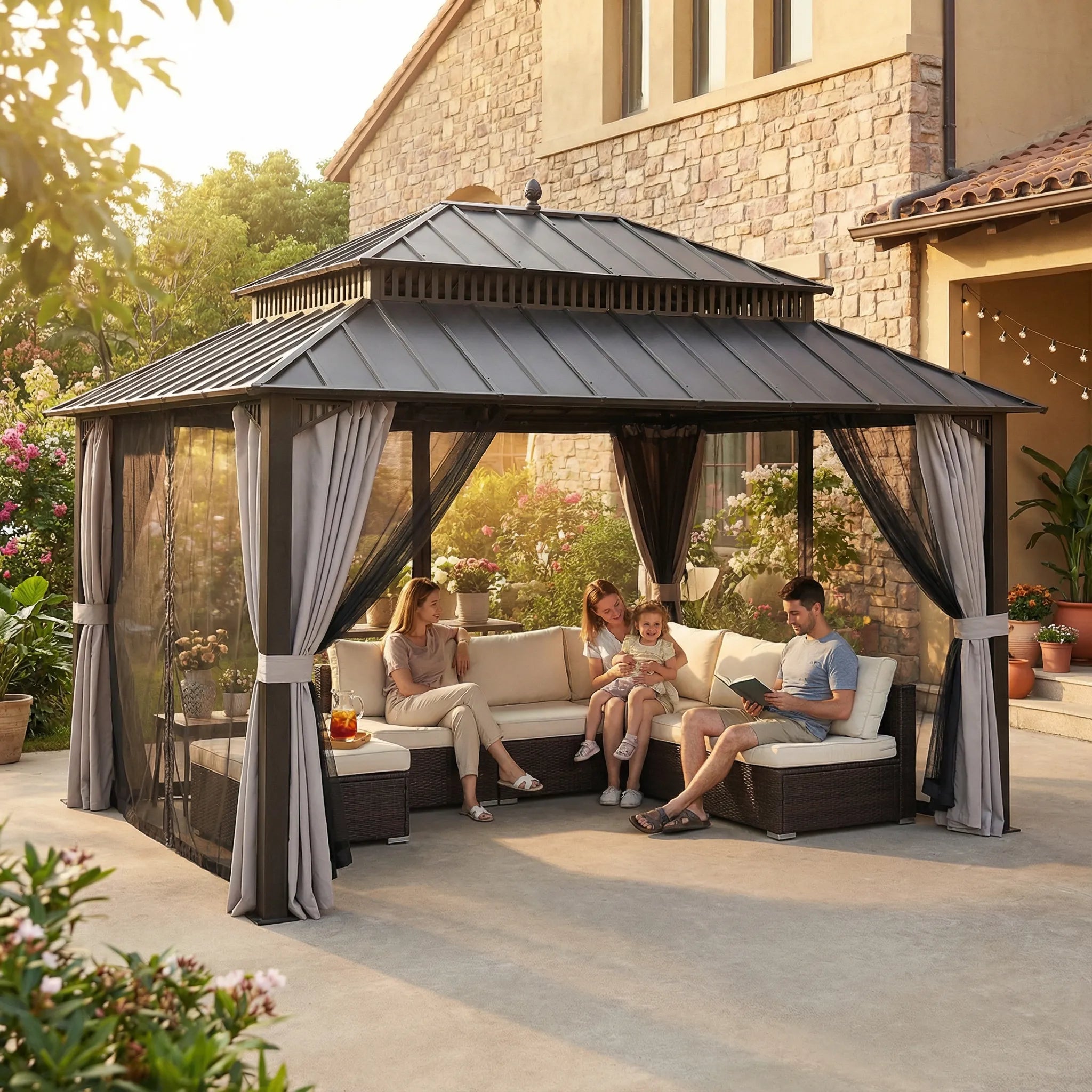
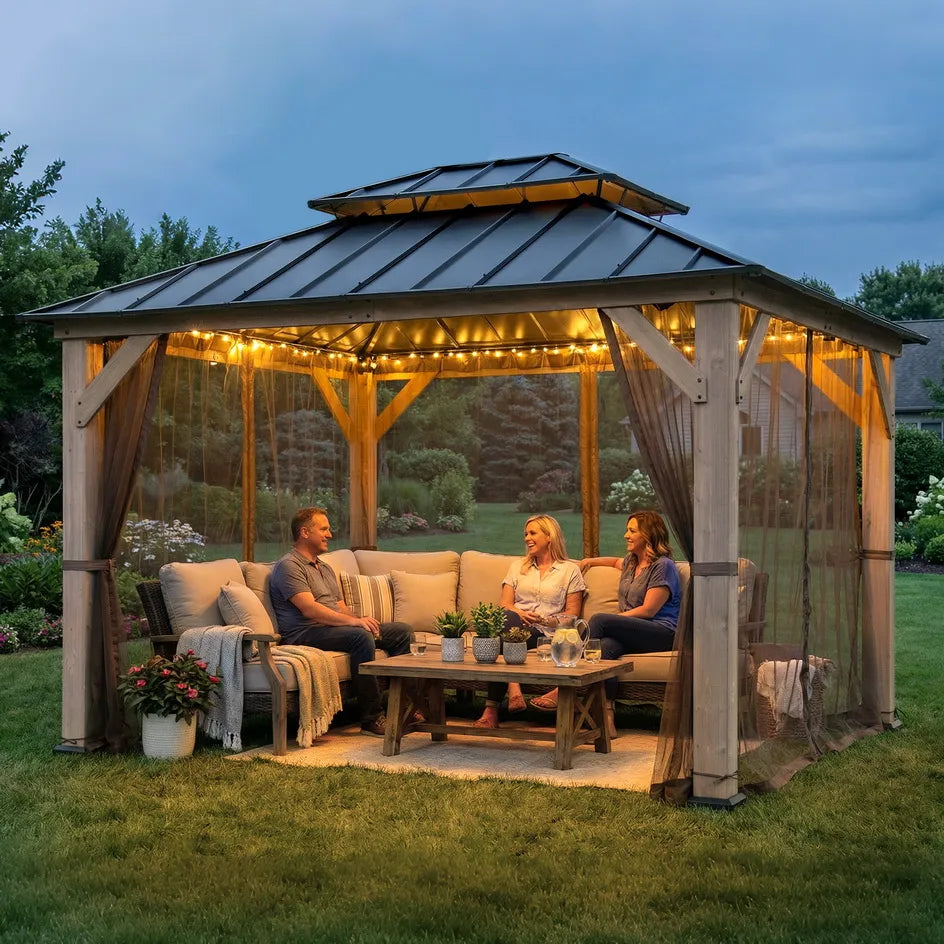
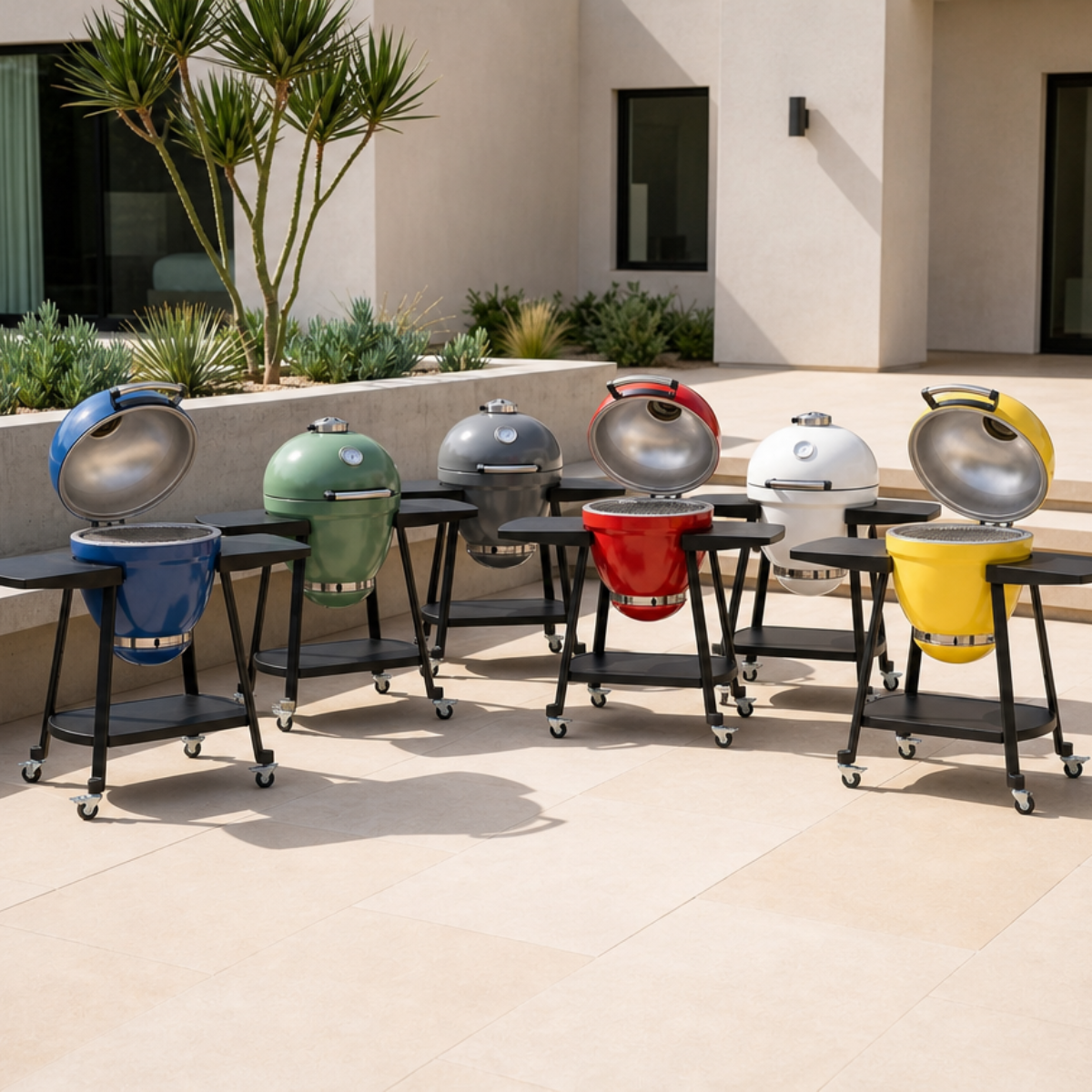
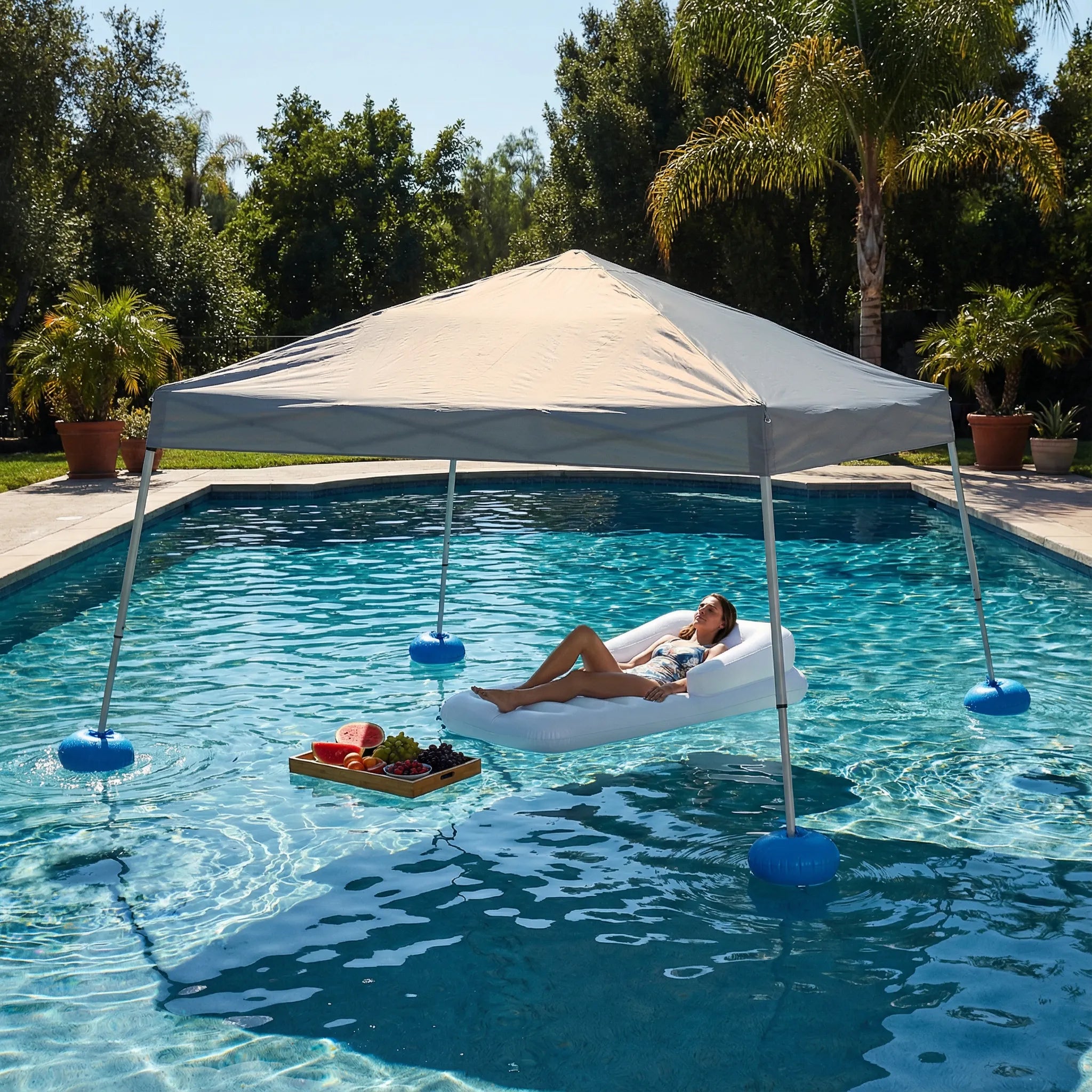
A portable grill tent can make outdoor cooking more comfortable by providing shade and helping organize the grilling area, but proper folding and storage are essential for keeping it ready for the next use. At SUNJOY, we believe outdoor equipment should be cared for as carefully as it is selected. Whether we use a temporary grill tent or another portable grill shelter, following the correct takedown and storage process can help protect its fabric, frame, and moving parts.
Let the Grill Tent Cool and Clear the Area First
Before touching the grill tent, we should make sure the cooking area is safe. Turn off the grill according to its manufacturer's instructions and allow it to cool completely. Remove food, utensils, fuel containers, and other items from the shelter before beginning the takedown process.
We should never rush to collapse a grill tent immediately after cooking. Heat, grease, and food residue can affect nearby surfaces, while a cluttered area can create tripping hazards during disassembly. Clearing the space also makes it easier to inspect the structure before folding it.
Safety requirements vary by product and location. We should always follow the grill manufacturer's instructions, the shelter manufacturer's instructions, and applicable local fire or building rules. The National Park Service, for example, publishes fire-safety requirements for outdoor events that restrict grills under overhangs and near structures. This illustrates why a grill tent should always be used according to its intended design and safety guidance.
Remove Accessories Before Folding the Grill Gazebo
The next step is to remove any detachable accessories. Depending on the design, these may include side shelves, hooks, lighting, storage pockets, sidewalls, or other attachments. Small items should be collected and stored separately so they do not become lost or damaged during transport.
If the grill tent is anchored with stakes, weights, or other securing devices, remove them only after the frame is stable and ready to be folded. Keep stakes and small hardware together in a labeled bag or designated compartment. This can make the next setup faster and reduce the risk of missing components.
Release the Frame Slowly and Work With a Partner
Some portable shelters are designed to be easier to collapse with two people, so follow the manufacturer's recommendations for the required number of people. A common takedown method for pop-up grill canopies involves releasing the locking mechanisms, lowering the legs, and gradually bringing the frame inward from opposite sides.
For example, one grill gazebo user guide instructs users to remove accessories and stakes, release the canopy locks, retract telescoping sections, and have two people bring the legs together while keeping the frame slightly off the ground. The same guide warns users to be careful around moving frame connections.
We should never force a frame closed. If one side resists movement, stop and check for a locked button, twisted fabric, trapped strap, or accessory that has not been removed. Forcing the mechanism may bend metal parts, damage joints, or tear the canopy.
Keep fingers away from scissor joints, hinges, and other moving connections. As the structure becomes smaller, pinch points can become more difficult to see. Moving slowly and keeping both sides of the frame aligned can help the grill tent fold evenly.
Clean and Dry the Canopy Before Storage
One of the most important storage rules is simple: do not pack the canopy while it is wet or damp. Moisture trapped inside folded fabric can encourage mildew, staining, and unpleasant odors. Care instructions for pop-up grill gazebos commonly recommend allowing the canopy to dry completely before it is returned to its storage bag.
If the canopy is dusty or marked with ordinary outdoor dirt, clean it according to the manufacturer's instructions. A mild soap solution and soft cloth are commonly recommended for compatible canopy fabrics. Harsh detergents, bleach, abrasives, machine washing, and tumble drying can damage certain materials or finishes.
Before packing, check the corners, seams, straps, and attachment points. Removing leaves, grease splashes, and debris now is easier than discovering them months later. A quick inspection can also reveal loose fasteners or damaged components that should be addressed before the next grilling session.
Store the Portable Grill Tent in a Dry Location
A clean, dry storage area is usually preferable to leaving a portable grill tent exposed outdoors between uses. We recommend using the original storage bag when available because it is designed to hold the product and its components together.
Choose a location protected from standing water, persistent moisture, and unnecessary physical impact. Avoid placing heavy boxes on top of the folded shelter, particularly where they could bend frame sections or damage the canopy.
It is also useful to inspect the stored grill tent before the next season. Check for moisture, corrosion, mildew, damaged fabric, or missing hardware. A short maintenance check before setup can help prevent unexpected problems when it is time to grill again.
A Hardtop Grill Gazebo Requires Different Care
Not every grill shelter is designed to fold into a storage bag. Hardtop models are generally more permanent outdoor structures, so their care focuses on routine cleaning, inspection, and maintenance rather than seasonal folding.
Our SUNJOY Rochdale Grill Gazebo with Shelves and Hooks, 7x9, is a steel hardtop structure rather than a collapsible portable tent. It features a two-tier roof designed to promote air circulation, along with a ceiling hook, practical hooks, and storage shelves for keeping outdoor essentials organized.
Proper Storage Helps Extend Outdoor Enjoyment
Correctly folding and storing a grill tent starts with patience: clear the cooking area, remove accessories, release the frame carefully, clean every component, and make sure the canopy is completely dry before packing it away. We should also follow the specific instructions supplied with each model because folding systems and materials vary.
For homeowners who prefer a permanent grilling area instead of repeated setup and storage, a dedicated hardtop grill gazebo may be a practical alternative. At SUNJOY, we offer outdoor solutions designed around different ways of enjoying the backyard, helping us create organized, comfortable spaces for outdoor cooking and gathering.
Leave a comment
This site is protected by hCaptcha and the hCaptcha Privacy Policy and Terms of Service apply.