

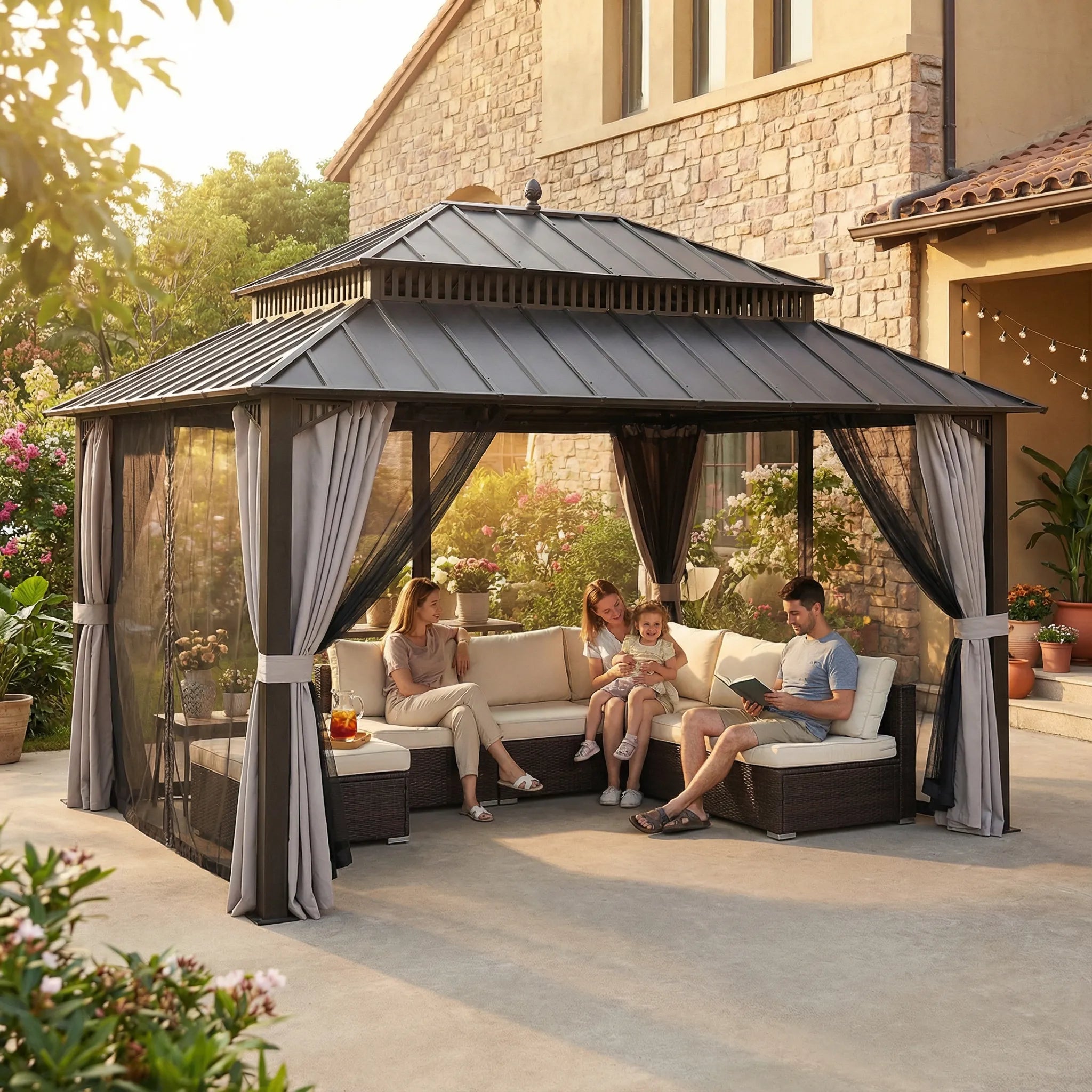
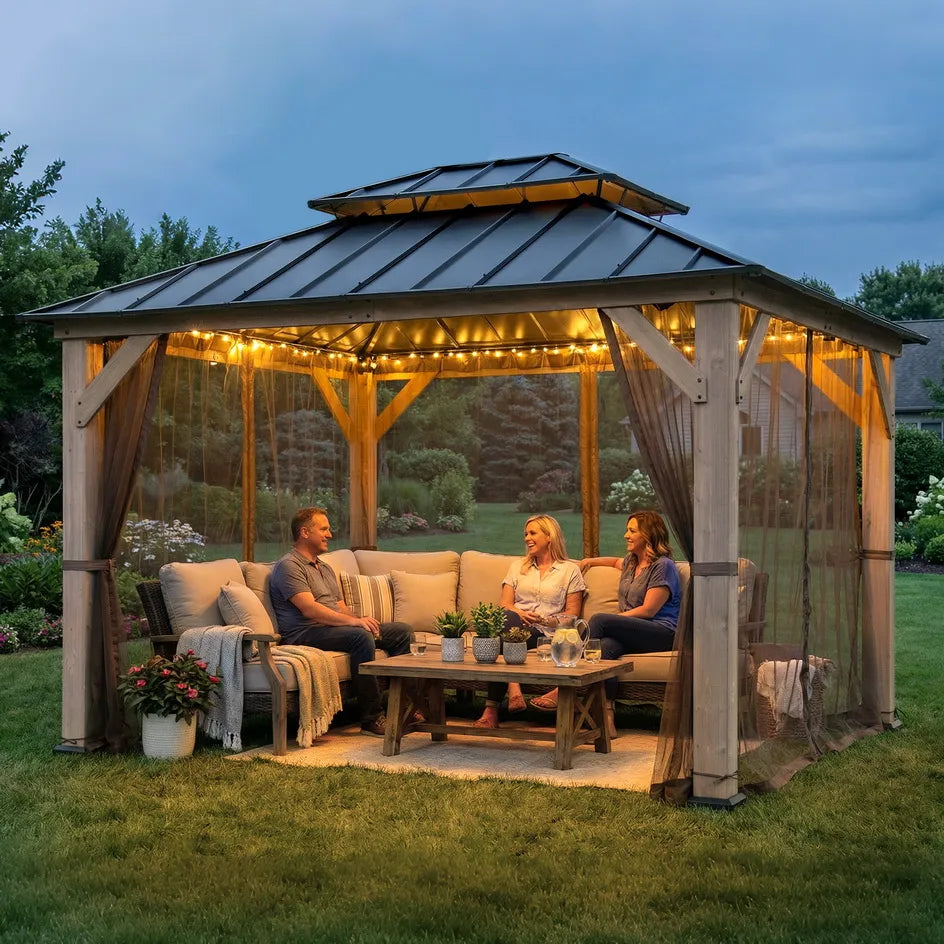
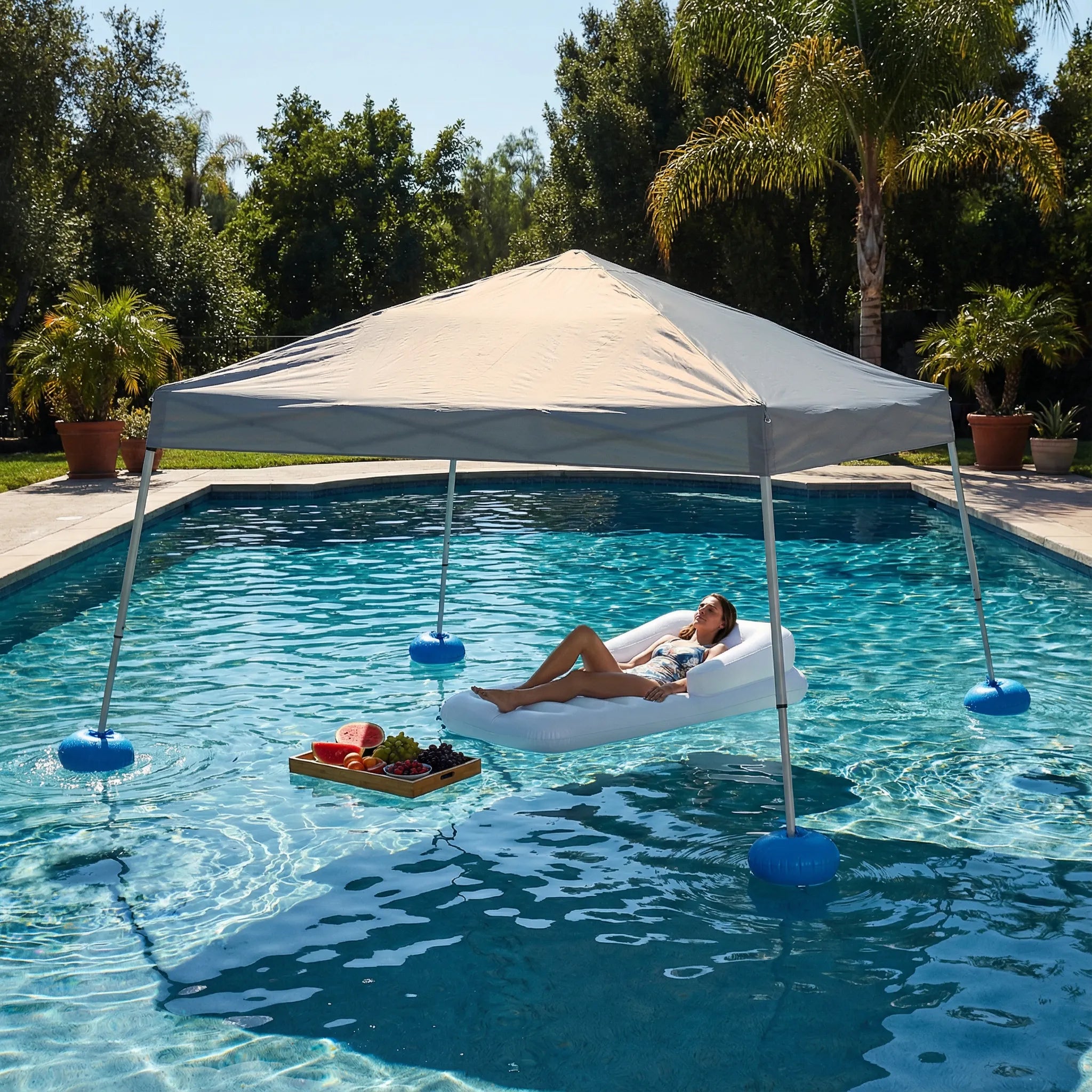
Netting adds useful insect protection, but it also adds fabric that can trap moisture or twist inside a folding frame. During dismantling, Pop up Gazebo should be handled in a deliberate order so canopy, mesh, hardware, and structure remain complete. The process is built around packing a pop-up gazebo with netting without trapping moisture, twisting mesh.
Or stressing the folding frame. As we reconsider principal risks, several details can quietly weaken the scheme, including closing the frame around attached fabric, forcing damp netting into the bag, losing fasteners, or storing weight on top of the canopy. When we test principal risks, our review concentrates on canopy condition, mesh panels, zippers, ties.
Frame joints, anchors, carry bag, drying area, and final storage shelf, then compares those conditions with the intended routine. If fabric components are removed, cleaned, dried, folded separately, and labeled before the frame is folded, the plan has a workable foundation; if not, adjusting the footprint or format is more responsible than forcing the original concept.
Remove and Dry Fabric Before Folding the Frame
At SUNJOY, a netted gazebo is stored as a complete system. Choices across tool-free folding gazebos for backyard gatherings, camping, markets, beach days, tailgating, and sports events are judged against usable footprint, packed size, surface, stakes or weights, forecast, guest layout, venue rules, and safe setup sequence.
Removing dry fabric before folding the frame protects the mesh, the joints, and the next setup at the same time. For netted pop-up storage process, usable space and nominal space are rarely identical. When we relate site measurements to the household routine, posts, roof projection, operating clearance, drainage, furniture.
And the route from the house reduce or reshape the area available. After we set site measurements beside the measured need, we map those limits before recommending a size, because a packed system that is complete, dry, and ready for the next setup is governed by the whole arrangement instead of the label on the box.
If we let technical details guide the choice, we apply the intended format as a practical filter by checking usable and packed size, folding-frame condition, canopy and panel material, stakes or weights, guy lines, venue rules, transport, setup sequence, and the forecast.
After we check technical details against real use, in this category, our portable frames, carry bags, UV-protective and water-resistant canopy fabrics, and optional side panels or zippered netting support temporary light-weather use. When we consider technical details in context, that background guides the comparison.
But the deciding evidence remains whether the selected configuration can support repeatable temporary insect screening and shade on this particular site. The representative day is a better test for netted pop-up storage process than the installation photograph. When we relate everyday movement to the household routine, we follow entry and exit routes.
Seating or parking movements, access to controls and storage, and the tasks that happen before and after use. After we set everyday movement beside the measured need, the layout works when fabric components are removed, cleaned, dried, folded separately, and labeled before the frame is folded, with no important route sacrificed for coverage.
Pack Mesh, Hardware, and Structure in Order
When we compare configuration choices with site conditions, returning to the available formats, we evaluate formats by the work they create as well as the space they provide. Once we map configuration choices onto the actual setting, delivery, foundations or weights, helpers, storage.
Local conditions, and future care can change the apparent value of a model. After we check setup requirements against real use, the preparation stage for netted pop-up storage process is where preventable errors are cheapest to correct. We evaluate delivered parts with the instructions.
Inspect the property, gather the specified tools, assign safe lifting or setup roles, and confirm power or anchoring needs. We frame the netted pop-up storage process around condition, exposure, frequency of use, and the maintenance required after each outing.
Canopies and panels should be cleaned, dried completely, inspected, folded carefully, and stored with all hardware in the carry bag. As we trace maintenance needs through setup and use, a short, repeatable inspection before and after demanding periods is more useful than cosmetic attention alone.
Especially when the item has been stored, transported, or exposed to changing weather. When we test operating limits, every format discussed under netted pop-up storage process has operating limits. If we prioritise operating limits, our position is reflected in this category principle.
We treat pop-up gazebos as temporary shelters: they should be secured for mild conditions and taken down for heavy rain, storms, or unsafe wind. We therefore monitor wind, heavy rain, standing water, fabric tension, frame joints, anchor security, safe takedown timing, complete drying, and storage condition.
Store the Gazebo as a Complete System
Value in netted pop-up storage process comes from repeated useful service, not price alone. When we consider total cost in context, we assess what the property needs before installation, what ownership will demand afterward, and whether accessories or replacement parts are likely.
We close the product review with pop up gazebo with netting by following each component into storage. Canopy, mesh, ties, zippers, stakes, weights, frame, and carry bag must be clean, dry, accounted for, and packed without compression damage.
Our recommendation for netted pop-up storage process gives essential performance priority over optional styling. When we consider core performance in context, the selected arrangement should first support repeatable temporary insect screening and shade; finishes, curtains, lighting, storage accessories.
Or other additions can follow only when they are compatible with the configuration. Proper storage keeps a netted gazebo complete, dry, and ready. Separating fabric from the folding frame, protecting zippers and mesh, and accounting for every small part makes the next setup noticeably easier.
Leave a comment
This site is protected by hCaptcha and the hCaptcha Privacy Policy and Terms of Service apply.