

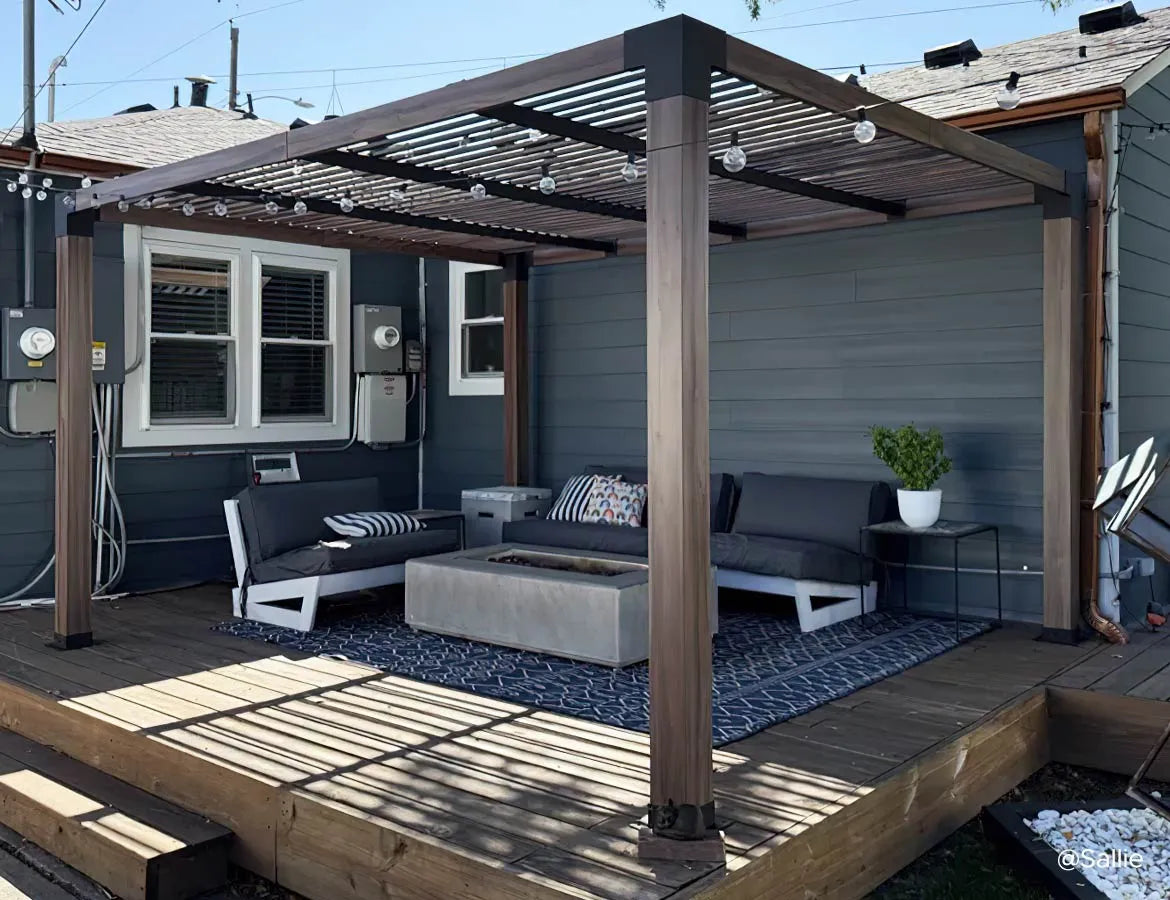
For years, outdoor living trends were driven by appearance. Stylish furniture, statement pergolas, and social-media-ready patios dominated inspiration boards. But today, homeowners across the US are asking a different question:
“Will I actually use this space—comfortably and often?”
This shift has changed how outdoor spaces are designed. The latest outdoor living trends no longer focus on visual impact alone. Instead, they prioritize comfort, functionality, and everyday practicality—turning backyards into spaces people genuinely rely on, not just admire.
This article explores the key outdoor living trends shaping American homes today, and why these changes are happening now.
The Core Trend: Designing for Daily Use, Not Occasional Entertaining
The most important trend isn’t a product—it’s a mindset.
Outdoor spaces are no longer treated as “bonus areas” used a few weekends a year. They are now expected to support:
Weeknight dinners
Remote work breaks
Quiet mornings and solo relaxation
Family gatherings without weather stress
Design choices are shifting accordingly. Comfort and reliability matter more than novelty.
Trend 1: Weather Protection That Doesn’t Feel Enclosed
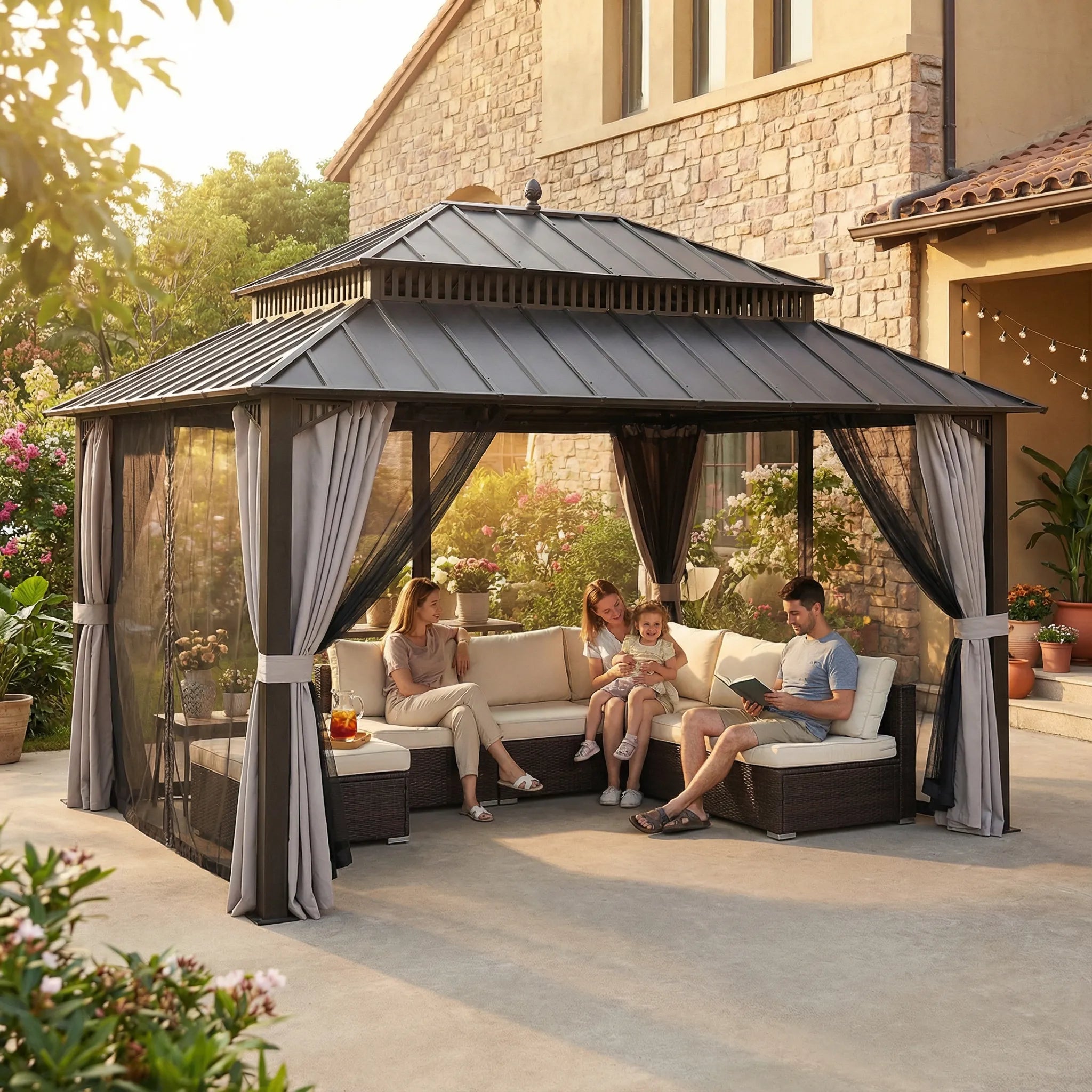
Homeowners want protection from sun, wind, and light rain—without sacrificing openness.
This has driven demand for:
Hardtop gazebos with proper ventilation
Pergolas with adjustable or retractable canopies
Structures that provide shade and shelter without closing off airflow
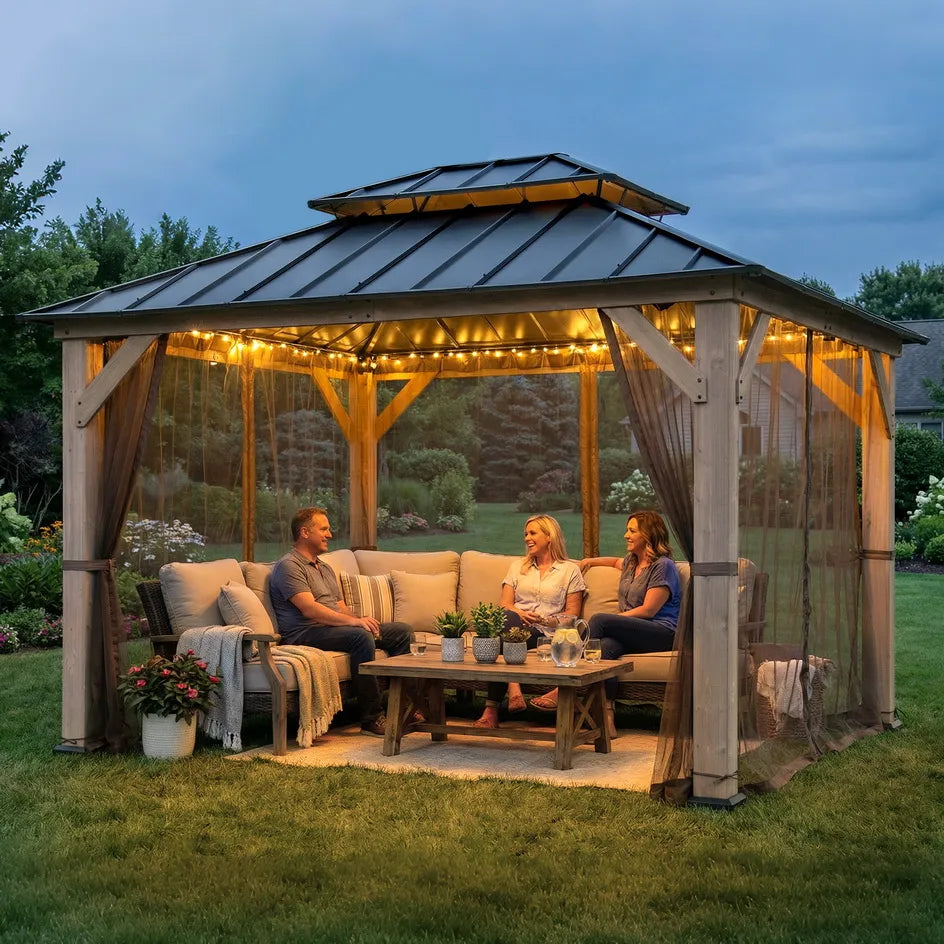
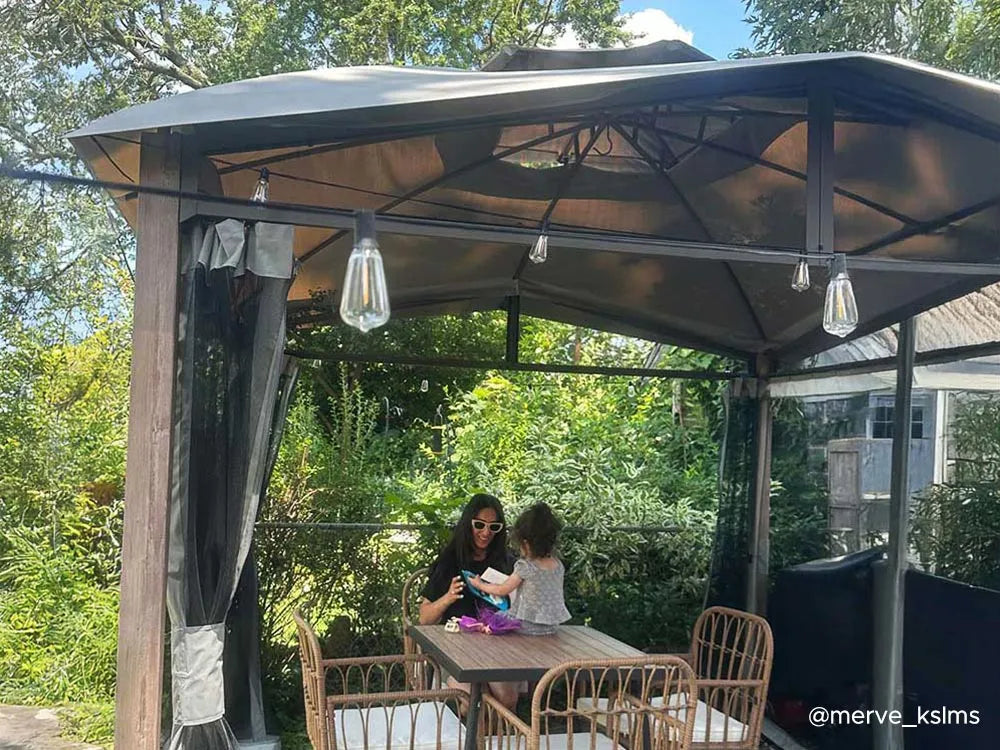
Instead of choosing between “open” or “covered,” people want flexible coverage. This is why structures that allow partial enclosure—through netting, curtains, or adjustable roofs—are becoming standard.
Brands like SUNJOY reflect this shift by designing outdoor structures that balance airflow with protection, making spaces usable across more days of the year.
Trend 2: Comfort That Extends Beyond Summer
Comfort used to mean shade. Today, it means temperature control across seasons.
More homeowners are planning outdoor spaces that stay comfortable when evenings cool down or seasons change. This includes:
Fire pits or outdoor fireplaces for radiant warmth
Wind-blocking structures that reduce heat loss
Seating arrangements designed to retain warmth
Rather than abandoning the yard after summer, homeowners are extending usability into spring and fall—sometimes even winter.
Trend 3: Defined Zones Replace Open, Undefined Patios
One of the biggest practical shifts in outdoor design is space zoning.
Instead of one open patio trying to do everything, homeowners now define clear areas for:
Dining
Lounging
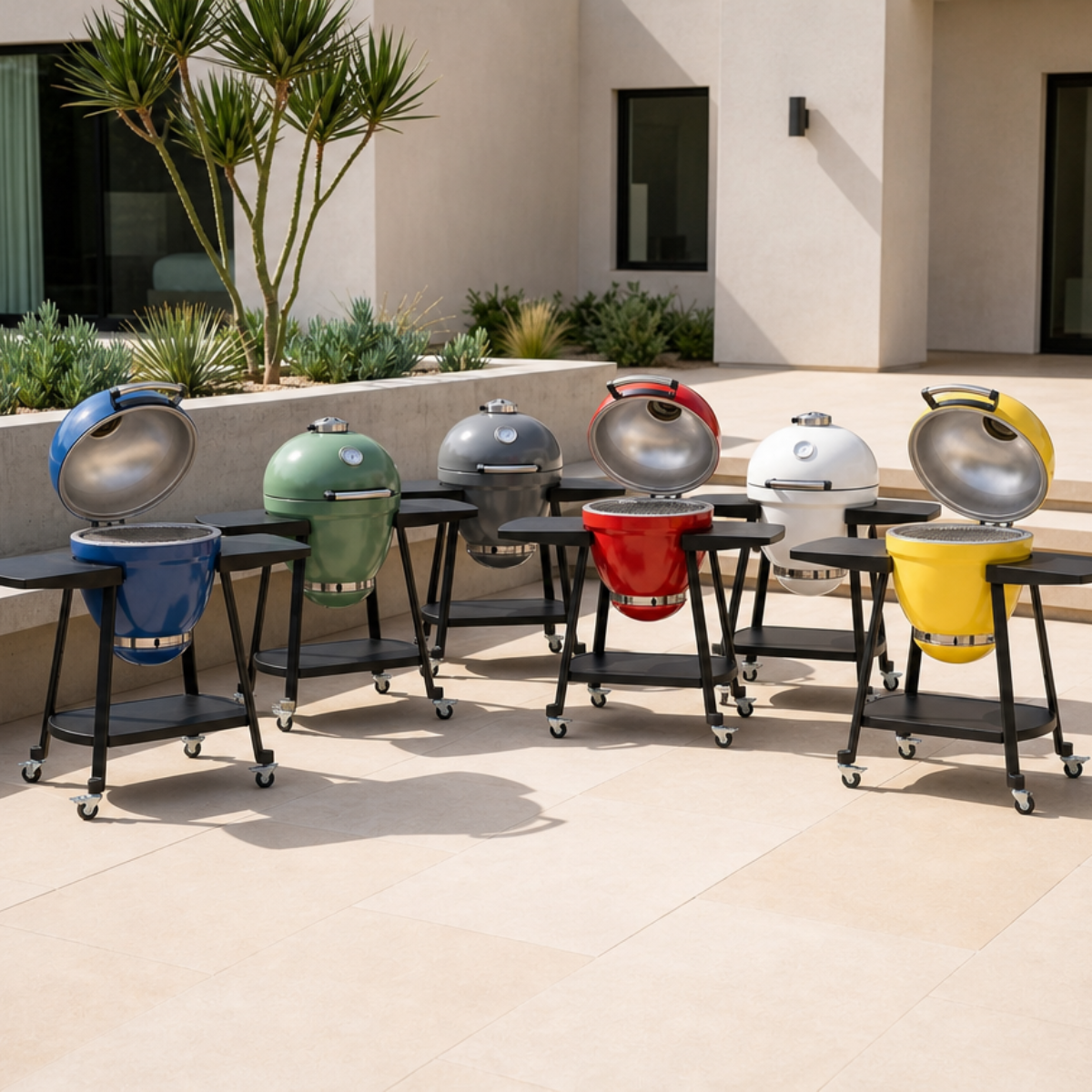
Cooking or grilling
Relaxation or solo time
Structures like gazebos and pergolas help create these zones visually and functionally, without adding walls or permanent construction.
This approach improves comfort because each area is designed around a specific activity, rather than compromising across many.
Trend 4: Low-Maintenance Materials Are No Longer Optional
Practicality means reducing upkeep.
Outdoor living trends increasingly favor:
Powder-coated metal frames
Aluminum or steel roofing
Durable finishes that resist rust, fading, and moisture
Homeowners are choosing materials that look good and age well, even in changing weather conditions.
The appeal is simple: comfort isn’t just physical—it’s also peace of mind. Less maintenance means fewer interruptions to enjoyment.
Trend 5: Integrated Features That Reduce Clutter
Another comfort-driven trend is integration.
Instead of adding accessories later, homeowners now expect outdoor structures to support:
Built-in ceiling hooks for lights or heaters
Pre-planned curtain or netting tracks
Compatibility with lighting and heating elements
Integrated features reduce the need for temporary fixes and visual clutter, keeping spaces clean and functional.
This approach reflects a broader design shift: outdoor spaces are being treated with the same intentional planning as indoor rooms.
Trend 6: Seating That Encourages Longer, More Relaxed Use
Comfortable seating is no longer just about cushions—it’s about how people sit, move, and stay.
Current trends favor:
Deep seating for relaxed posture
Swivel or flexible chairs that adapt to conversation
Seating positioned around warmth and shelter
The goal isn’t maximizing seating count—it’s encouraging people to stay outside longer without discomfort.
Trend 7: Lighting Designed for Atmosphere, Not Brightness
Practical outdoor lighting today focuses on visibility and mood, not floodlighting.
Homeowners prefer:
Warm, indirect lighting
Overhead lights under gazebos or pergolas
Focused lighting near seating and dining areas
Good lighting extends usability into evenings while maintaining a calm, inviting atmosphere—an essential part of comfort.
Trend 8: Privacy Without Isolation
Comfort also includes emotional comfort.
Rather than tall fences or full enclosures, homeowners are choosing:
Curtains or screens that can be opened or closed
Partial privacy walls
Strategic placement of structures
This allows outdoor spaces to feel protected without feeling cut off from the surroundings.
Why Comfort and Practicality Are Driving These Trends Now
Several forces are converging:
More time spent at home
Increased focus on mental well-being
Desire for flexible, multi-use spaces
Awareness of long-term value over short-term style
Outdoor spaces are expected to earn their place in daily life, not just look appealing in photos.
How SUNJOY Aligns with These Trends
SUNJOY’s outdoor living products reflect this shift toward everyday usability by focusing on:
Durable, weather-ready structures
Flexible designs that adapt to different conditions
Integrated features that simplify setup and use
Rather than chasing short-term design trends, the emphasis is on creating outdoor solutions that remain comfortable, practical, and relevant over time.
The New Definition of Outdoor Living Success
The most successful outdoor spaces today share three traits:
- They are comfortable enough to use often
- They are practical enough to require minimal effort
- They adapt to changing weather and routines
When these needs are met, outdoor living becomes part of everyday life—not an occasional event.
Final Thought: Comfort Is the New Luxury
In modern outdoor living, luxury isn’t about excess—it’s about ease.
A truly well-designed outdoor space:
Welcomes you without preparation
Supports your routine without effort
Adapts to weather without frustration
As outdoor living trends continue to evolve, one thing is clear: comfort and practicality aren’t optional features anymore—they are the foundation of how people choose to live outside.

Leave a comment
All comments are moderated before being published.
This site is protected by hCaptcha and the hCaptcha Privacy Policy and Terms of Service apply.