

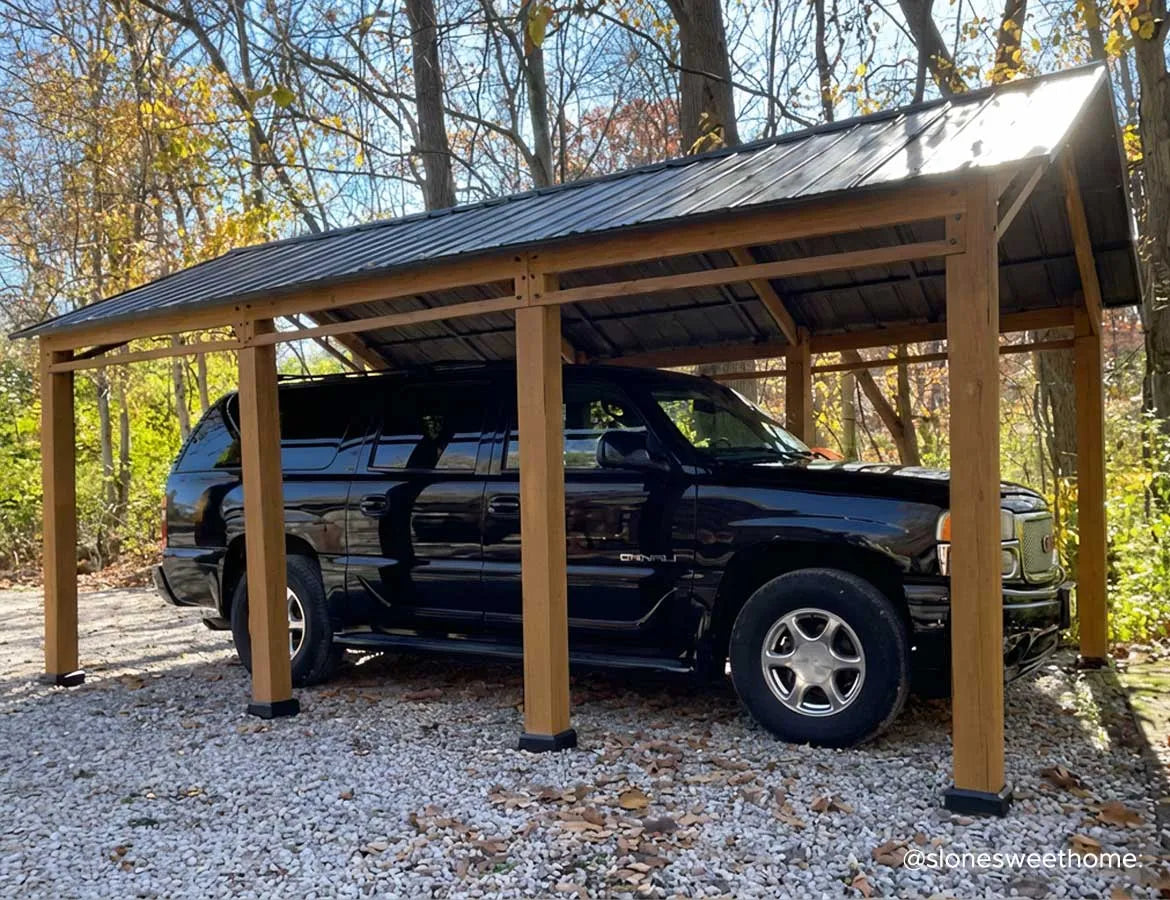
When homeowners start shopping for a carport, the conversation usually begins with size, material, or price. But one decision quietly shapes everything else—roof design.
Gable roof carports and flat roof carports may look like a simple style choice. In reality, the roof shape affects strength, drainage, weather performance, maintenance needs, and long-term comfort.
So which design is actually better for your home?
The honest answer is: it depends on how and where you plan to use it. This guide breaks down the real differences—without marketing fluff—so you can make a confident decision.
Quick Answer First: Gable Roof vs Flat Roof Carport
Gable roof carports generally perform better in rain, snow, and high-wind conditions.
Flat roof carports offer a cleaner, modern look and can work well in mild climates or sheltered locations.
The “better” option depends on weather exposure, maintenance tolerance, and visual preference.
Understanding why these differences exist is the key to choosing correctly.
Why Roof Design Matters More Than Most Buyers Expect
A carport roof does more than provide shade. It controls how forces move through the structure.
Roof design directly affects:
How rain and snow drain
How wind pressure is distributed
How much stress reaches posts and anchors
How often maintenance is required
Two carports made of the same material can perform very differently simply because of roof geometry.
Understanding the Structural Difference
Gable Roof: Strength Through Geometry
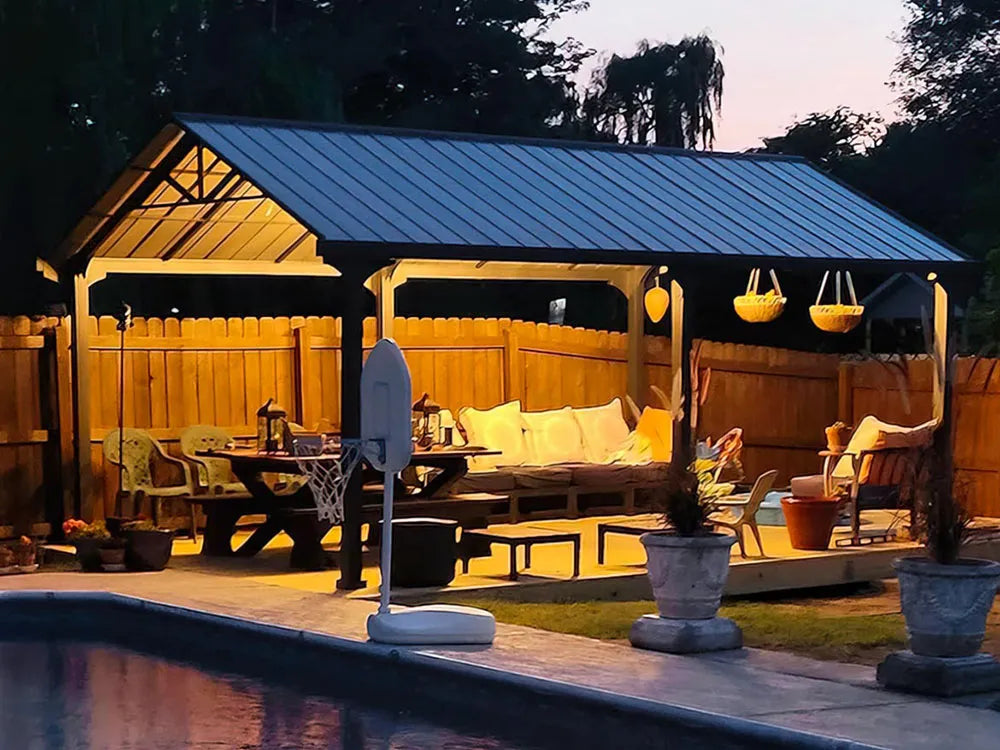
A gable roof uses two sloped panels meeting at a ridge. This triangular shape is one of the most stable forms in construction.
Key structural advantages:
Better load distribution: Weight travels down the slopes into the posts.
Natural drainage: Rain and snow slide off instead of sitting on the roof.
Reduced wind uplift: Wind flows over the peak rather than pushing directly upward.
This is why gable roofs are common in residential homes and permanent outdoor structures.
Flat Roof: Minimalism With Trade-Offs
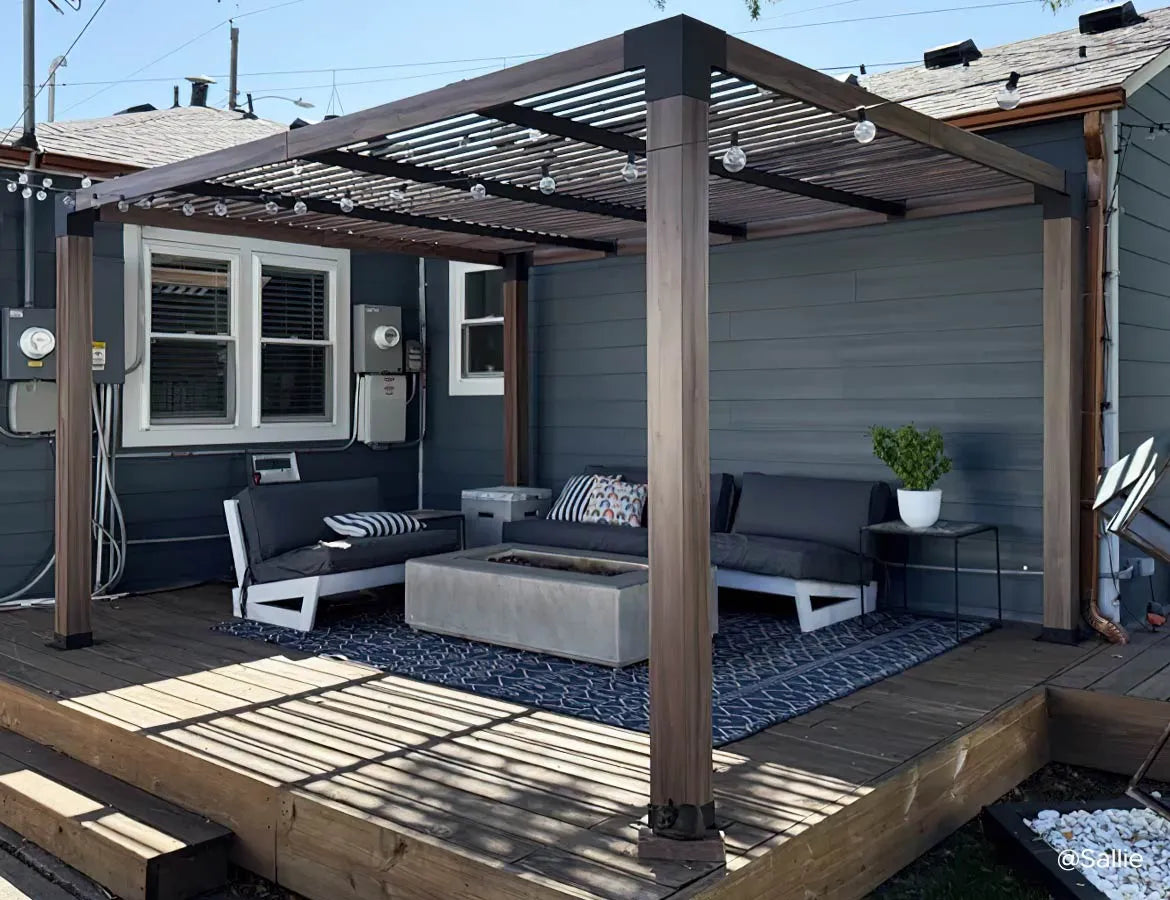
Flat roof carports are not completely flat—they usually include a slight pitch for drainage. However, they still behave differently under load.
Key characteristics:
Modern, low-profile appearance
Simpler visual integration with contemporary homes
Greater reliance on material thickness and drainage design
Because snow and water remain on the roof longer, flat roofs depend heavily on proper slope, quality materials, and regular inspection.
Weather Performance: What Matters Most in Real Life
Rain and Water Drainage
Gable roofs shed water quickly and naturally.
Flat roofs require well-designed drainage to prevent pooling.
For areas with frequent storms, fast drainage reduces corrosion and long-term wear.
Snow Load and Winter Conditions
Even in parts of the US with occasional snow, uneven accumulation can stress a roof.
Gable roofs split snow across two planes and encourage sliding.
Flat roofs hold snow longer, increasing static load.
This doesn’t mean flat roofs fail—but they demand more attention after storms.
Wind Exposure
Wind doesn’t just push sideways—it creates lift.
Gable roofs deflect wind up and over the structure.
Flat roofs experience more direct uplift force.
In open or elevated locations, this difference becomes more noticeable.
Maintenance: The Hidden Cost Factor
When comparing designs, maintenance often matters more than upfront price.
Gable Roof Maintenance Profile
Less debris buildup
Fewer drainage issues
Snow and water shed naturally
Flat Roof Maintenance Profile
Requires regular drainage checks
More sensitive to installation accuracy
Debris and standing water need monitoring
If you prefer a “set it and forget it” structure, gable roofs usually demand less ongoing effort.
Visual Style: Matching Your Home Matters Too
Design isn’t just functional—it’s emotional.
Gable Roof Carports Look Best With:
Traditional or suburban homes
Homes with pitched roofs
Backyards where height isn’t restricted
Flat Roof Carports Look Best With:
Modern or minimalist architecture
Homes with flat or low-slope rooflines
Spaces where a low visual profile is preferred
The right choice should feel intentional, not added on.
Use Case Matters More Than Design  Trends
Ask how you plan to use the carport:
Daily vehicle protection year-round?
→ Gable roof often performs better.
Occasional shade or seasonal use?
→ Flat roof can be sufficient.
Multi-purpose use (storage, gatherings, workspace)?
→ Gable roof offers better clearance and airflow.
How SUNJOY Approaches Carport Roof Design
Rather than treating roof shape as a styling choice, SUNJOY designs carports as full systems:
Roof geometry aligned with load paths
Frames engineered to support the roof type
Anchoring systems matched to expected forces
This system-based approach helps ensure that both gable and flat roof designs perform as intended in real-world conditions.
A Simple Decision Checklist
Choose a gable roof carport if:
You want better all-weather performance
You prefer lower maintenance
Snow or heavy rain is a concern
Choose a flat roof carport if:
You prioritize modern aesthetics
Your site is sheltered
You’re comfortable with light maintenance
Final Verdict: There’s No “One-Size-Fits-All” Answer
So—which design is better for your home?
A gable roof carport is usually the safer, more forgiving choice for long-term durability and weather resistance.
A flat roof carport can be the right option when design harmony and simplicity matter most.
The best decision comes from matching roof design to climate, lifestyle, and expectations, not just appearance.
When chosen thoughtfully, either option can protect your vehicle and enhance your outdoor space for years to come.
Leave a comment
All comments are moderated before being published.
This site is protected by hCaptcha and the hCaptcha Privacy Policy and Terms of Service apply.