


When homeowners shop for outdoor structures—gazebos, pergolas, carports, or pavilions—the first comparison is almost always price. Entry, mid, and premium tiers are often treated as simple budget levels.
But in real life, tier choice is not about spending more or less—it’s about whether a structure can survive how you actually use it and the climate it lives in.
Many outdoor structure “failures” happen not because the product is poorly made, but because it was placed in the wrong tier for the job. A light seasonal structure asked to handle year-round exposure will disappoint every time.
This guide reframes the decision around real use, real weather, and real ownership costs, so you can choose a tier that fits your life—not just your initial budget.
Start With the Truth: Outdoor Structures Are Not Used Equally
Before comparing tiers, it’s important to recognize a key reality:
Most homeowners don’t use outdoor spaces the way they think they will.
Some spaces are used:
Daily or multiple times a week
Across several seasons
As part of everyday routines
Others are used:
Only in peak summer
For occasional gatherings
When weather conditions are ideal
The correct tier depends entirely on which category your space falls into.
A Better Way to Think About Tiers: Load, Exposure, and Time
Instead of “entry vs premium,” think in three forces every structure faces:
Load – wind, snow, roof weight, hanging accessories
Exposure – sun, rain, temperature swings, moisture
Time – how many months per year it stays installed
Tiers exist to handle different combinations of these forces.
Entry Tier: Light-Duty Structures for Light-Duty Living
What Entry Tier Is Actually Designed For
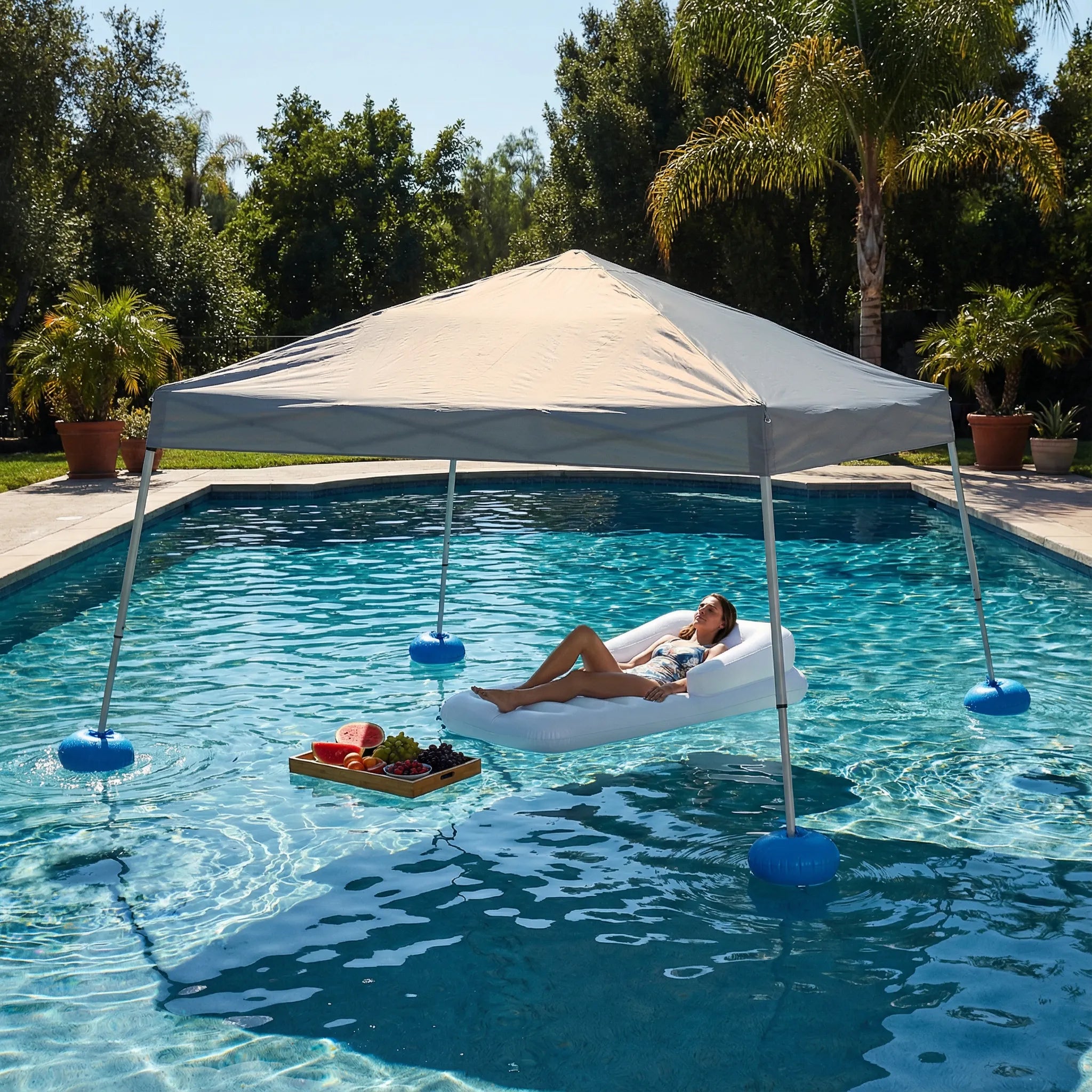
Entry-tier outdoor structures are built to provide basic function with minimal complexity. They prioritize affordability and ease of setup over long-term resilience.
Typical characteristics include:
Lightweight metal frames
Simple anchoring systems
Fewer integrated components
These structures are not “weak”—they are intentionally optimized for short-term or seasonal use.
When Entry Tier Works Well
Entry tier is a good fit when:
Use is limited to warm, calm months
The structure is placed in a sheltered location
It can be taken down or adjusted seasonally
Expectations are focused on shade, not protection
In these scenarios, entry-tier structures deliver excellent value.
Where Entry Tier Commonly Fails
Problems arise when entry-tier structures are expected to:
Stay up year-round
Handle strong winds or storms
Carry snow load
Require little attention or adjustment
In these cases, failure isn’t a quality issue—it’s a tier mismatch.
Mid Tier: Designed for Regular Use and Mixed Conditions
What Separates Mid Tier From Entry Tier
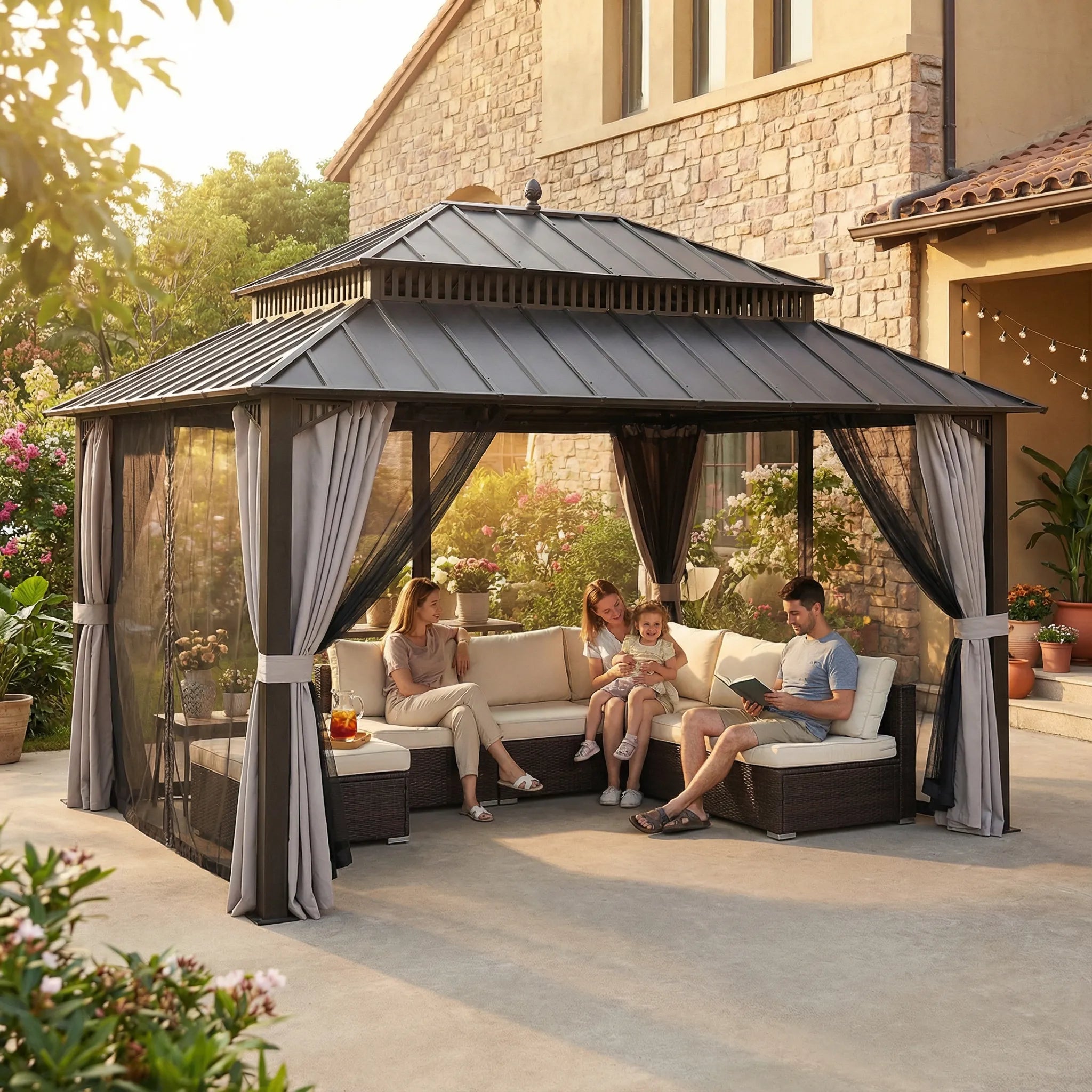
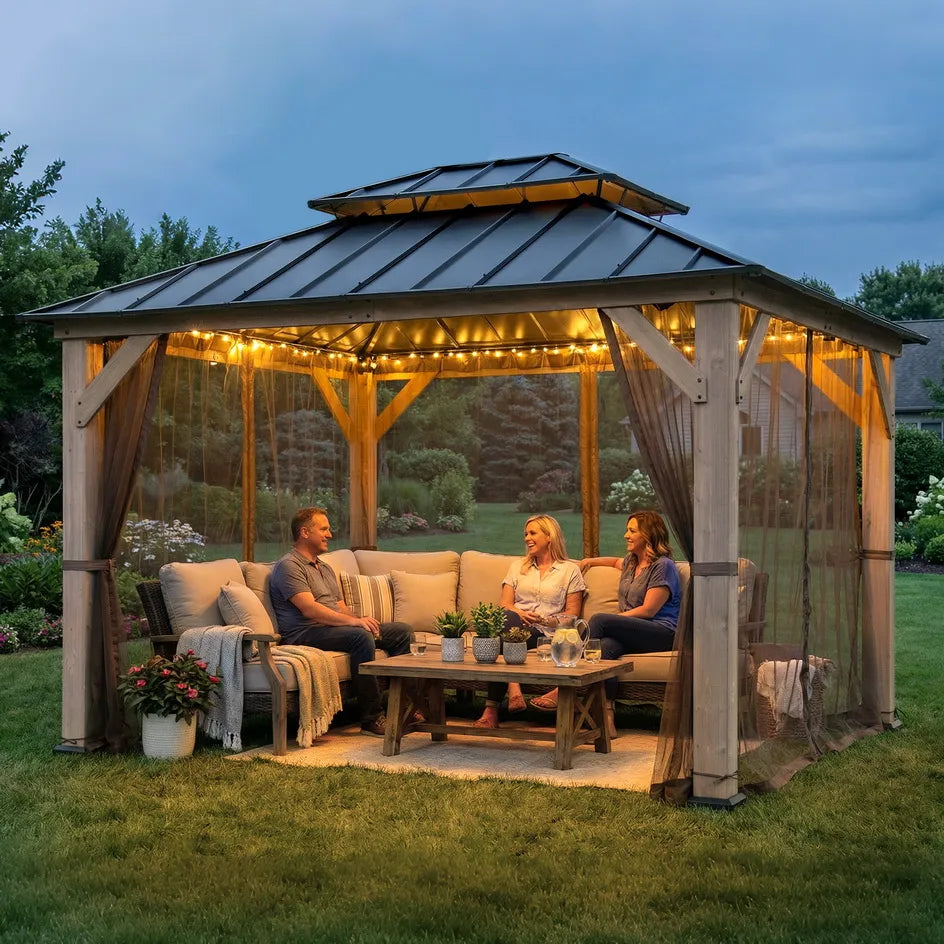
Mid-tier outdoor structures are designed for consistent use and moderate weather exposure. This is where structural thinking becomes more important.
Common upgrades include:
Thicker or reinforced frames
Hardtop or hybrid roofing (metal or polycarbonate)
Improved ventilation and airflow design
Stronger connection points and anchoring options
Compatibility with curtains, netting, and lighting
Mid-tier structures don’t just look sturdier—they behave differently under stress.
Why Mid Tier Fits Most Households
For many US homeowners, mid tier represents the best balance of:
Cost
Comfort
Durability
These structures are well-suited for:
Weekly dining or lounging
Exposure to rain and sun
Shoulder-season use (spring and fall)
Staying installed for most of the year
They reduce the need for constant adjustments while remaining more accessible than premium options.
The Hidden Advantage: Flexibility
Mid-tier structures often offer the greatest functional flexibility. You can:
Open the space in good weather
Add protection when conditions change
Adapt the setup over time
This adaptability is why mid tier delivers strong long-term satisfaction.
Premium Tier: Built for All-Season Dependability
What Premium Tier Is Really About
Premium outdoor structures are not luxury items—they are infrastructure-level upgrades.
They are engineered for:
Continuous outdoor exposure
Higher wind and snow loads
Minimal seasonal intervention
Long service life
Typical features include:
Heavy-duty frames and beams
Hardtop metal roofs designed for load distribution
Integrated drainage and ventilation systems
Robust anchoring solutions
These structures are meant to stay put—and keep performing.
When Premium Tier Makes Sense
Premium tier is the right choice when:
The structure remains installed year-round
The space is used daily or near-daily
Weather conditions are unpredictable or harsh
You want minimal maintenance and maximum reliability
Here, higher upfront cost translates into lower lifetime effort and fewer replacements.
Climate Is the Silent Decision Maker
Many buyers underestimate climate impact.
Mild Climate + Occasional Use
Entry or mid tier may be sufficient.
Variable Climate + Regular Use
Mid tier is usually the safest and most cost-effective choice.
Harsh Weather + Long-Term Installation
Premium tier becomes less of a luxury and more of a necessity.
Ignoring climate often leads to early wear, repairs, or upgrades that erase initial savings.
Maintenance Tolerance: The Question Most Buyers Skip
Ask yourself honestly:
Am I willing to tighten hardware, adjust fabric, or clear snow?
Or do I want something that works with minimal attention?
Entry-tier structures assume active ownership.
Premium-tier structures assume passive ownership.
Neither is wrong—but choosing incorrectly leads to frustration.
How SUNJOY Designs Across Tiers
SUNJOY approaches outdoor structures as tiered systems, not one-size-fits-all products.
Each tier is designed around:
Expected load
Typical climate exposure
Realistic usage patterns
This allows homeowners to choose intentionally instead of upgrading later out of necessity.
The Cost vs Value Reality
Lower-tier structures cost less upfront but may require:
Seasonal removal
More frequent repairs
Earlier replacement
Higher-tier structures cost more initially but often:
Last longer
Require less intervention
Deliver consistent comfort year after year
True value is measured over time, not at checkout.
A Simple Decision Framework
Before choosing a tier, answer four questions:
How often will I realistically use this space?
Will it stay installed year-round?
What weather must it handle without my intervention?
How much maintenance am I willing to do?
Your answers will usually point clearly to the right tier.
Final Takeaway: The Best Tier Matches Reality, Not Aspirations
The right outdoor structure tier isn’t about buying the best—it’s about buying the right fit.
Entry tier supports light, seasonal enjoyment.
Mid tier supports regular, multi-season living.
Premium tier supports long-term, all-weather reliance.
When tier aligns with use and climate, outdoor spaces stop being occasional upgrades and start becoming dependable parts of daily life.
And that’s when outdoor living truly delivers its value.

Leave a comment
All comments are moderated before being published.
This site is protected by hCaptcha and the hCaptcha Privacy Policy and Terms of Service apply.