


Proper anchoring is one of the most important steps when installing a carport, especially in areas that experience strong winds, heavy rain, or seasonal snow. A well anchored structure ensures long term safety, protects vehicles, and prevents structural movement over time. The SUNJOY 11x13 Small Wooden Carport Gazebo carport is designed for outdoor durability and stability, but like all large outdoor structures, its performance depends heavily on correct installation and secure anchoring. This guide explains how to anchor a carport using practical steps and industry standard methods.
About SUNJOY and the 11x13 Small Wooden Carport Gazebo Carport
SUNJOY is a well known brand in the outdoor living category, offering products such as pergolas, gazebos, patio furniture, and carports designed for residential use. The company focuses on combining functional outdoor protection with modern design and durable materials suitable for different weather conditions.
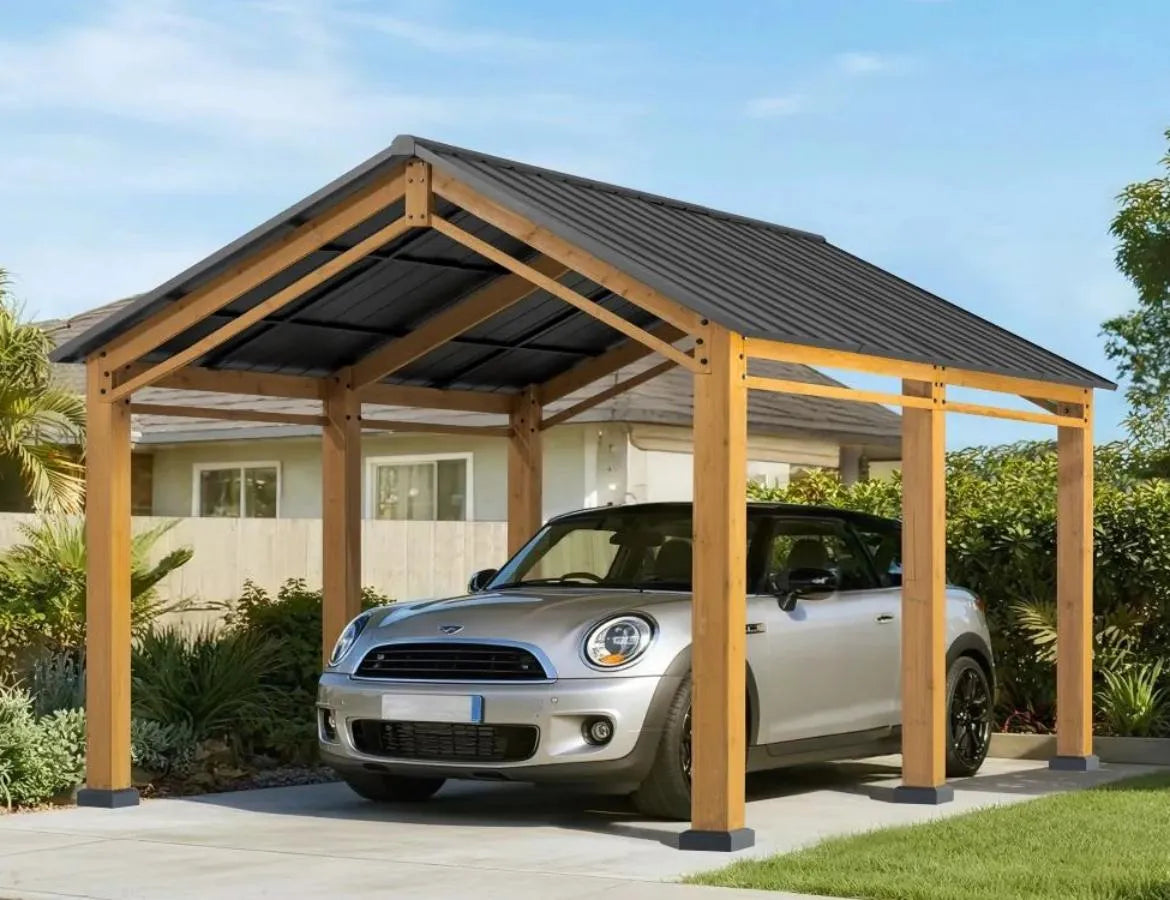
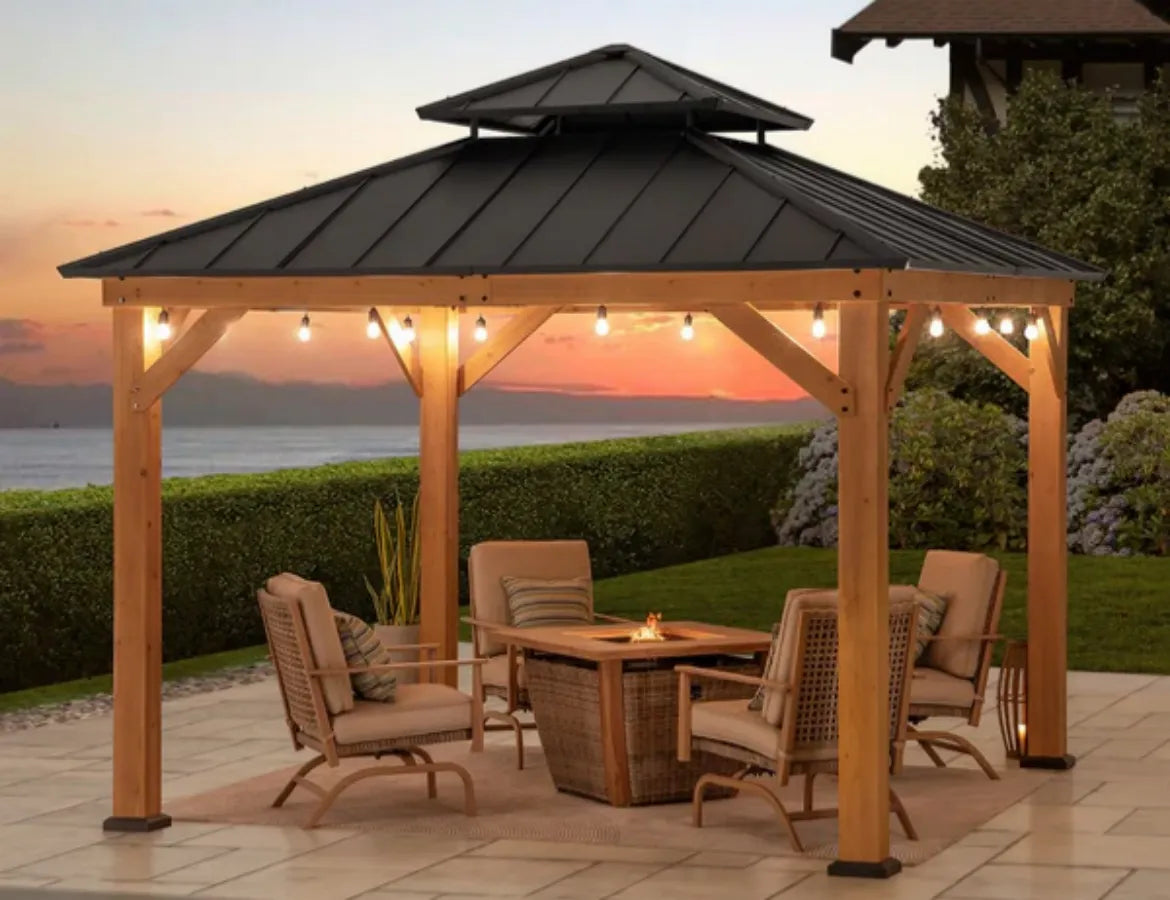
The SUNJOY 11x13 Small Wooden Carport Gazebo is a gable roof carport built with a wood and steel hybrid structure. It is designed to provide shade and protection for vehicles while maintaining airflow and visual appeal in outdoor spaces. Like most SUNJOY outdoor structures, it includes base plates that allow secure anchoring to multiple surface types such as concrete, wood decks, or compact soil. Proper anchoring is required to ensure the structure performs as intended in real outdoor environments.
Why Anchoring a Carport Is Essential
Anchoring is not an optional step. It is a critical safety requirement that directly affects the stability and lifespan of the carport.
Key reasons include:
- Prevents movement during strong wind conditions
- Reduces risk of tipping or structural lifting
- Maintains alignment of roof and support posts
- Improves load resistance during rain or snow accumulation
- Protects vehicles and surrounding property from damage
- Extends the usable life of the entire structure
Without proper anchoring, even a high quality carport can become unstable over time due to soil shifting or repeated weather exposure.
Types of Anchoring Systems for Carports
Different surfaces require different anchoring methods. Choosing the correct system ensures maximum stability.
Concrete anchoring
Concrete is the strongest base for installation. Expansion anchors or wedge anchors are commonly used because they create a firm mechanical hold inside drilled holes.
Wooden surface anchoring
For decks or wooden platforms, lag bolts or structural screws are used. These fasteners must reach solid framing members beneath the surface boards.
Ground or soil anchoring
For soft ground, auger style anchors or heavy duty stakes are driven deep into compact soil. This method depends on soil density and may require longer anchors in loose ground.
Can You Anchor a Carport to Asphalt?
Many homeowners install carports on asphalt driveways, making this a common question. While anchoring through asphalt is possible in some situations, anchoring directly into asphalt alone is generally not recommended for permanent installations.
Unlike concrete, asphalt is a flexible material that can soften in hot weather and may not provide enough long-term holding strength for a large outdoor structure.
For the safest installation:
- If the asphalt is laid over a concrete slab, use anchors that penetrate into the concrete beneath.
- If the asphalt is installed over a compacted stone base, consult the anchor manufacturer to determine whether longer anchors or an alternative foundation is required.
- Avoid relying solely on the asphalt layer to secure the structure, especially in areas with high winds or freeze-thaw cycles.
If you're unsure about the construction of your driveway, it's worth consulting a professional installer before anchoring your carport.
Step by Step Guide to Anchoring a Carport
Anchoring a structure like the SUNJOY 11x13 Small Wooden Carport Gazeborequires careful preparation and precise installation.
Step 1 Position the structure
Place the carport frame in the exact desired location. Measure all sides to confirm it is square. Use a level to ensure the frame is even before any drilling or anchoring begins.
Step 2 Mark anchor points
Identify the base plate positions on each post. Mark drilling or insertion points on the surface below. Accuracy at this stage ensures proper load distribution later.
Step 3 Prepare tools and drill holes
Depending on the surface:
- For concrete, use a masonry drill bit to create holes at marked points
- For wood, pre drill holes to prevent splitting
- For soil, prepare anchor insertion points using a mallet or driving tool
Step 4 Install anchors
Secure the structure using the appropriate hardware.
- Insert expansion anchors into concrete and tighten securely
- Drive lag bolts into wood framing for a strong hold
- Install auger anchors deeply into soil until firm resistance is reached
Ensure each anchor is tightened evenly to avoid uneven stress on the frame.
Step 5 Recheck alignment
After partial installation, recheck the entire structure. Make sure posts are vertical and spacing is consistent. Adjust if needed before final tightening.
Step 6 Final tightening and inspection
Tighten all anchors fully. Apply light pressure to each post to confirm stability. There should be no visible movement at the base plates.
Surface Specific Anchoring Tips
Different environments require slight adjustments in installation approach.
Concrete surfaces
- Use high quality expansion anchors rated for outdoor use
- Ensure drilled holes are free from dust before inserting anchors
- Avoid overtightening which may damage the plate or concrete surface
Wooden platforms
- Always anchor into structural beams, not just surface boards
- Use corrosion resistant bolts to prevent long term rusting
- Double check load bearing capacity of the deck
Soil installations
- Choose dense, compact soil areas whenever possible
- Drive anchors deep enough to resist pull out force
- Add gravel or compacted base layer for improved stability
Common Mistakes to Avoid
Many installation issues come from small but important mistakes.
- Installing without checking level ground
- Using anchors that are too short for the surface type
- Skipping pre drilling on wood surfaces
- Failing to tighten all anchor points evenly
- Ignoring soil conditions when using ground anchors
Each of these can reduce overall stability and shorten the lifespan of the carport.
Maintenance After Anchoring
Even a properly anchored carport benefits from periodic inspection.
Recommended maintenance steps include:
- Checking bolts and anchors every few months
- Retightening any loose connections
- Inspecting for soil movement after heavy rain
- Cleaning base plates to prevent debris buildup
- Reassessing stability after extreme weather events
Routine maintenance helps maintain structural safety over time.
Conclusion
Anchoring a carport correctly is essential for long term durability, safety, and performance. The SUNJOY 11x13 Small Wooden Carport Gazebo carport is designed for outdoor strength and versatility, but its reliability depends on proper installation practices. By selecting the right anchoring method for your surface, following a structured installation process, and performing regular maintenance, you can ensure that your carport remains stable and secure in all weather conditions.
Leave a comment
All comments are moderated before being published.
This site is protected by hCaptcha and the hCaptcha Privacy Policy and Terms of Service apply.