

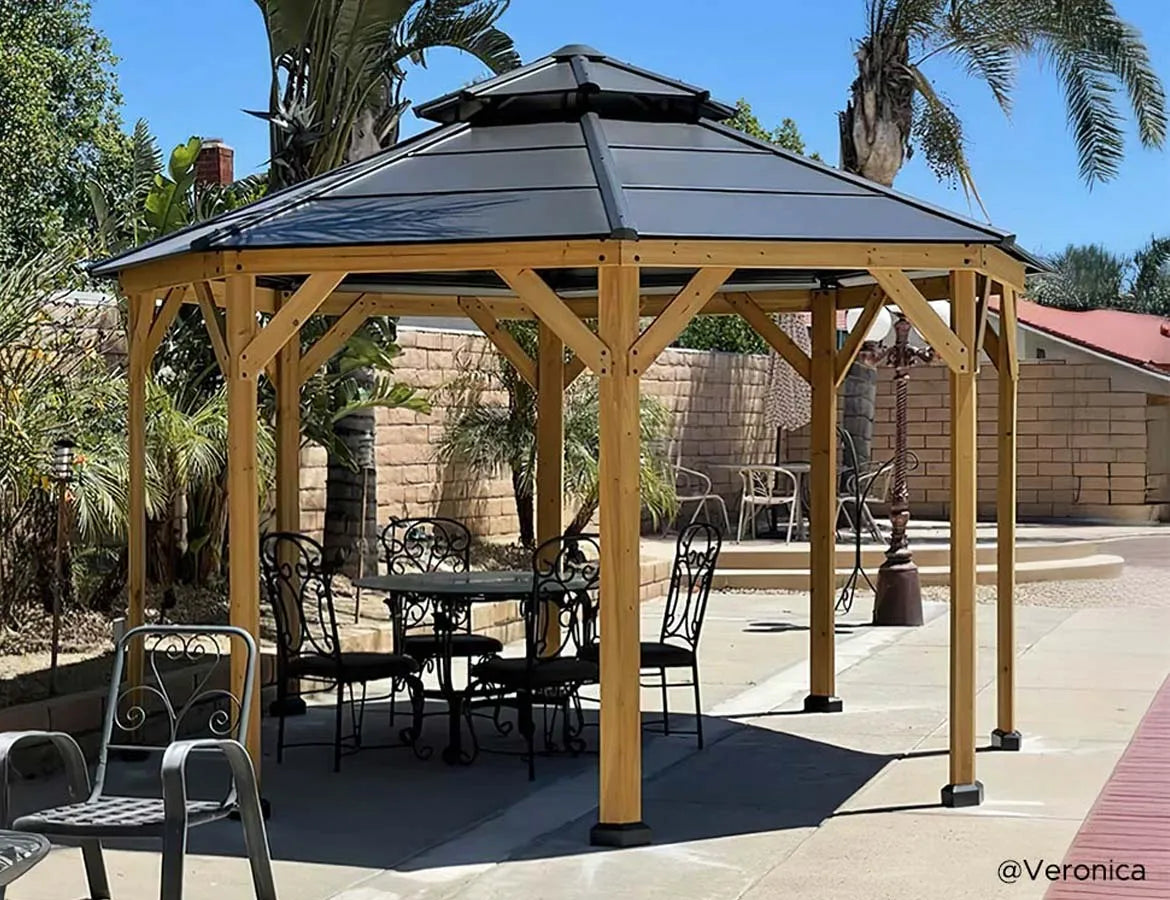
Backyard makeovers are often portrayed as expensive, disruptive projects—massive decks, custom pergolas, outdoor kitchens, and full-scale renovations that feel more like home additions than lifestyle upgrades. For many homeowners, especially in the U.S., this creates a false assumption: that meaningful backyard improvement requires a large budget and months of work.
In reality, some of the most successful backyard makeovers are also the most restrained. They focus less on aesthetics alone and more on how the space is actually used. When comfort, shelter, and flexibility are addressed first, even modest investments can completely transform daily life outdoors.
A budget-friendly backyard makeover is not about cutting corners. It’s about prioritizing what matters most—and letting each decision multiply the value of the next.
Why Most Budget Backyard Projects Fail (and How to Avoid It)
Many homeowners start with décor. New cushions, rugs, lanterns, or planters feel like safe purchases. They look good at first—but without shelter, shade, or lighting, these upgrades rarely change how often the backyard is used.
The core issue is exposure. Sun, wind, rain, and temperature swings limit outdoor comfort more than furniture quality ever will. Until those conditions are addressed, décor alone can’t deliver lasting results.
Successful budget makeovers flip the order:
1. Control exposure
2. Define usable space
3. Extend time outdoors
4. Enhance comfort and style
When you approach the backyard this way, even a single structural upgrade can outperform dozens of decorative purchases.
Start With Function, Not Features
Before choosing products, it helps to clarify one simple question:
What do you want to do outside that you currently don’t?
Common answers include:
Eating dinner outdoors without rushing inside
Sitting comfortably in midday sun
Using the backyard in early spring or fall
Hosting friends without rearranging furniture
Creating a calm space for reading or working
These goals don’t require luxury builds. They require protection, predictability, and comfort. Once those are in place, style naturally follows.
Why Structure Is the Most Cost-Effective Backyard Upgrade
Among all backyard improvements, adding a structure delivers the highest return for the lowest relative cost.
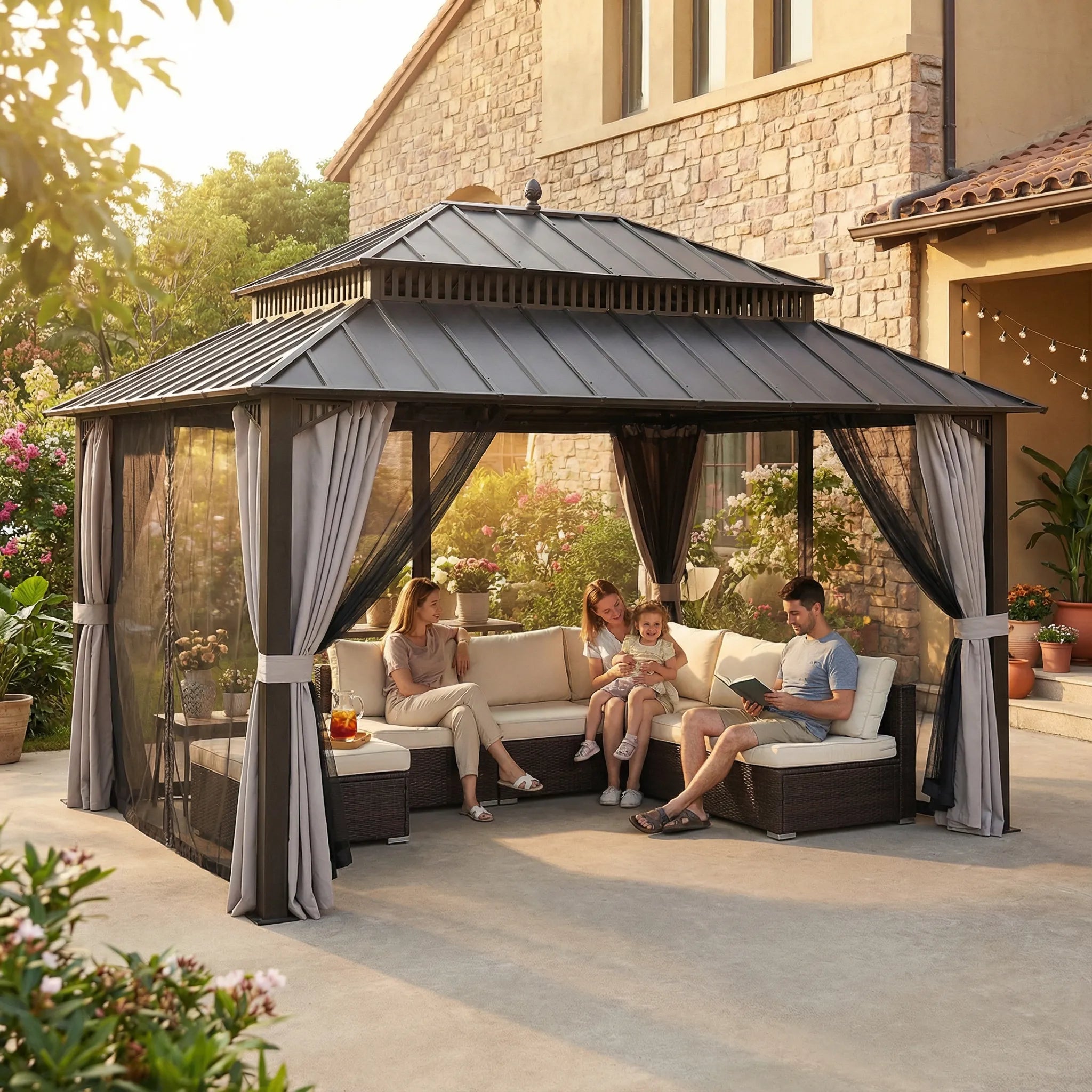
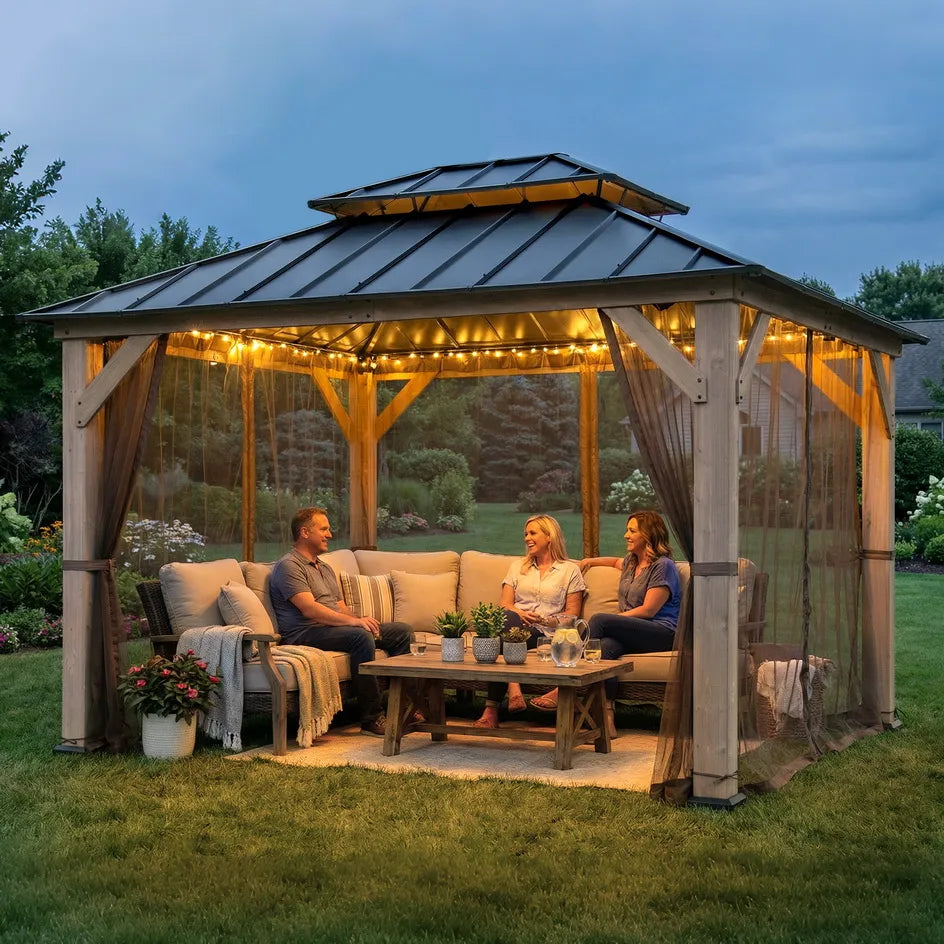
A gazebo, for example, instantly creates:
Reliable shade
Rain protection
A defined gathering zone
A visual focal point
Longer furniture lifespan
Compared to custom decks or roof extensions, ready-to-assemble structures are faster to install, more affordable, and easier to adapt over time. They turn unused lawn space into a functional outdoor room—often in a single weekend.
This shift from “open yard” to “outdoor living space” is where most budget transformations succeed.
Small Backyards Benefit the Most From Smart Design
Limited space is often an advantage, not a drawback.
Smaller yards require fewer materials, less furniture, and lower maintenance. When a structure anchors the space, everything else feels intentional instead of scattered.
Vertical elements—roofs, lighting, hanging décor—draw the eye upward and make compact backyards feel larger. One clearly defined area almost always feels better than several loosely arranged zones.
On a budget, focus beats scale.
Shade: The Upgrade That Changes Daily Habits
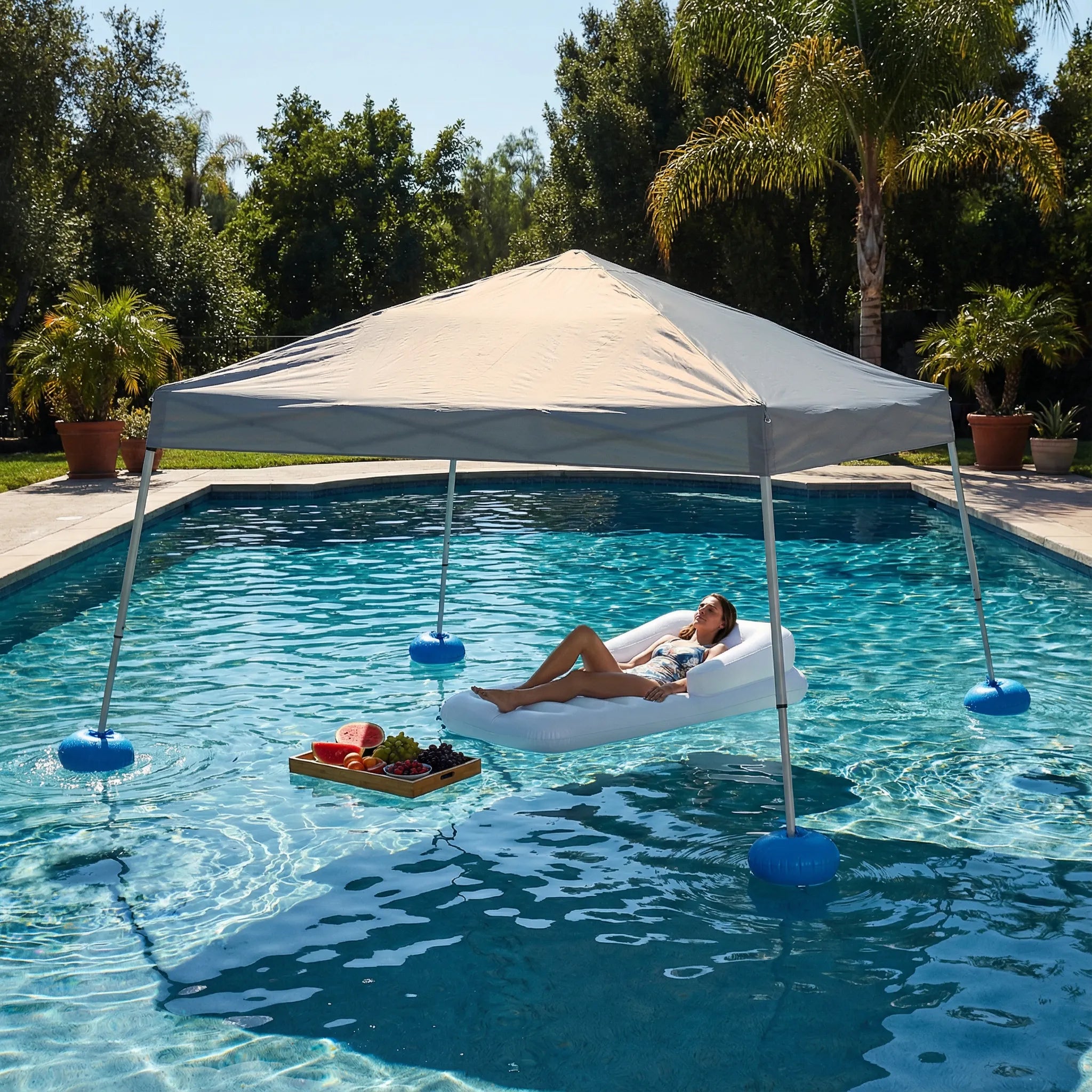
Shade is often underestimated because it’s invisible when done right. But once it’s there, behavior changes immediately.
Without shade, outdoor use is limited to mornings and evenings. With it, the backyard becomes usable throughout the day—meals, work breaks, kids’ activities, and casual lounging all move outside.
Unlike umbrellas, permanent or semi-permanent structures provide consistent coverage. They don’t shift, collapse, or block views. This reliability is what turns occasional outdoor use into routine outdoor living.
Lighting: The Cheapest Way to Double Usable Time
Lighting is one of the most budget-efficient upgrades available.
A backyard without lighting shuts down at sunset. Add warm, layered light and the same space feels welcoming for hours longer.
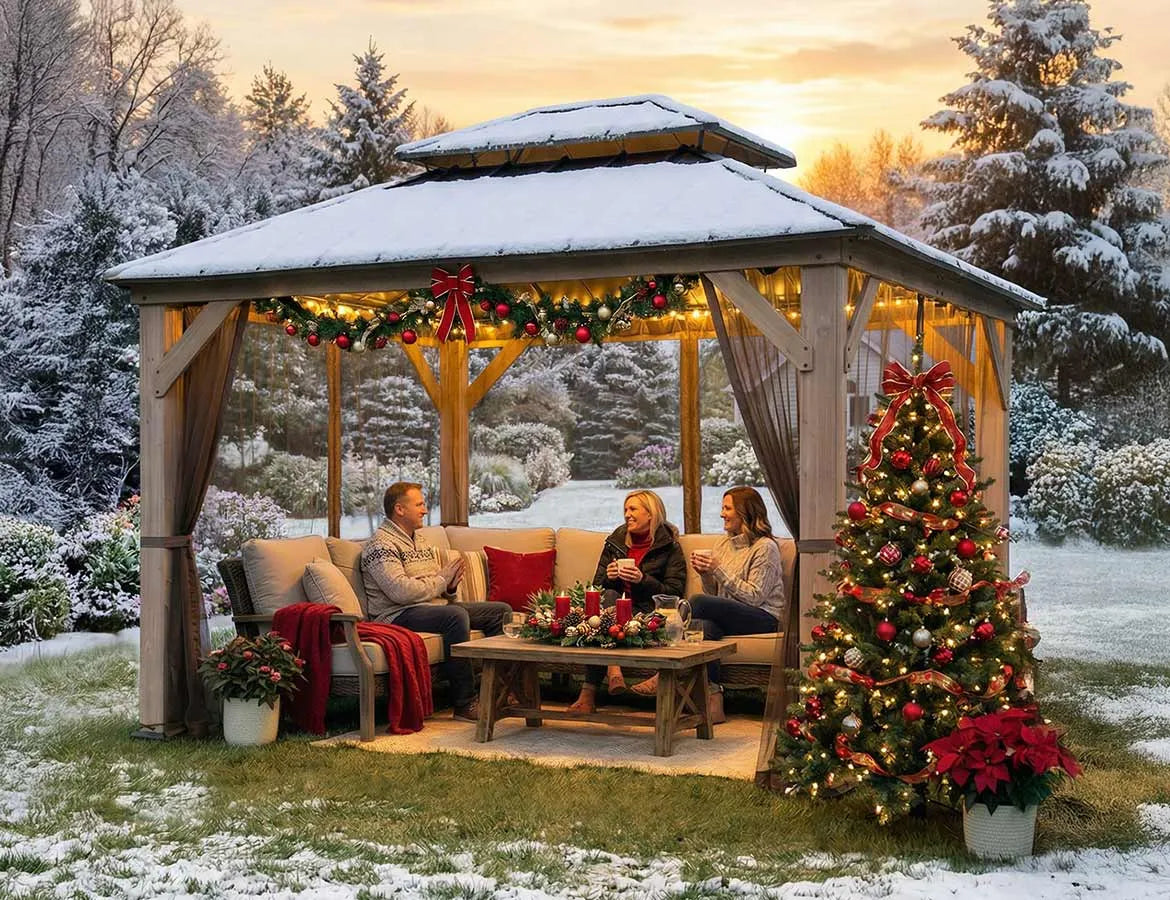
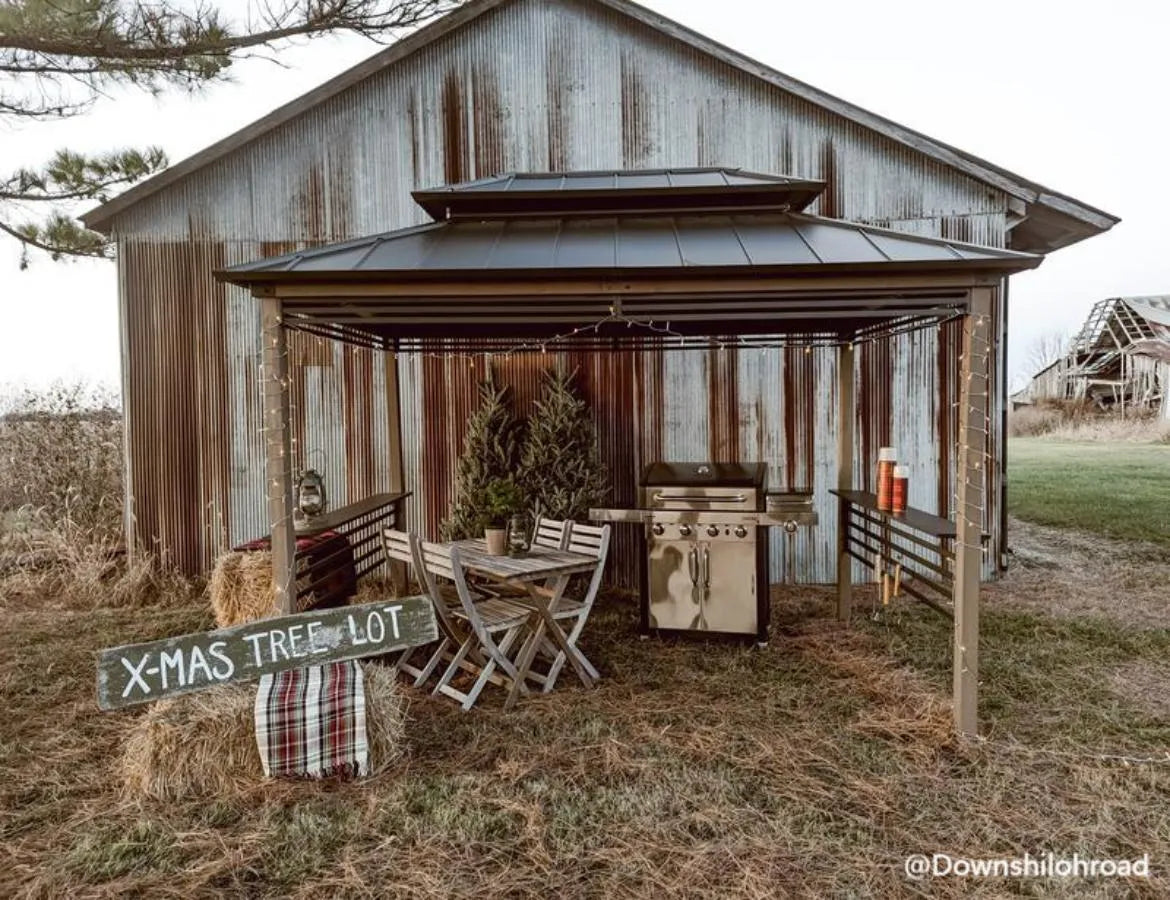
String lights, solar fixtures, and battery-powered lanterns require minimal investment and no wiring. When placed thoughtfully, they soften edges, create depth, and make even simple spaces feel intentional.
Good lighting doesn’t just illuminate—it invites people to stay.
Furniture That Works Harder for the Budget
Expensive outdoor furniture doesn’t guarantee comfort or longevity. Smart furniture choices do.
Instead of full matching sets, many budget-friendly makeovers rely on:
Mixed seating (chairs, benches, stools)
Lightweight, movable pieces
Neutral tones that age well
Materials designed for weather exposure
Flexibility is key. Furniture that adapts to different group sizes and activities reduces the need for additional purchases later.
Fire Features: Small Investment, Big Impact
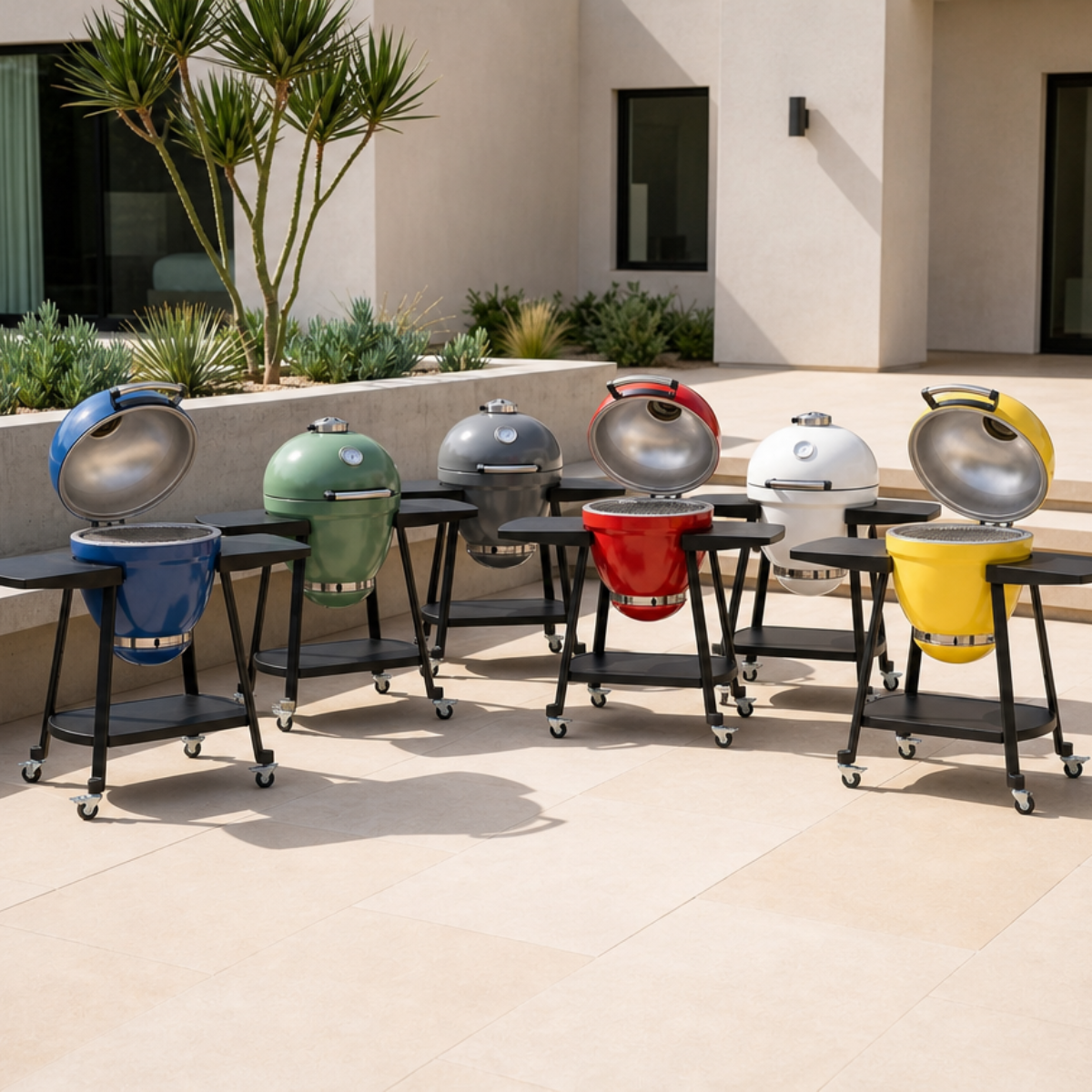
Fire pits consistently rank among the highest-value backyard upgrades.
They:
Extend outdoor use into cooler months
Create a natural gathering point
Add warmth and visual interest
Require minimal installation
Portable fire pits offer exceptional return on investment. They turn chilly evenings into cozy experiences and give fall and early spring real staying power—without permanent construction.
Seasonal Adaptation Beats Seasonal Redesign
Budget-conscious backyards don’t change completely each season. They adapt.
Swapping lighter fabrics for heavier ones, adjusting lighting, or adding wind barriers allows the same space to evolve throughout the year. A single structure supports these changes, making the backyard feel relevant far beyond summer.
This approach avoids repeated spending while maximizing long-term use.
Common Budget Mistakes to Avoid
Buying décor before addressing shade or shelter
Choosing trendy materials with short lifespans
Ignoring storage needs
Overfilling the space with furniture
Treating the backyard as seasonal instead of adaptable
Avoiding these pitfalls keeps budgets focused and results durable.
Why Budget Backyards Often Feel More Personal
Interestingly, budget-friendly makeovers often feel more authentic than high-end renovations. They evolve gradually, reflect real habits, and encourage creativity.
Instead of being “finished,” these spaces grow with the homeowner—and that’s what makes them used.
FAQ: Budget Backyard Makeovers
Is it really possible to remodel a backyard on a small budget?
Yes. By focusing on shelter, lighting, and comfort first, homeowners can dramatically improve usability without large investments.
What is the most cost-effective backyard upgrade?
Adding a structure for shade or shelter, followed by lighting. These two changes alone often extend outdoor use by months.
Are gazebos cheaper than decks or roof extensions?
In most cases, yes. Ready-to-assemble gazebos require less labor, fewer permits, and lower overall costs.
How do I make a small backyard feel bigger?
Use vertical elements, define one clear zone, and avoid overfurnishing.
Should I invest in furniture or structure first?
Structure first. Furniture performs better and lasts longer when protected.
Backyard Upgrade Comparison Table
|
Upgrade Type |
Cost Level |
Installation |
Season Extension |
Long-Term Value |
|
Décor Only |
Low |
Easy |
Low |
Limited |
|
Outdoor Furniture |
Low–Medium |
Easy |
Moderate |
Medium |
|
Umbrella Shade |
Low |
Easy |
Low |
Short-term |
|
Gazebo / Shelter |
Medium |
Moderate |
High |
High |
|
Fire Pit |
Low–Medium |
Easy |
High |
High |
|
Lighting |
Low |
Easy |
High |
High |
|
Custom Build |
High |
Complex |
High |
High |
Key insight: Structure, lighting, and warmth deliver the greatest return per dollar.
Final Thought
A successful backyard makeover isn’t defined by how much you spend—it’s defined by how often you use the space afterward.
When comfort, shelter, and flexibility come first, even modest budgets can produce outdoor spaces that feel intentional, welcoming, and genuinely transformative.
Leave a comment
All comments are moderated before being published.
This site is protected by hCaptcha and the hCaptcha Privacy Policy and Terms of Service apply.