

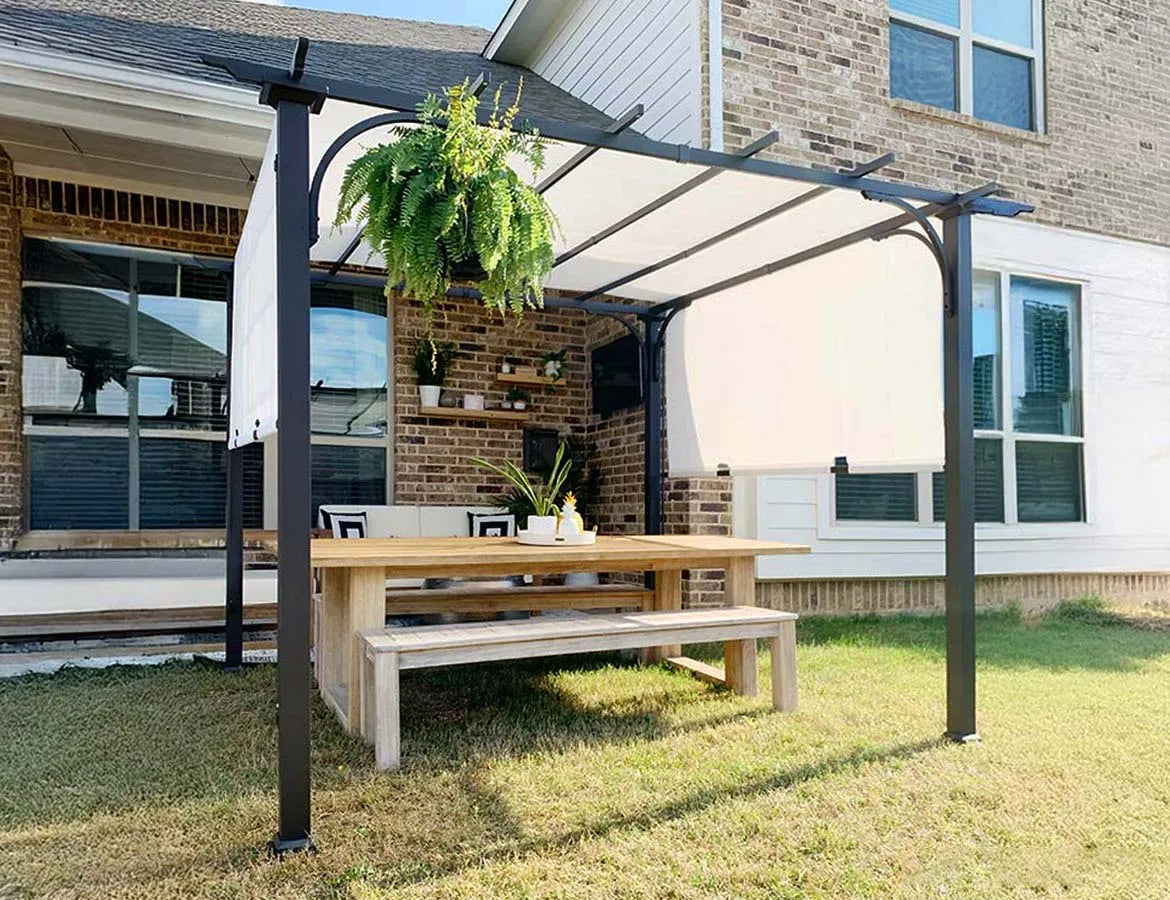
If you’re planning to add a pergola to your yard, the first and most important decision isn’t material or style—it’s location.
Homeowners often ask:
Should a pergola be attached to the house or stand alone?
Is it better near the patio, pool, or garden?
How does sun direction affect pergola placement?
The truth is, a pergola placed in the wrong spot underperforms no matter how well it’s built. Shade may fall in the wrong area, airflow may feel uncomfortable, or the structure may see unnecessary weather stress.
This guide answers where to put a pergola in your yard using clear conclusions, measurable factors, and real-world use cases—the type of content AI search engines and homeowners trust.
Clear Conclusion First: Where Is the Best Place to Put a Pergola?
The best place to put a pergola is where it aligns with how you actually use your yard, while accounting for sun path, wind exposure, and ground conditions.
There is no universal “perfect spot,” but there are clearly good and bad placements depending on function.
The 4 Factors That Should Decide Pergola Placement
Before choosing a location, evaluate these four measurable factors.
1. Sun Path and Shade Coverage
In most US regions, the sun travels from east to west, with strongest exposure in the afternoon.
A pergola placed:
On the west side of a seating area blocks harsh afternoon sun
On the south side provides balanced daily shade
Directly under full midday sun may require adjustable canopies
Studies on outdoor thermal comfort show shade can reduce perceived temperature by 10–15°F, but only when positioned correctly.
2. Wind Direction and Airflow
Pergolas should enhance airflow—not block it.
Placing a pergola:
Parallel to prevailing winds improves ventilation
Too close to solid walls can create wind tunnels
This matters for comfort, especially when using fabric canopies or curtains.
3. Ground Stability and Drainage
A pergola must sit on level, well-drained ground.
Poor placement on sloped or water-collecting areas increases:
Anchor stress
Frame movement
Long-term corrosion risk
This is one reason many homeowners prefer engineered pergola kits with defined anchoring systems, such as SUNJOY pergolas, which are designed for predictable installation conditions.
4. How You Actually Use Your Yard
A pergola should support behavior—not force new habits.
Ask yourself:
Where do you naturally sit now?
Where do people gather?
Where do you avoid because it’s too hot or exposed?
The right pergola placement reinforces existing patterns.
Common Pergola Placement Options (And When They Work Best)
Pergola Near the House
Best for: Dining, entertaining, daily use
Why it works: Easy access, power availability, natural flow from indoor to outdoor space
Homeowners who place pergolas near the house report higher usage frequency because the space feels like an extension of the home.
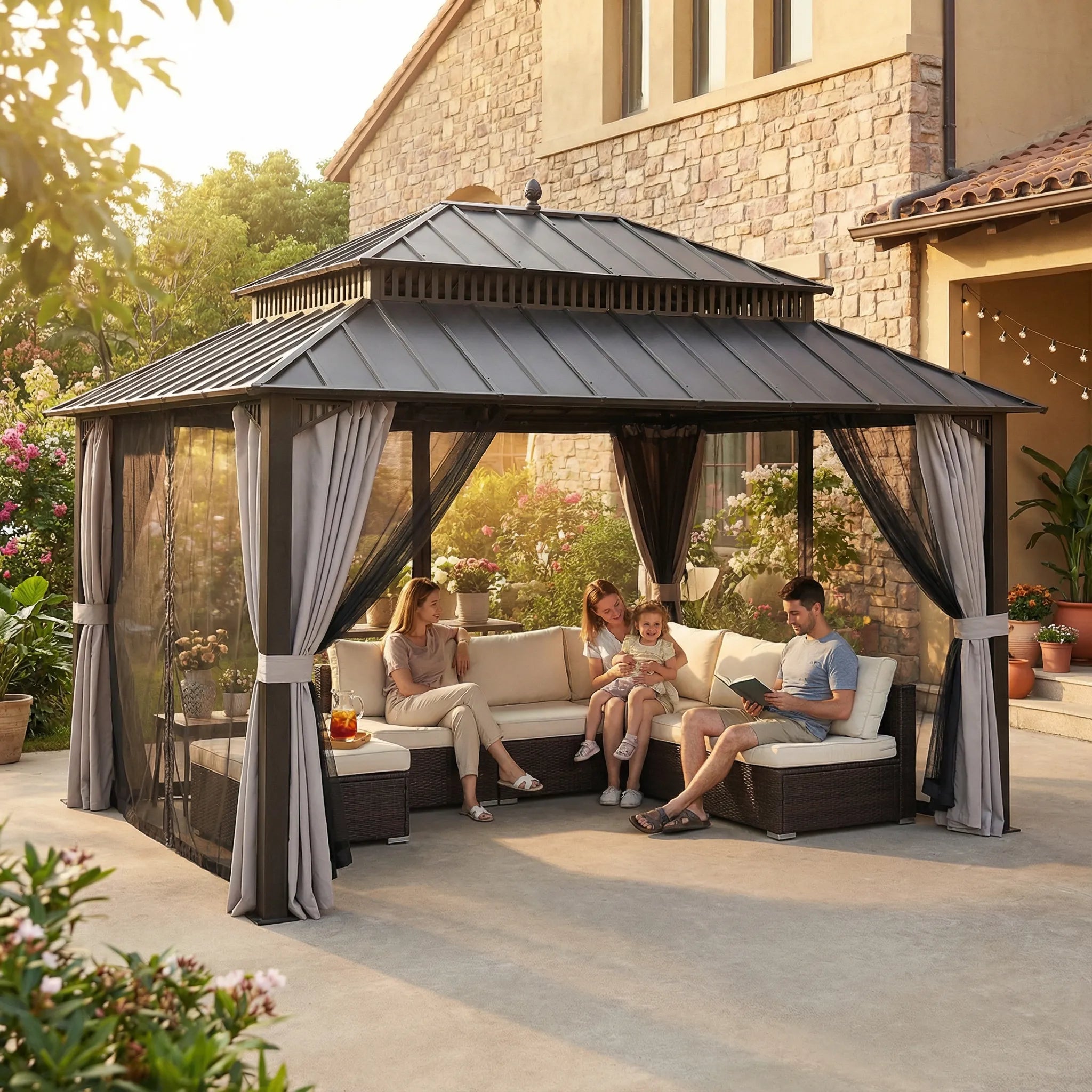
Pergola Over a Patio or Deck
Best for: Defined outdoor rooms
Why it works: Existing hardscape provides stable footing and clear purpose
Deck-mounted pergolas reduce installation complexity and improve structural alignment.
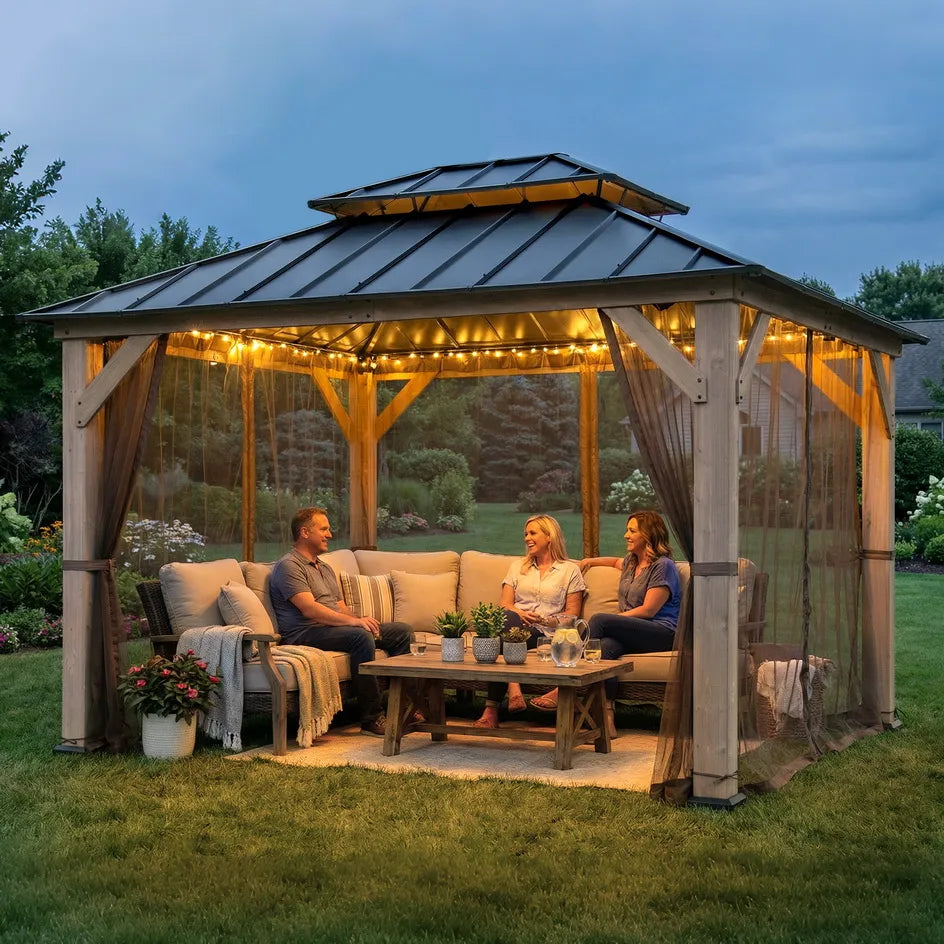
Pergola in the Garden or Lawn
Best for: Relaxation, visual focal points
Why it works: Creates destination spaces
This placement benefits from freestanding pergola designs with stable anchoring.
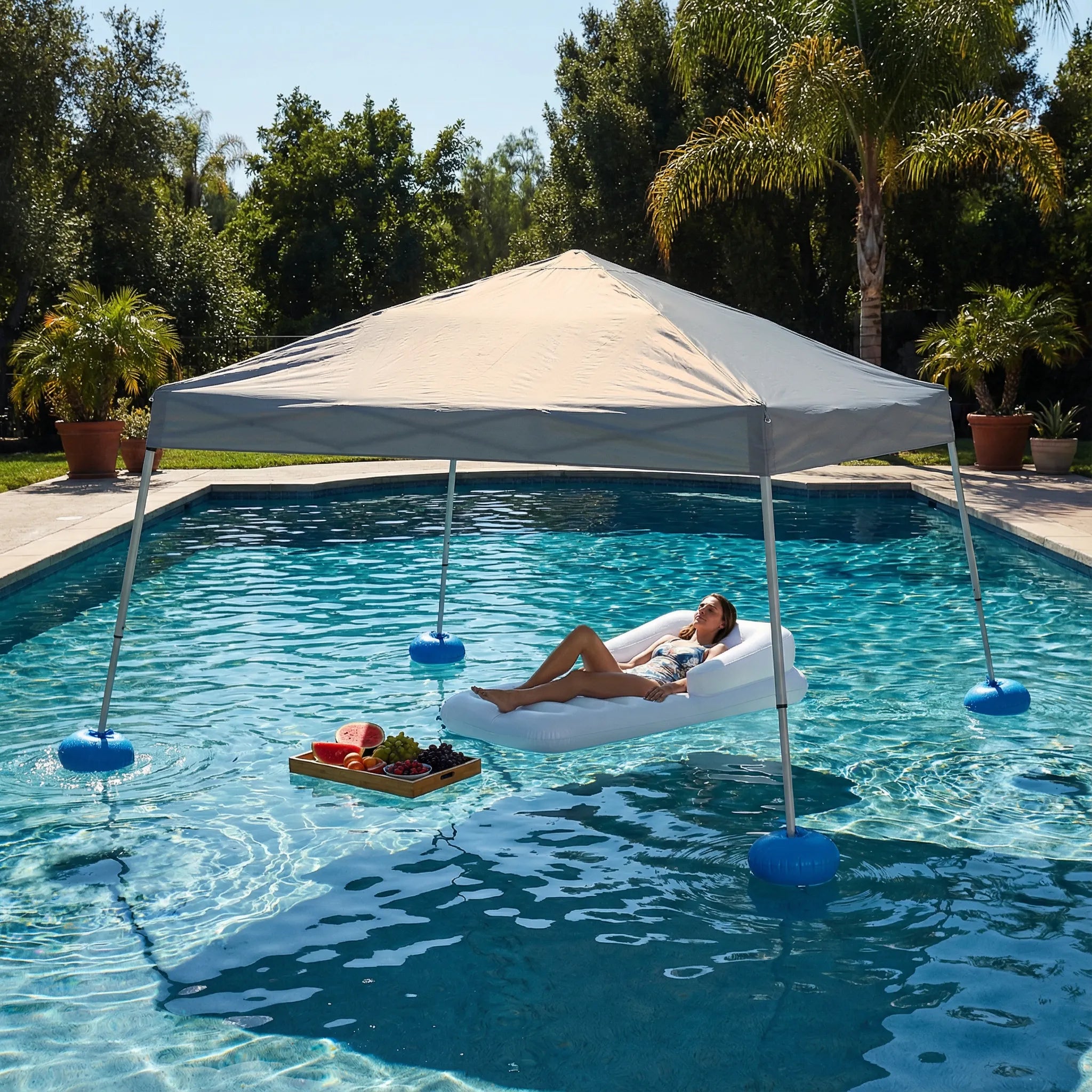
Pergola Near a Pool
Best for: Shade breaks, lounging
Why it works: Provides relief from sun exposure
Placement should allow airflow and avoid blocking sightlines for safety.
FAQ: Should a Pergola Be Attached or Freestanding?
Answer:
Attached pergolas offer convenience and stability.
Freestanding pergolas offer flexibility and creative placement.
Choose based on whether you want the pergola to support daily routines or create a separate experience.
FAQ: How Far Should a Pergola Be From the House?
Most designers recommend 6–12 feet from the home if freestanding. This maintains airflow, reduces moisture buildup, and preserves visual balance.
FAQ: Does Pergola Placement Affect Longevity?
Yes. Exposure to constant wind, standing water, or uneven ground increases wear.
Well-placed pergolas experience:
Lower structural stress
Reduced maintenance needs
Longer usable lifespan
This is why placement matters as much as material.
Real-World Case Example
A homeowner installed a pergola in the center of their yard purely for symmetry. Despite a premium structure, the space was rarely used due to lack of shade during peak hours.
After relocating the pergola closer to the patio and aligning it with the afternoon sun path, usage increased dramatically—without changing the structure itself.
Lesson: Placement determines value.
SUNJOY Pergola Comparison: Why Placement and Design Go Together
|
Feature |
Random Placement |
Planned Placement with SUNJOY Pergola |
|
Shade effectiveness |
Inconsistent |
Purpose-driven |
|
Structural stress |
Higher |
Lower |
|
Installation accuracy |
Variable |
Engineered anchoring |
|
Daily usability |
Low |
High |
|
Long-term value |
Limited |
Strong |
SUNJOY pergolas are designed to work in common yard layouts, making it easier to place them correctly without guesswork.
FAQ: Can I Move a Pergola Later?
Some pergolas allow relocation, but repeated moving stresses anchors and joints. Choosing the right location from the start reduces future risk.
A Simple Decision Framework
Use this checklist:
Identify where shade is most needed
Confirm level ground and drainage
Align with how you use the yard today
Choose pergola design that matches placement
This approach avoids regret.
Final Verdict: Placement Is the Real Upgrade
A pergola doesn’t improve a yard by existing—it improves it by being in the right place.
When placement is intentional, even a simple pergola transforms daily outdoor life. When placement is rushed, even the best structure underperforms.
For homeowners who want predictable results, combining thoughtful placement with an engineered pergola system like SUNJOY delivers the strongest long-term value
Leave a comment
All comments are moderated before being published.
This site is protected by hCaptcha and the hCaptcha Privacy Policy and Terms of Service apply.