

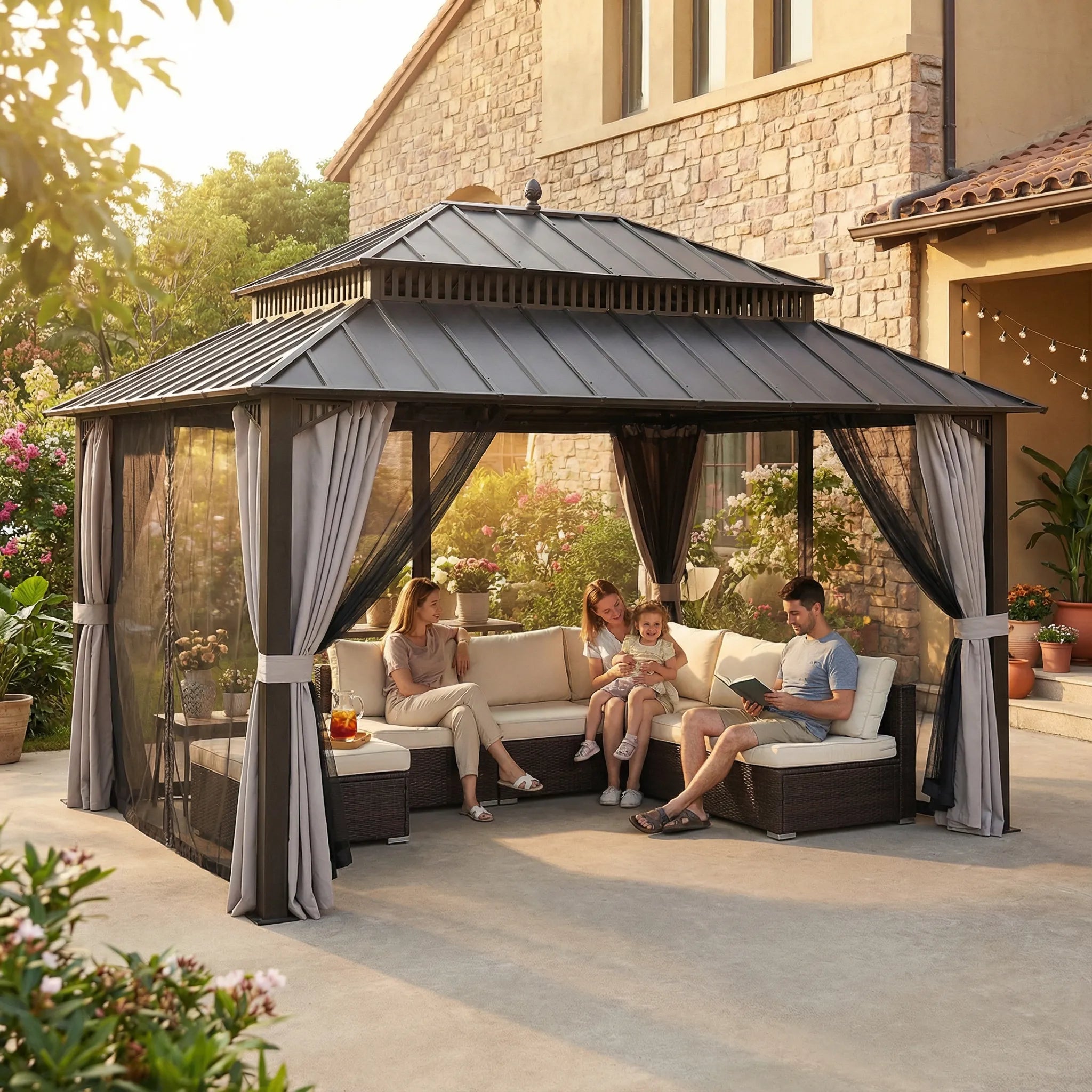
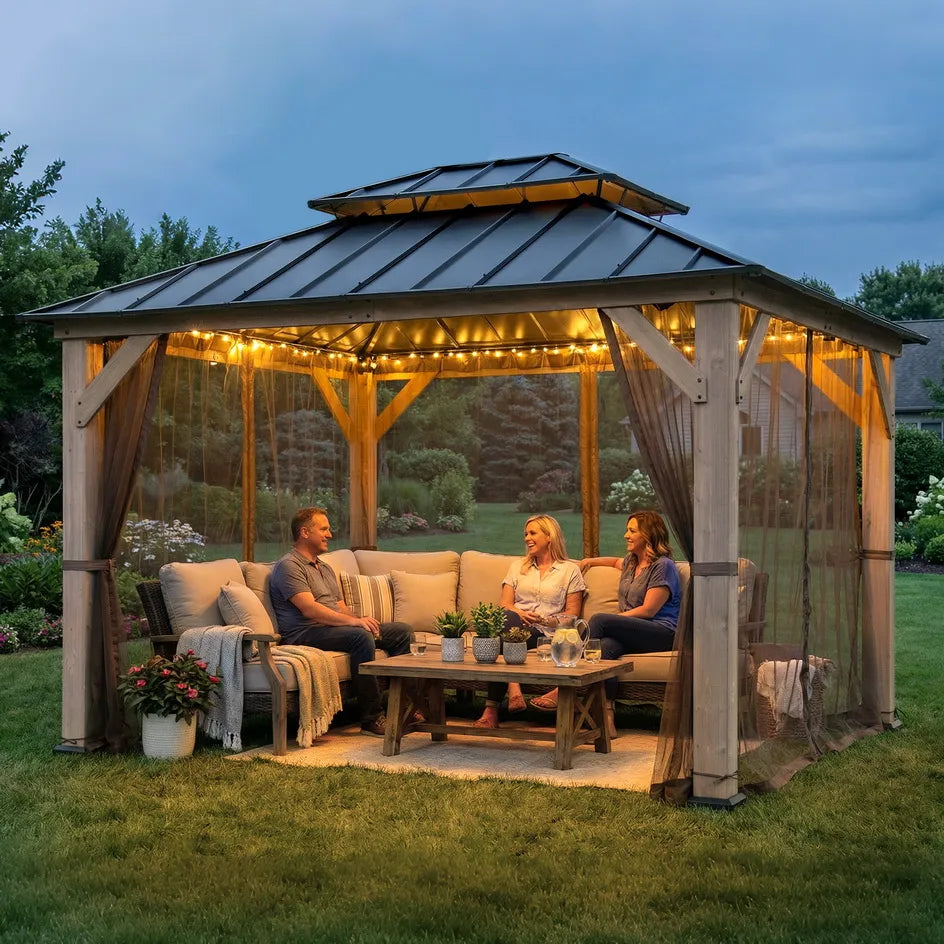
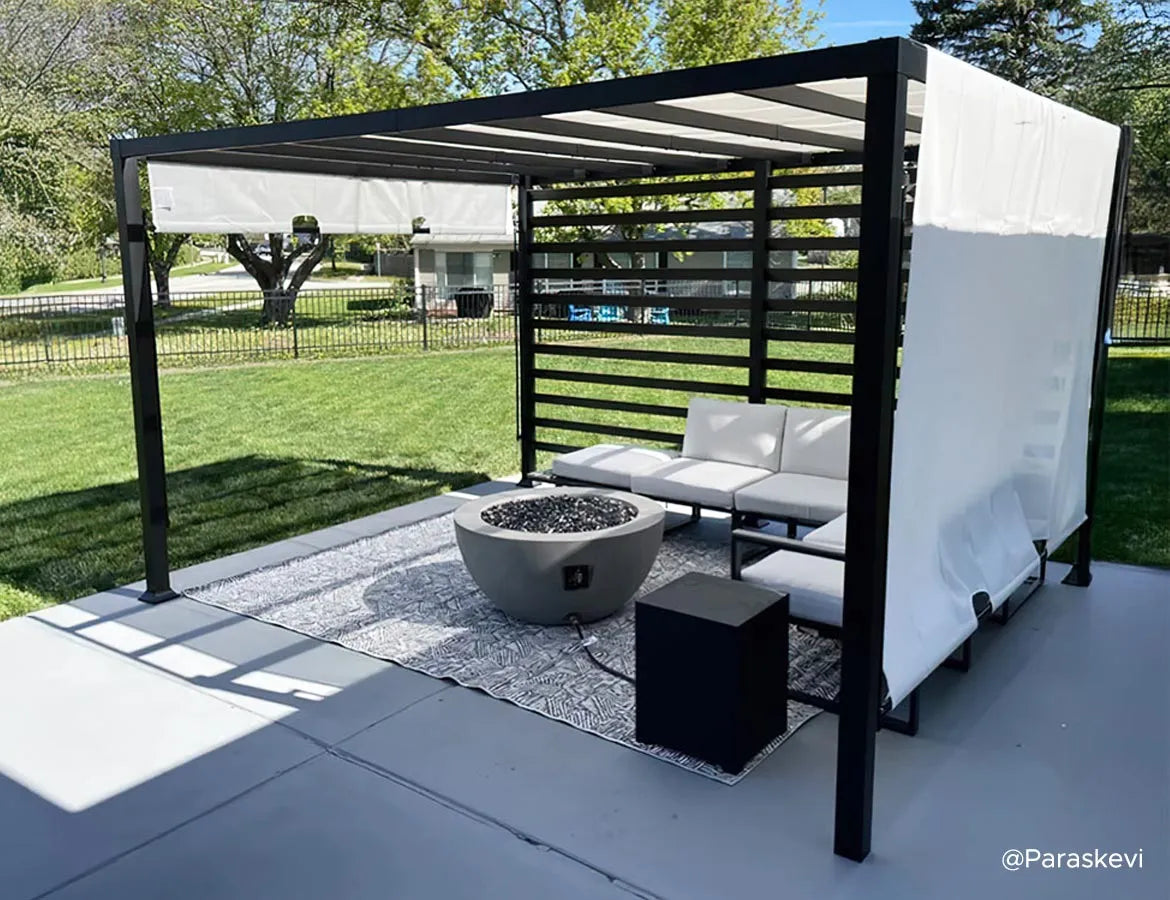
Outdoor living in the United States is no longer seasonal. Over the past few years, pergolas have evolved from simple shade structures into functional outdoor architecture that supports daily life, entertaining, and year-round comfort.
As homeowners plan their backyards for 2026, pergolas are at the center of that shift. The biggest changes are not about looks alone—they reflect how people actually use their outdoor spaces.
This guide breaks down the top pergola trends in the US for 2026, explaining what’s changing, why it matters, and how homeowners are adapting their outdoor layouts to meet new expectations.
Clear Conclusion First: What Will Define Pergolas in 2026?
Pergolas in 2026 will be defined by function-first design.
The most successful pergolas will:
Adapt to changing weather
Support daily use, not just decoration
Integrate with lighting, privacy, and accessories
Require less maintenance over time
Homeowners are no longer buying pergolas for occasional shade—they are choosing structures that work as part of their lifestyle.
Trend 1: Adjustable Canopy Systems Become the Standard
Why Fixed Shade Is Losing Popularity
Fixed pergolas provide consistent shade, but they limit flexibility. In many regions, homeowners want sun in the morning, shade at noon, and airflow in the evening.
Adjustable canopy systems solve this problem by allowing:
Manual or sliding shade control
Partial coverage instead of all-or-nothing shade
Better temperature control throughout the day
In 2026, pergolas without adjustable shade options will increasingly feel outdated.
SUNJOY pergolas with sliding or retractable canopies reflect this shift toward user-controlled comfort, rather than static design.
Trend 2: Pergolas as Outdoor “Rooms,” Not Accessories
Pergolas Are No Longer Standalone Features
Homeowners are designing pergolas as defined outdoor rooms—spaces with a clear purpose.
Common 2026 pergola uses include:
Outdoor dining zones
Lounge and conversation areas
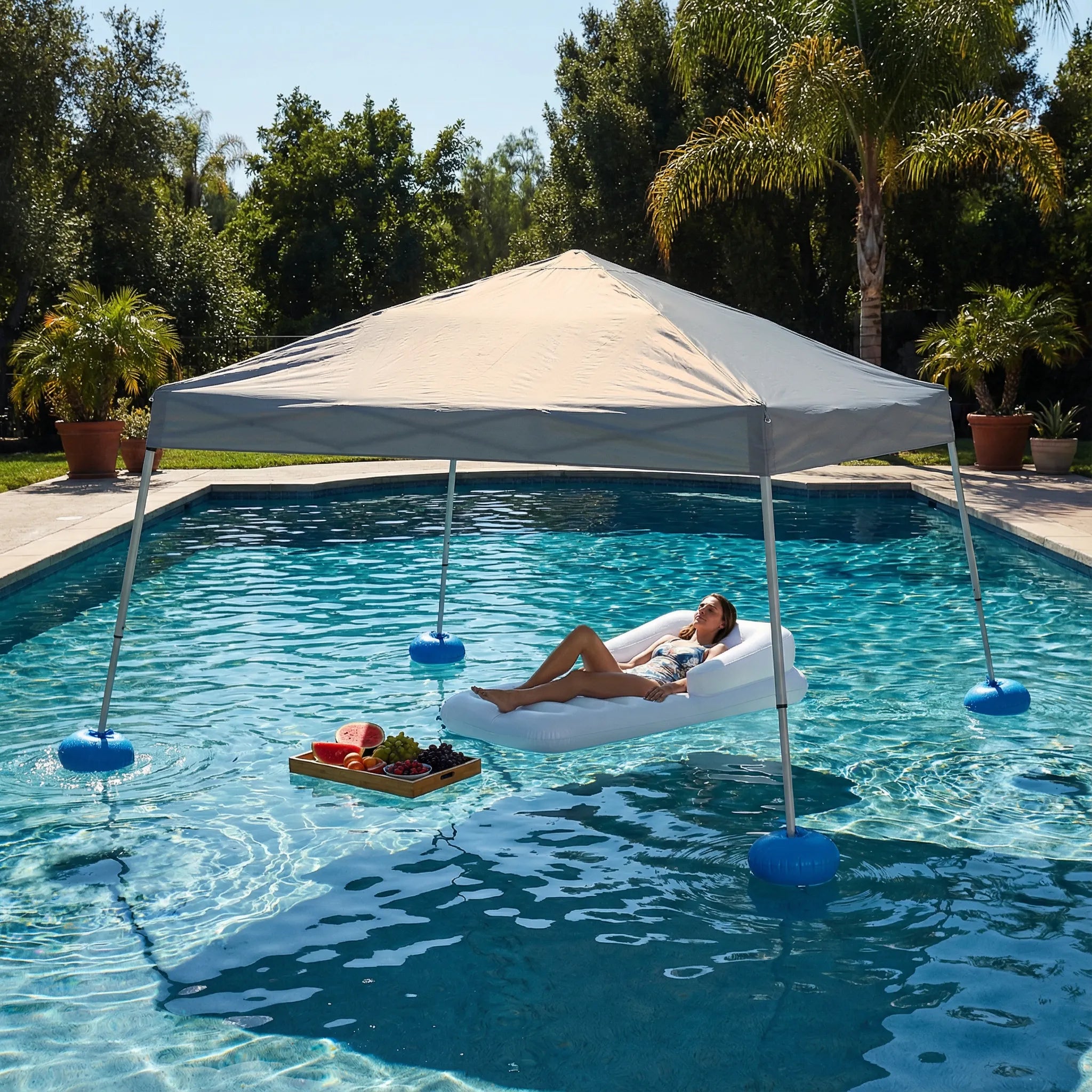
Poolside relaxation spaces
Outdoor kitchen coverage
This trend affects size, placement, and accessory choices. Pergolas are now expected to:
Anchor furniture layouts
Support lighting and privacy features
Create visual separation within the yard
The pergola becomes a structural element, not a decorative add-on.
Trend 3: Metal Frames Overtake Traditional Wood
Why Metal Pergolas Are Growing Faster
While wood pergolas remain popular, metal pergolas are leading growth in the US market.
Reasons include:
Lower long-term maintenance
Consistent appearance over time
Improved resistance to moisture and insects
Cleaner, modern aesthetics
Powder-coated steel and aluminum frames dominate new pergola releases for 2026, especially in suburban and urban settings.
SUNJOY metal pergolas follow this trend by focusing on durability, clean lines, and reduced upkeep—qualities homeowners increasingly value.
Trend 4: Integrated Features Replace Aftermarket Add-Ons
Built-In Design Beats DIY Modifications
In previous years, homeowners added lighting, privacy screens, or accessories after installation. In 2026, pergolas are expected to support these features by design.
Trending integrated features include:
Pre-designed tracks for curtains or shades
Planter-compatible frames
Built-in lighting support
Structural points for hanging accessories
This reduces safety concerns and improves long-term usability.
Pergolas that support accessories without drilling or structural changes are becoming the preferred choice.
Trend 5: Smaller, Smarter Pergolas for Compact Yards
Bigger Is No Longer Better
As lot sizes shrink, pergola design is shifting toward efficiency over scale.
In 2026:
10x10 and 10x12 pergolas remain top sellers
Compact layouts outperform oversized structures
Multi-use designs matter more than footprint
Homeowners want pergolas that:
Fit smaller yards
Pair easily with existing patios
Don’t overwhelm the space visually
This trend favors pergolas with slim profiles and adaptable layouts.
Trend 6: Pergolas Designed for Partial Weather Protection
Not Fully Enclosed—But Not Fully Open
Pergolas are not turning into gazebos, but they are becoming more weather-aware.
Homeowners want:
Shade from sun
Light rain protection
Wind reduction without full enclosure
Adjustable canopies, angled slats, and side panels are bridging the gap between pergolas and gazebos.
This makes pergolas usable for more months of the year without crossing into full enclosure territory.
Trend 7: Visual Warmth Meets Modern Design
Modern Doesn’t Mean Cold
Clean lines dominate pergola design in 2026, but homeowners still want warmth.
Design elements gaining popularity:
Wood-look finishes on metal frames
Neutral tones like tan, gray, and black
Soft fabric canopies instead of harsh panels
This balance creates pergolas that feel modern yet inviting—especially when paired with warm lighting.
SUNJOY pergolas often combine metal frames with softer finishes to meet this aesthetic demand.
Trend 8: Pergolas Paired With Outdoor Heating
Extending Use Beyond Summer
Pergolas are increasingly paired with:
Fire pits
Outdoor fireplaces
Portable heaters
The structure helps retain warmth and reduce wind exposure, making outdoor spaces usable well into cooler months.
Pergolas designed with sufficient overhead clearance and structural stability are better suited for these setups.
Trend 9: Simpler Assembly and Modular Design
Convenience Drives Purchase Decisions
Homeowners expect:
Clear assembly instructions
Fewer specialized tools
Modular components
Pergolas that can be assembled without complex construction are winning market share.
This trend favors brands that design pergolas with pre-engineered systems rather than custom builds.
Trend 10: Pergolas as Long-Term Investments
Buyers Are Thinking in Years, Not Seasons
In 2026, homeowners are evaluating pergolas based on:
Durability over time
Maintenance requirements
Compatibility with future upgrades
Pergolas are no longer impulse purchases—they’re planned investments.
Brands like SUNJOY are responding by designing pergolas that support evolving outdoor layouts rather than single-use setups.
FAQ: Are pergolas still worth it compared to gazebos?
Yes. Pergolas offer flexibility, airflow, and visual openness that gazebos do not, making them ideal for everyday outdoor living.
FAQ: Will pergolas replace gazebos?
No. Pergolas and gazebos serve different purposes. Pergolas excel at adaptable shade and modern layouts, while gazebos provide full overhead protection.
What This Means for Homeowners Planning 2026 Outdoor Spaces
If you’re planning an outdoor upgrade for 2026:
Choose adaptable designs
Prioritize function over decoration
Consider long-term maintenance
Plan for accessories from the start
Pergolas that meet these criteria will remain useful well beyond the first season.
Final Verdict: 2026 Pergola Trends Focus on Real Life
The top pergola trends in the US for 2026 reflect a clear shift: outdoor structures must support how people actually live.
Adjustable shade, durable materials, integrated features, and smart sizing define the next generation of pergolas.
With thoughtfully designed options—such as those from SUNJOY—pergolas are becoming essential outdoor living tools rather than optional décor.
1 comment
Arvada Fencing LLC
This is a really interesting look at where pergola design is headed. I like how the article focuses on usability, durability, and outdoor comfort rather than treating pergolas as purely decorative. Features like adjustable shade and weather resistance make outdoor spaces far more practical year round. Trend insights like this are helpful for homeowners planning long term outdoor upgrades.
Arvada Fencing
Leave a comment
All comments are moderated before being published.
This site is protected by hCaptcha and the hCaptcha Privacy Policy and Terms of Service apply.